Understanding the types of grass in Texas is the first step in choosing the right lawn for your property. In North Texas, that decision goes beyond appearance—clay soils, extreme summer heat, and occasional winter freezes all influence how turf performs. When the wrong grass is installed, the issues show up quickly: thinning by mid-summer, persistent disease pressure, or a lawn that never develops the density homeowners expect.
At Greenform Landscapes, we work with lawns across Dallas, from shaded properties with mature tree canopies to full-sun yards exposed to constant heat and foot traffic. That experience has made one thing clear: not every grass type performs the same here, and choosing the right one starts with understanding your specific property conditions. If you’re still narrowing that down, our guide on choosing the choosing the right grass for your Dallas lawn breaks down how to match turf type to sun exposure, soil, and usage.
This guide covers seven grass types commonly used in Texas, with practical pros and cons based on how each one performs in the Dallas area. Whether you’re replacing a struggling lawn or planning a new installation, this will help you make a more informed decision before committing.
1. Bermuda grass
Bermuda Grass is one of the Most Common Types of Grass in Texas, and for good reason. It thrives in full sun, handles extreme summer heat, and recovers quickly from heavy foot traffic.
When properly maintained, Bermuda produces a dense, fine-bladed canopy that delivers a clean, high-end lawn appearance across Dallas properties.

What it is and how it grows
Unlike many other types of grass Texas homeowners consider, Bermuda grass spreads through both above-ground stolons and underground rhizomes, giving it an aggressive growth habit and strong self-repair capability. It goes dormant in winter, turning brown until soil temperatures return to consistent warmth in spring.
Where it works in Dallas
This grass performs best in full-sun exposures with at least six hours of direct light daily. Properties with open, south-facing lawns or minimal tree canopy are the strongest candidates. Bermuda grass struggles under shade and will thin noticeably in yards where mature tree canopies block afternoon sun.
Pros
- Dense, durable turf that holds up under foot traffic and recovers quickly from wear
- Strong drought tolerance once the root system is established
- Fast lateral spread fills bare patches without replanting
- Available in multiple varieties suited to different soil types and use levels
Cons
- Goes fully dormant and brown during winter months, which affects year-round appearance
- Requires more frequent mowing during peak summer growth
- Spreads aggressively into beds and along hardscape edges without consistent edging
- Performs poorly under any significant shade or canopy cover
Care basics in North Texas heat
Bermuda grass needs consistent fertilization through its active growing season, typically late spring through early fall. In Dallas clay soils, periodic aeration reduces compaction and improves water penetration at the root zone. Avoid irrigation schedules that keep the soil consistently wet overnight, which promotes fungal pressure.
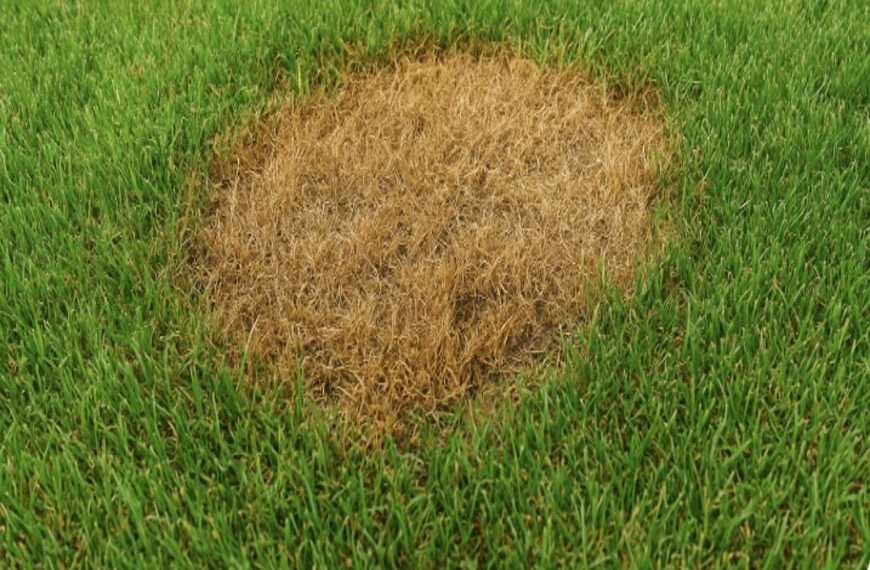
Overwatering Bermudagrass in North Texas clay causes more long-term damage than short-term drought stress; the root system recovers from dry periods faster than from root rot.
Establishment notes for seed, sod, and sprigs
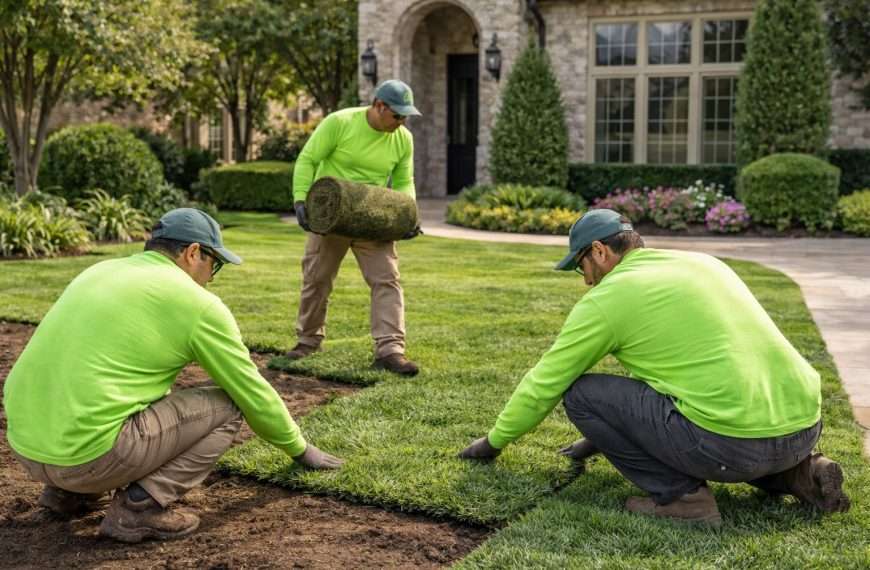
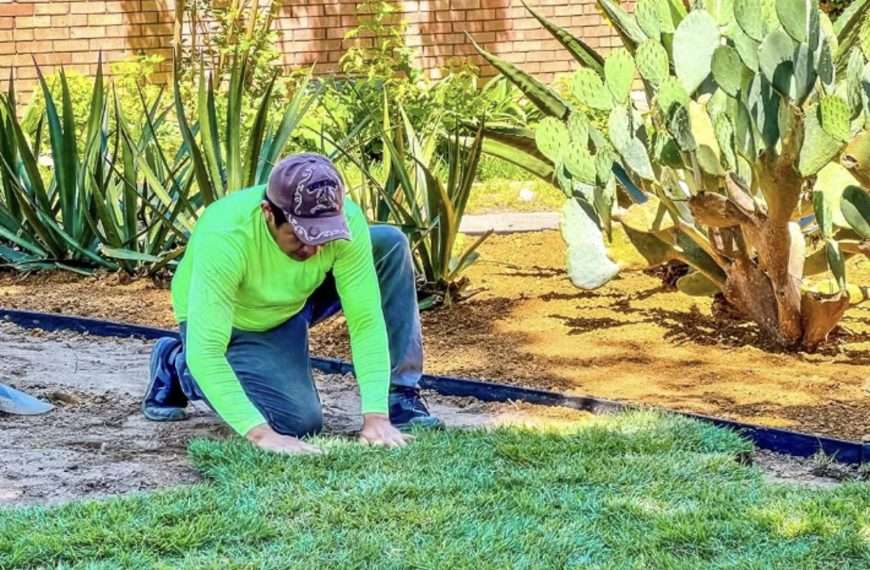
Sod installs fastest and gives you reliable, uniform coverage within a few weeks of proper irrigation. Seed and sprigs cost less but require warmer soil temperatures and more careful moisture management to germinate and spread. For most Dallas properties, sod remains the most predictable path to a consistent, dense stand.
According to Texas A&M AgriLife Extension, Bermuda grass performs best in full sun environments common across North Texas.
2. Zoysia grass
Zoysia grass occupies a middle ground among the types of grass Texas homeowners consider, offering a denser, slower-growing turf with better shade tolerance than Bermuda grass but without the water sensitivity of some alternatives.

What it is and how it grows
Zoysia grass is a warm-season turf that spreads through both stolons and rhizomes, similar to Bermuda grass, but at a noticeably slower rate. Its blades are typically finer and stiffer, producing a dense mat-like canopy that crowds out weeds effectively once the lawn reaches full establishment.
Where it works in Dallas
Zoysia suits properties with mixed sun and partial shade, making it a practical option for lots where Bermuda grass would thin under tree canopy. It handles Dallas summers reasonably well, though it still needs adequate sun exposure to maintain density and consistent color through the hottest months.
Zoysia’s shade tolerance is real but limited; properties with deep or persistent shade will still struggle to maintain a healthy stand without supplemental care.
Pros
- Dense canopy that naturally suppresses weed pressure
- Better shade tolerance than Bermuda grass
- Lower mowing frequency due to its slower growth rate
Cons
- Slow establishment means full density can take two or more growing seasons
- Goes dormant and browns in winter, similar to Bermuda grass
- Less drought-tolerant than Bermuda grass once heat intensifies in July and August
Care basics in clay soil and mixed sun
In North Texas clay, Zoysia benefits from annual aeration to reduce compaction and improve root depth. Irrigation schedules should account for its moderate drought sensitivity during peak summer weeks without keeping the soil saturated overnight.
Establishment notes for sod and plugs
Sod gives you faster, more uniform coverage, while plugs offer a lower-cost path that spreads gradually over one to two growing seasons. Most Dallas homeowners choose sod to reduce the establishment window and limit weed competition during early growth.
3. St. Augustine grass
St. Augustine grass is one of the broader-bladed warm-season grasses available to Dallas homeowners, and it fills a specific niche that other types of grass Texas properties commonly carry cannot: usable turf in genuinely shaded areas.

What it is and how it grows
St. Augustine grass spreads exclusively through above-ground stolons, with no underground rhizome system. Its wide, flat blades create a coarse but dense canopy that holds color through the warm season and performs reasonably well in lower light conditions.
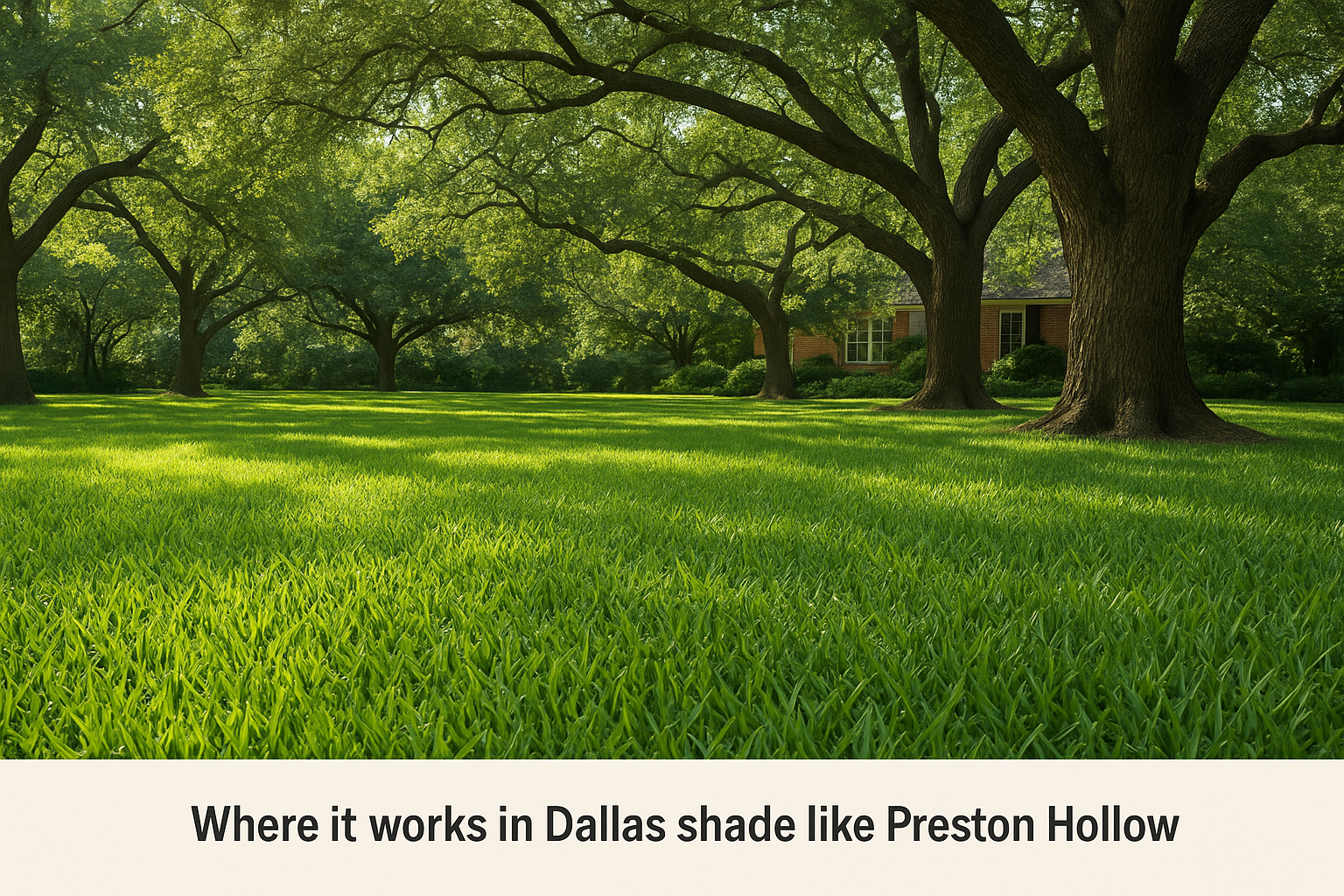
Where it works in Dallas shade like Preston Hollow
Properties with mature tree canopies, such as those common in Preston Hollow, often struggle to maintain Bermuda grass density in shaded zones. St. Augustine grass tolerates filtered light better than most warm-season alternatives, making it a practical choice where tree coverage limits direct sun exposure.
St. Augustinegrass is not a full-shade solution; it still needs several hours of filtered or indirect light to maintain a functional stand.
Pros
- Best shade tolerance among common warm-season grasses in North Texas
- Produces a thick, weed-suppressing canopy once established
Cons
- Susceptible to chinch bugs and Take-All Root Rot, particularly during humid stretches
- No rhizome system means bare patches repair more slowly than Bermudagrass
Care basics for watering and disease pressure
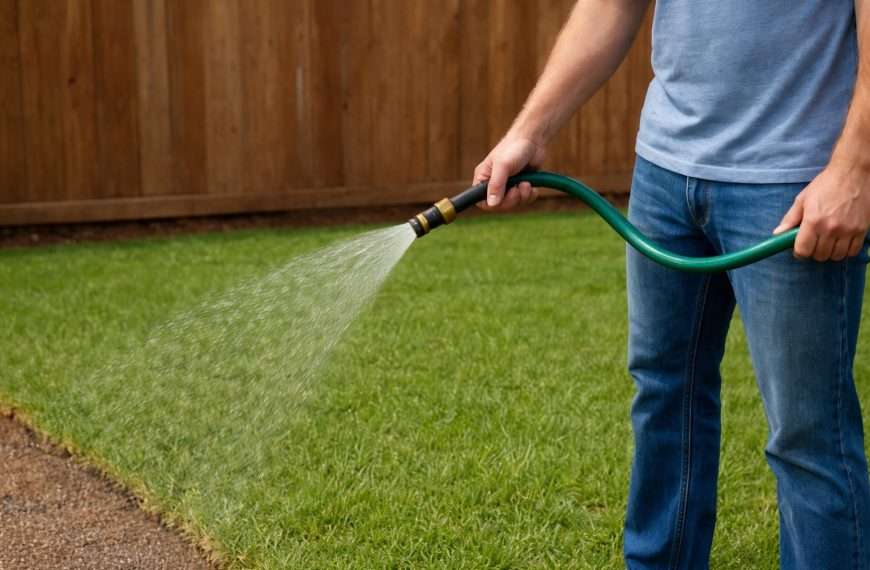
St. Augustine grass requires consistent but measured irrigation; overwatering in Dallas clay soils can significantly increase disease pressure. Many of the issues homeowners see during summer are tied to how their system is running, not just how often it runs. Understanding proper watering frequency is key, especially in heavy soils.
If you’re unsure how often your lawn should be watered during peak heat, our guide on how often to water your lawn in Texas heat breaks it down clearly. Monitor for yellowing or thinning patches during wet summer periods, which often indicate fungal activity rather than drought stress.
Establishment notes for sod and plugs
Sod remains the most reliable installation method, giving you immediate coverage and root contact with the soil. Plugs work but establish slowly, leaving your yard exposed to weed encroachment for much of the first growing season.
4. Buffalo grass
Buffalo grass is the one native warm-season option among the types of grass Texas homeowners occasionally consider, and it comes with a specific set of trade-offs that make it a strong fit for some properties and a poor choice for others.

What it is and how it grows
Buffalo grass is a fine-bladed, low-growing native turf that spreads through stolons and seed, forming a thin but soft canopy. It grows slowly and stays naturally short, often requiring far less mowing than Bermuda grass or Zoysia during peak season.
Where it works in Dallas
Buffalo grass performs best on well-drained sites with full sun and minimal supplemental irrigation. Properties with heavier clay soils and regular watering schedules tend to produce thin, weedy stands rather than the dense turf you might expect.
Buffalograss is genuinely low-input only when the site conditions match its needs; irrigating it like Bermuda grass produces the opposite of the results you want.
Pros
- Extremely low water requirement once established
- Minimal fertilization needed compared to other warm-season grasses
Cons
- Very limited shade tolerance and poor performance in high-traffic areas
- Slower to fill bare areas and more vulnerable to weed encroachment than other options
Care basics for low-input lawns
Your irrigation schedule should be minimal and infrequent; consistent watering encourages weed pressure rather than turf density. Avoid heavy nitrogen applications, which push growth patterns that work against Buffalo grass’s natural habit.
Establishment notes and expectations for density
Seed is the most common installation method, but germination is slow and uneven in the first season. Set realistic expectations for full canopy coverage, which often takes two growing seasons under favorable conditions.
5. Tall Fescue
Tall fescue occupies an unusual position among the types of grass Texas homeowners evaluate: it’s a cool-season grass that some Dallas properties carry despite the region’s overwhelming preference for warm-season turf.
What it is and how it grows
Tall fescue is a bunch-type grass, meaning it grows in clumps rather than spreading through stolons or rhizomes. Its broader blades and deeper root system give it more drought resilience than other cool-season options, but it does not self-repair bare patches the way Bermuda grass or Zoysia would.
Where it works in Dallas
Tall fescue can persist in partial shade or transitional microclimates where warm-season grasses struggle to establish, particularly in north-facing yards or areas under persistent canopy cover. Even in these locations, summer performance is marginal and requires active management to prevent widespread thinning.
Tall fescue in Dallas survives summer rather than thriving through it; managing expectations upfront avoids costly overseeding cycles year after year.
Pros
- Deeper root system compared to other cool-season grasses improves short-term drought resilience
- Holds green color through winter without overseeding
Cons
- Struggles significantly through July and August in North Texas heat
- Bunch-type growth means bare patches require manual reseeding rather than natural spread
Care basics for summer survival
Raise your mowing height during summer to reduce heat stress on the canopy and irrigate deeply but infrequently to encourage root depth rather than shallow surface moisture.
Establishment notes for fall seeding and repair
Fall seeding between mid-October and early November gives tall fescue the best window to germinate and develop roots before winter. Reseeding thin areas annually is a normal part of maintaining a tall fescue lawn in North Texas rather than a sign of failure.
6. Perennial Ryegrass
Perennial ryegrass is the one temporary option among the types of grass Texas homeowners use, and understanding that distinction upfront is essential before you decide whether it fits your lawn.

What it is and how it grows
Perennial ryegrass is a cool-season bunch grass that germinates quickly and produces a fine-bladed, dark green canopy within two to three weeks of seeding. It grows actively through fall and winter, then declines as soil temperatures rise in spring.
Where it works in Dallas as overseed only
This grass is used exclusively as a winter overseeding option on dormant warm-season lawns. Homeowners who want green color through December and February typically spread it over dormant Bermuda grass to maintain appearance during the brown season.
Perennial ryegrass is not a permanent turf solution; treating it as one leads to spring transition problems that can set back your primary lawn.
Pros
- Fast germination produces visible color within two to three weeks of seeding
- Provides consistent winter green over dormant Bermuda grass without permanent commitment
Cons
- Competes directly with warm-season grass during spring green-up if it lingers too long
- Requires reseeding every fall since it does not persist through a Dallas summer
Care basics for winter color without spring problems
Keep mowing height consistent at one to one and a half inches through winter. Avoid heavy irrigation once temperatures begin climbing in March, which helps the ryegrass thin naturally.
Establishment notes and transition back to warm-season turf
Seed in mid-October through early November when soil temperatures drop below 65 degrees. Reduce nitrogen applications in late winter to slow ryegrass growth and ease the transition back to your permanent turf without smothering it.
7. Centipede grass
Centipede grass appears in discussions about types of grass Texas homeowners can install, but it rarely performs well in the Dallas area. Understanding why helps you avoid a frustrating and costly establishment.

What it is and how it grows
Centipede grass is a coarse-bladed, warm-season grass that spreads slowly through stolons and stays naturally low-growing. It earned a reputation as a low-maintenance option in the humid, acidic soils of East Texas and the Gulf Coast, but those conditions differ sharply from what Dallas properties offer.
Where it tends to fail in Dallas conditions
Dallas clay soils tend toward alkaline pH levels, which directly conflicts with Centipede grass’s preference for acidic soil. Combined with extreme summer heat and periodic cold snaps, most Dallas lawns see significant decline or full loss within a few seasons.
Centipede grass that looks healthy in spring often collapses by August in North Texas, leaving bare soil that requires immediate intervention.
Pros
- Requires minimal fertilization where soil conditions are compatible
- Stays naturally low, reducing mowing frequency on suitable sites
Cons
- Poor alkaline soil tolerance makes it a poor match for most Dallas properties
- Highly sensitive to cold injury during winter temperature swings
Care basics if you already have it
Keep your soil pH tested annually and avoid high-nitrogen fertilizers, which push rapid growth that weakens the turf over time.
When to consider switching grasses instead
If your Centipede grass shows recurring thinning or yellowing despite consistent care, switching to Zoysia or St. Augustine grass is usually more practical than continuing to amend soil conditions that work against it.
How to Choose the Right Grass for Your Yard
The right choice among the types of grass Texas properties support comes down to three factors: sun exposure, soil conditions, and how much ongoing management you’re willing to commit to. Bermuda grass performs best in full-sun Dallas lawns, while Zoysia is a strong fit for properties that receive a mix of sun and moderate shade.
St. Augustine remains the most reliable option for shaded lawns, especially under mature tree canopies. Buffalo grass only works in very specific conditions where drainage is excellent and irrigation stays minimal. Tall fescue and perennial ryegrass are better suited for seasonal use rather than long-term turf, and centipede grass is rarely a strong performer in Dallas conditions.
What matters most is how your specific property behaves. Microclimate, drainage, and tree coverage will influence performance far more than general recommendations. Before moving forward with a new lawn, walk your property at different times of day to understand where sun and shade truly fall.
If you’re planning a new installation or dealing with a lawn that isn’t performing the way it should, our sod installation services are designed to match the right turf to your property conditions from the start. You can also schedule a consultation to evaluate your lawn, soil, and sun exposure before making a decision.