Dallas lawns wake up hungry after winter. The window between late February and early April is when your turf either builds the foundation for year-round health or falls behind to weeds and heat stress. Getting your spring lawn care Dallas routine right now means less water, fewer chemicals, and a lawn that actually thrives through our brutal summers.
At Greenform Landscapes, we’ve maintained properties across the Dallas Metroplex for years, and we’ve learned exactly what North Texas grass needs when temperatures start climbing. Our approach combines proven local techniques with battery-powered equipment that won’t wake your neighbors at 7 AM.
Whether you’re handling spring prep yourself or considering professional help, these six tips cover everything from fertilization timing to mowing height. Each one is specific to the Dallas climate and the grass varieties that grow here.
1. Spring lawn tune-up
Your lawn needs a deliberate reset after winter dormancy, not just a general cleanup. A proper spring tune-up addresses the three biological systems that determine lawn health: root structure, soil condition, and the plant’s ability to photosynthesize efficiently. When you skip this step, you’re forcing your grass to compete with weeds while recovering from winter stress and preparing for summer heat.
What you do and why it matters
The tune-up starts with debris removal and thatch inspection. Winter leaves and dead grass blades block sunlight and trap moisture against the crown of your grass plants, creating fungal breeding grounds. You also need to check for soil compaction, which restricts oxygen flow to roots and prevents water from reaching the critical six-inch depth where Bermuda and St. Augustine roots establish their summer reserves.
Spring cleanup isn’t cosmetic. It’s the difference between grass that survives summer and grass that thrives through it.
Exact timing for Dallas spring
Start your tune-up between February 20 and March 10 when soil temperatures hit 55°F consistently. This window aligns with when warm-season grasses break dormancy but before spring weeds germinate aggressively. You can verify soil temperature with a basic thermometer pushed three inches into your lawn at 8 AM for three consecutive days.
Quick checklist and pro tips
Your spring lawn care Dallas routine should cover these essentials:
- Remove all leaves, sticks, and winter debris with a rake or blower
- Inspect for brown patch, take-all root rot, or other disease signs
- Check sprinkler heads for winter damage or misalignment
- Sharpen mower blades before the first cut
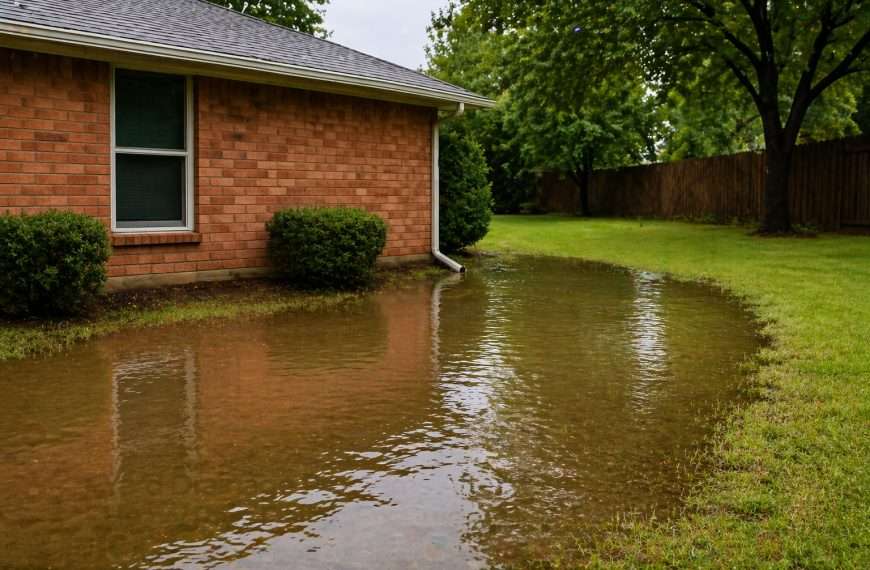
- Note any low spots where water pools after rain
When to call a pro
Professional help makes sense when you lack the equipment for thorough cleanup or when you spot disease patterns you can’t identify. Greenform Landscapes handles the entire tune-up with battery-powered equipment that won’t disrupt your morning routine, and we document baseline conditions that help track lawn performance through the season.
2. Test soil and improve Dallas clay
Dallas clay holds water like concrete holds rain, creating drainage nightmares and nutrient lockout that starves grass roots. Your soil pH likely sits between 7.5 and 8.5, which blocks iron and nitrogen uptake even when you fertilize correctly. Testing and amending your soil in spring fixes these issues before heat stress compounds them.
What you do and why it matters
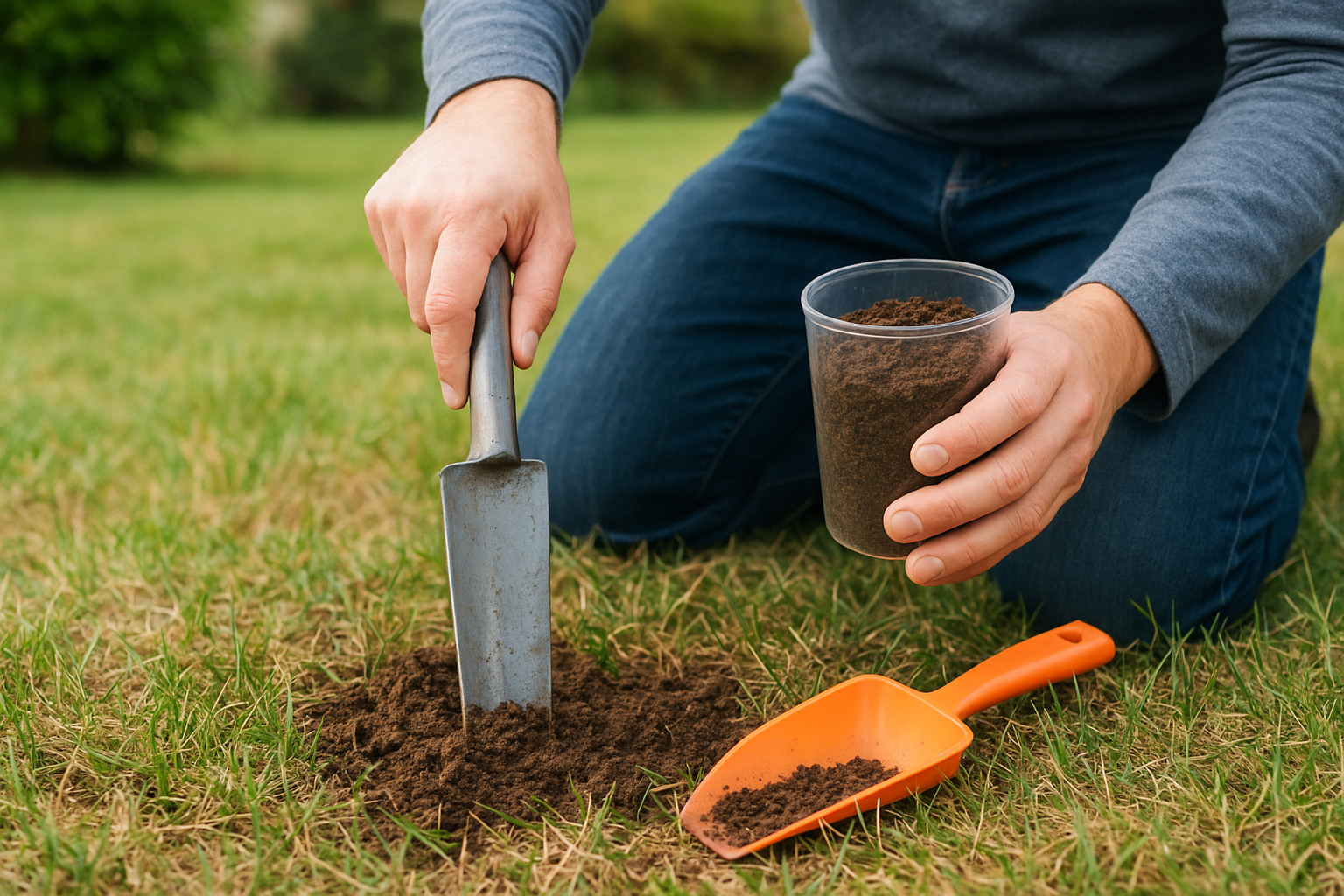
You need a professional soil test that measures pH, organic matter, and nutrient levels specific to your property. Dallas clay contains minimal organic content and compacts easily, which prevents root penetration beyond the top three inches. Adding compost or soil conditioner breaks up clay particles and introduces microbes that convert nutrients into plant-available forms.
Soil amendments work slowly. Spring application gives them time to integrate before peak growth starts.
Exact timing for Dallas spring
Submit soil samples between late February and mid-March when laboratories process results fastest. This timing lets you apply amendments in early April, giving them four to six weeks to activate before your first fertilization. Test every three years unless you notice persistent yellow patches or water pooling.
Quick checklist and pro tips
Your soil improvement plan should include:
- Collect samples from multiple lawn areas at 4-inch depth
- Mix samples in a clean bucket and send 2 cups for testing
- Apply gypsum for clay structure without changing pH
- Top-dress with 0.25 inches of compost after aeration
When to call a pro
Professional testing makes sense when DIY kits produce inconsistent results or when you need detailed recommendations for amendment ratios. Greenform Landscapes coordinates testing and applies precise amendments based on your lawn’s specific deficiencies.
3. Prep your mower for a clean, low-stress cut
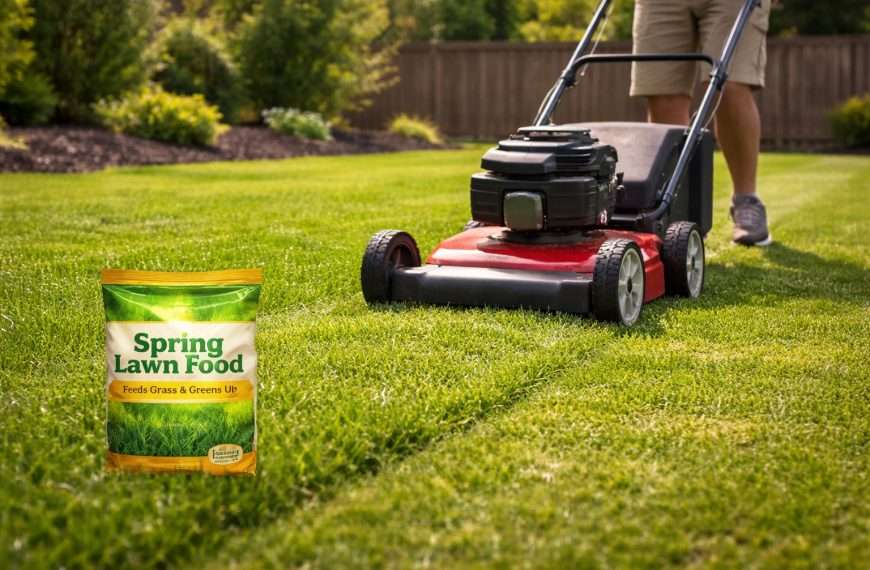
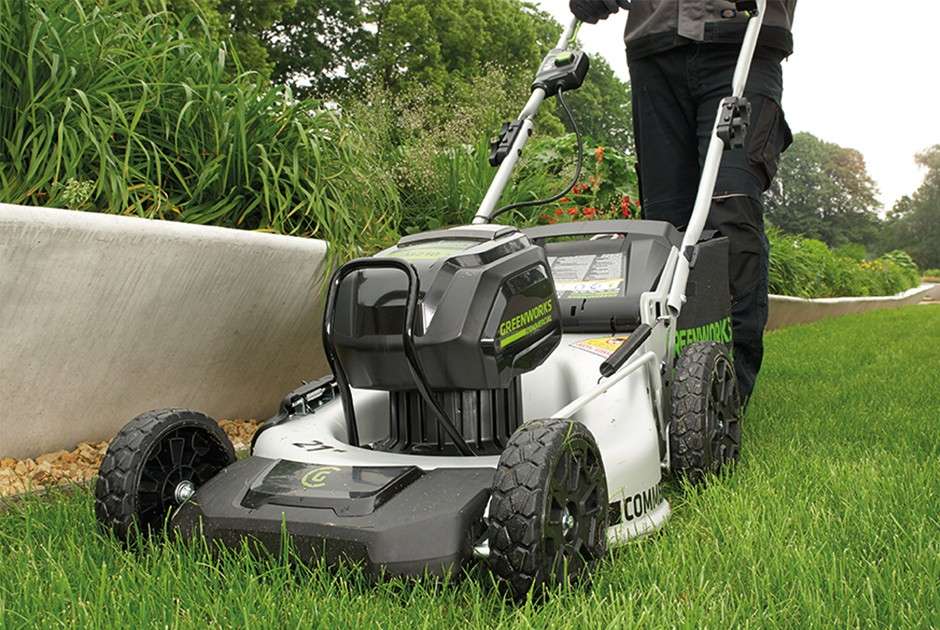
Your mower blade condition directly controls grass health and water loss. A dull blade tears grass instead of cutting it cleanly, creating ragged wounds that leak moisture and invite disease. Spring is when you set up your cutting system for the entire growing season, and that starts with blade maintenance and height adjustment.
What you do and why it matters
You need to sharpen or replace blades before your first spring cut. Dull blades stress grass by tearing cell walls, which turns blade tips brown and increases water loss by up to 30%. Check your mowing height setting too, because cutting too short in spring removes the leaf surface grass needs for photosynthesis during root establishment.
Sharp blades cut clean. Dull blades create stress that compounds through summer.
Exact timing for Dallas spring
Service your mower between late February and early March before grass breaks dormancy. This gives you time to fix mechanical issues without missing the critical first cut when your lawn reaches 3.5 to 4 inches in height, typically around mid-March for Bermuda and St. Augustine.
Quick checklist and pro tips
Your spring lawn care Dallas mower prep should include:
- Sharpen blades to factory specifications or replace if damaged
- Set cutting height to 3 inches for Bermuda, 3.5 inches for St. Augustine
- Change oil and air filter on gas mowers
- Check battery charge capacity on electric models
When to call a pro
Professional maintenance makes sense when you lack blade-sharpening equipment or when your mower requires carburetor cleaning or engine diagnostics beyond basic upkeep.
4. Stop spring weeds with pre-emergent timing
Pre-emergent herbicides work by creating a chemical barrier in the top half-inch of soil that prevents weed seeds from germinating. Once weeds like crabgrass, henbit, or spurge establish roots and break through the soil surface, pre-emergents become useless and you’re stuck with post-emergent treatments that damage grass or require multiple applications. Your spring lawn care Dallas strategy depends on applying pre-emergent before soil temperatures trigger weed germination, which happens in a narrow window.

What you do and why it matters
Pre-emergent herbicides bind to soil particles and stay active for eight to twelve weeks, depending on the product and rainfall. You need to apply them before weed seeds germinate, because the barrier only affects seeds attempting to sprout, not established plants. This timing prevents competition for water and nutrients during your grass’s critical spring growth phase.
Pre-emergent works before weeds appear. Once you see green shoots, you’ve missed the window.
Exact timing for Dallas spring
Apply pre-emergent between February 15 and March 1 when soil temperatures reach 55°F for three consecutive days. This window catches crabgrass and other warm-season weeds before germination starts in mid-March. Reapply in late May if your product label recommends split applications for season-long control.
Quick checklist and pro tips
Your pre-emergent application should include:
- Choose products with dithiopyr or prodiamine for longest residual control
- Apply to dry grass and water in with 0.25 inches within 48 hours
- Avoid disturbing soil for two weeks after application
- Mark calendar for second application 10 weeks later
When to call a pro
Professional application makes sense when you need precise coverage rates or when you’re managing multiple weed species that require different active ingredients for effective control.
5. Inspect irrigation and water within Dallas rules
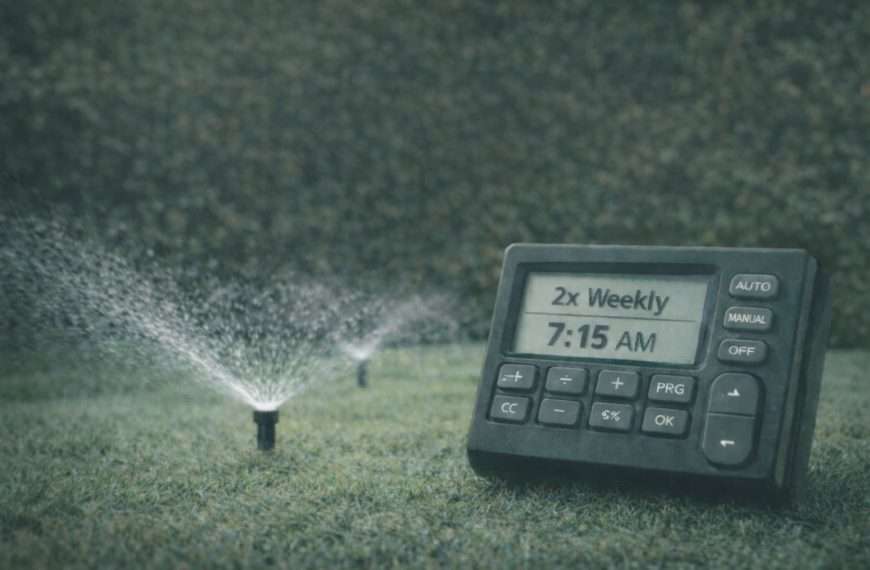
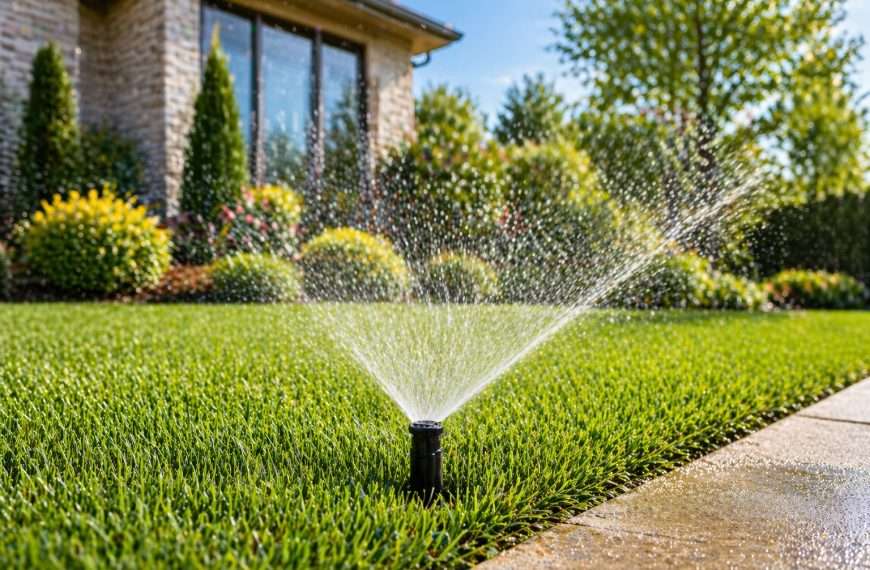
Your sprinkler system took a beating during winter freezes, and hidden leaks or misaligned heads waste thousands of gallons before you notice the damage. Dallas enforces twice-weekly watering limits year-round, with specific days assigned by address, so you need an irrigation system that delivers precise coverage without violating municipal codes or drowning sections of your lawn.

What you do and why it matters
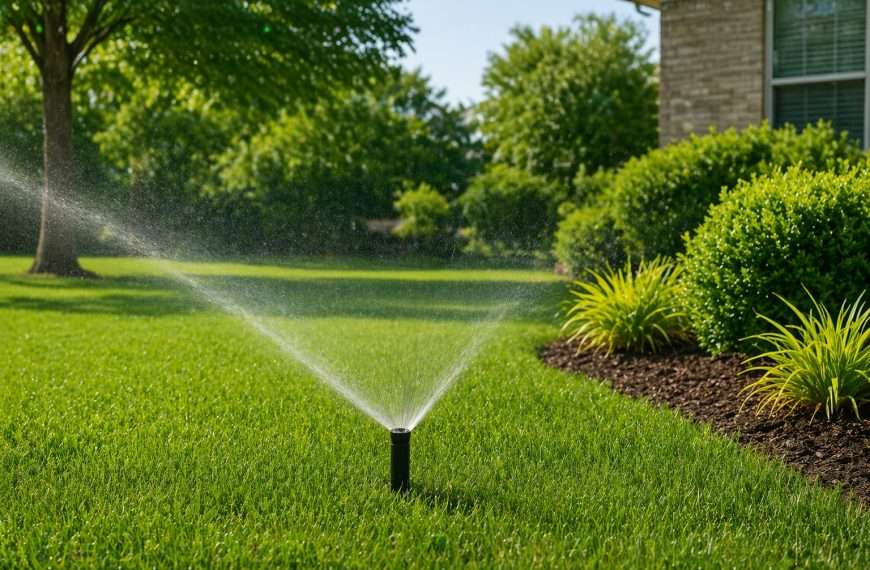
You need to run each zone manually and watch for broken heads, leaks at connection points, and spray patterns that hit sidewalks instead of grass. Winter freezes crack plastic components and shift heads out of alignment, creating dry spots and overwatered areas that invite disease. Check your controller settings too, because many systems revert to factory defaults after power outages.
Irrigation repairs in spring prevent water waste and code violations through summer.
Exact timing for Dallas spring
Inspect your system between early March and mid-March after the last freeze risk passes but before grass enters active growth. This timing gives you two to three weeks to order parts and complete repairs before your lawn needs consistent moisture in April.
Quick checklist and pro tips
Your irrigation inspection should cover:
- Test each zone for 5 minutes and mark problem areas
- Adjust heads to eliminate overspray on hardscapes
- Verify controller follows Dallas twice-weekly watering schedule
- Check rain sensor function with manual override test

Proper soil preparation is essential before laying new turf — check out our detailed guide on how to prepare soil for sod to ensure your lawn stands strong all season.
When to call a pro
Professional irrigation service makes sense when you find multiple broken zones or when pressure issues suggest mainline damage that requires excavation and specialized repair equipment.
6. Aerate and fertilize for summer-ready roots
Dallas clay compacts during winter, creating oxygen-starved zones that suffocate grass roots and prevent nutrient absorption. Aeration removes soil plugs to break up compaction, while spring fertilization supplies the nitrogen and phosphorus your lawn needs for explosive root growth before summer heat arrives. This combination transforms shallow, weak roots into deep systems that access moisture two feet below the surface.
What you do and why it matters
You need to punch holes three inches deep across your lawn using a core aerator, then apply fertilizer with a 3-1-2 or 4-1-2 nitrogen-phosphorus-potassium ratio. Aeration creates channels for oxygen, water, and nutrients to penetrate below the compacted clay layer where roots actually grow. Fertilizer applied after aeration reaches root zones directly instead of sitting on the surface where it washes away or burns grass blades.
Aeration without fertilization wastes the opportunity. Fertilization without aeration feeds the surface, not the roots.

Exact timing for Dallas spring
Aerate between April 1 and April 20 when soil moisture sits at optimal levels and grass enters active growth. Apply fertilizer within 48 hours after aeration while soil plugs remain on the surface to break down and return organic matter to your lawn.
Quick checklist and pro tips
Your aeration and fertilization plan should include:
- Water lawn deeply 24 hours before aeration
- Use slow-release nitrogen fertilizer for 8-week feeding
- Apply at 1 pound of nitrogen per 1,000 square feet
- Water immediately after fertilizing with 0.5 inches
When to call a pro
Professional aeration makes sense when you lack equipment or when your lawn exceeds 5,000 square feet and requires commercial-grade machinery for thorough coverage.
Your spring lawn checklist for Dallas
Your spring lawn care Dallas routine comes down to six critical steps executed in the right order. Test your soil in late February, apply pre-emergent by March 1, complete your spring tune-up by March 10, inspect irrigation in mid-March, and handle aeration plus fertilization in early April. This sequence builds foundation strength that carries your lawn through summer without excessive watering or chemical intervention.
Professional execution guarantees you won’t miss timing windows or apply products incorrectly. Greenform Landscapes handles every step with battery-powered equipment that maintains your property without disturbing your neighborhood. Our teams work across Highland Park, Preston Hollow, Midway Hollow, and Lakewood using techniques proven on hundreds of North Texas lawns.
Schedule your spring service before the March rush fills our calendar. Our lawn care program includes soil testing, pre-emergent application, irrigation inspection, and fertilization timed precisely for Dallas grass varieties.