Knowing when to prune shrubs in North Texas is about more than keeping your landscape looking tidy. Pruning at the wrong time can reduce blooms, stress plants, or open them up to pests and disease. Done correctly, pruning supports healthy growth, improves structure, and helps shrubs perform better through the region’s extreme seasonal swings.
Timing matters even more in Dallas, where hot summers, mild but unpredictable winters, and varied soil conditions all affect how plants respond. At Greenform Landscapes, we’ve worked with homeowners across neighborhoods like Preston Hollow, Midway Hollow, Lakewood, and Highland Park, and we’ve seen firsthand how adjusting pruning schedules to local conditions makes a measurable difference in plant health and longevity.
This guide breaks down the best times to prune common shrubs in North Texas, explains how different species respond to pruning, and shares practical tips to help you make confident, informed decisions in your own landscape.
Best Time to Prune Shrubs in North Texas
North Texas falls within USDA hardiness zones 7b and 8a, which means the final spring freeze typically occurs between mid-March and early April. This freeze window plays a major role in determining when to prune shrubs in North Texas. The goal is to prune while shrubs are still dormant, but close enough to spring that pruning cuts can heal quickly once active growth begins.
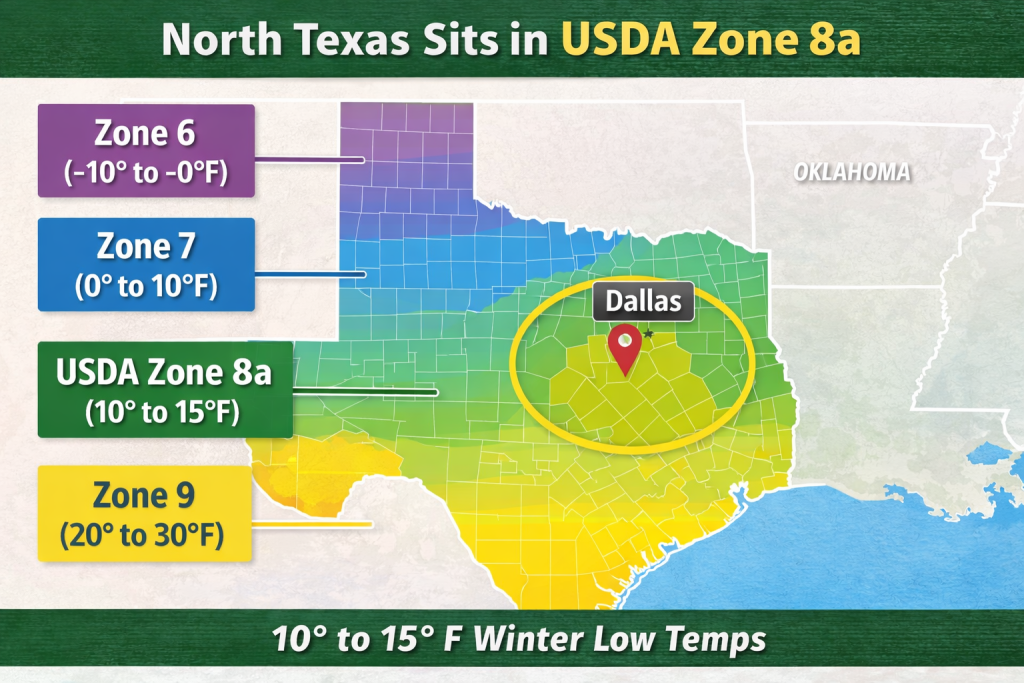
Pruning too early increases the risk of freeze damage to fresh cuts, while pruning too late forces the plant to waste stored energy on growth that will ultimately be removed. By timing pruning around dormancy and local freeze patterns—not calendar dates—homeowners can protect plant health and encourage strong, balanced growth.
Dormancy Periods Drive the Pruning Calendar
In the Dallas–Fort Worth area, most deciduous shrubs enter full dormancy between late December and February. During this time, sap flow slows significantly and plants concentrate energy in their root systems rather than above-ground growth. Pruning during dormancy allows cuts to be made without triggering premature budding or placing unnecessary stress on stored nutrient reserves.
Evergreen shrubs follow a slightly different pattern. While they never fully shut down, growth slows enough during late winter to make this period the safest window for pruning before spring growth accelerates. Understanding these differences helps prevent damage and supports healthier, more controlled regrowth once temperatures rise.
Pruning while shrubs are dormant also helps protect your landscape investment. Cuts have time to heal before pests and diseases become active in warmer months, reducing the risk of infection and improving long-term plant health across North Texas landscapes.
When NOT to Prune Shrubs in North Texas
Knowing when not to prune shrubs is just as important as knowing when to cut. In North Texas, pruning at the wrong time can expose plants to freeze damage, reduce flowering, and create unnecessary stress that impacts long-term health.

Late fall is one of the worst times to prune shrubs in our region. Fall pruning can encourage new growth just as temperatures begin to drop, leaving tender tissue vulnerable to early freezes. It can also interfere with a shrub’s natural dormancy cycle, weakening the plant before winter.
Pruning during mid-winter warm spells should also be approached with caution. While mild temperatures may suggest early spring, sudden cold fronts are common in North Texas and can damage freshly pruned plants. Likewise, heavy pruning during peak summer heat can stress shrubs, slow recovery, and increase water demand during already challenging conditions.
When timing is uncertain, delaying pruning is usually the safer option. Observing weather patterns and understanding how individual shrubs respond to seasonal changes helps prevent mistakes that can affect growth and flowering for months to come.
Temperature Patterns That Matter
Pruning schedules in North Texas must account for rapid temperature swings that can shift 30 to 40 degrees within a single day. A warm February afternoon may feel like spring, but early pruning during these brief warm periods can be misleading. For early-blooming shrubs such as forsythia and azaleas, pruning too soon often removes flower buds that formed the previous fall, resulting in little to no spring color.
Rather than reacting to short-term warmth, pruning decisions should be based on sustained temperature trends. Monitoring a reliable 10-day forecast and waiting until the risk of hard freezes (28°F or lower) has passed helps protect shrubs from cold damage. Soil temperature also plays a role—clay-heavy soils common in areas like Highland Park and University Park warm more slowly than sandy soils, which can delay true dormancy break even when air temperatures rise.
Bloom timing further determines how temperature patterns affect pruning. Spring-blooming shrubs set buds on old wood and should be pruned only after flowering, while summer-blooming shrubs produce flowers on new growth and tolerate late winter or early spring pruning. Understanding how temperature, soil conditions, and bloom cycles intersect allows for safer pruning decisions and more consistent results across North Texas landscapes.
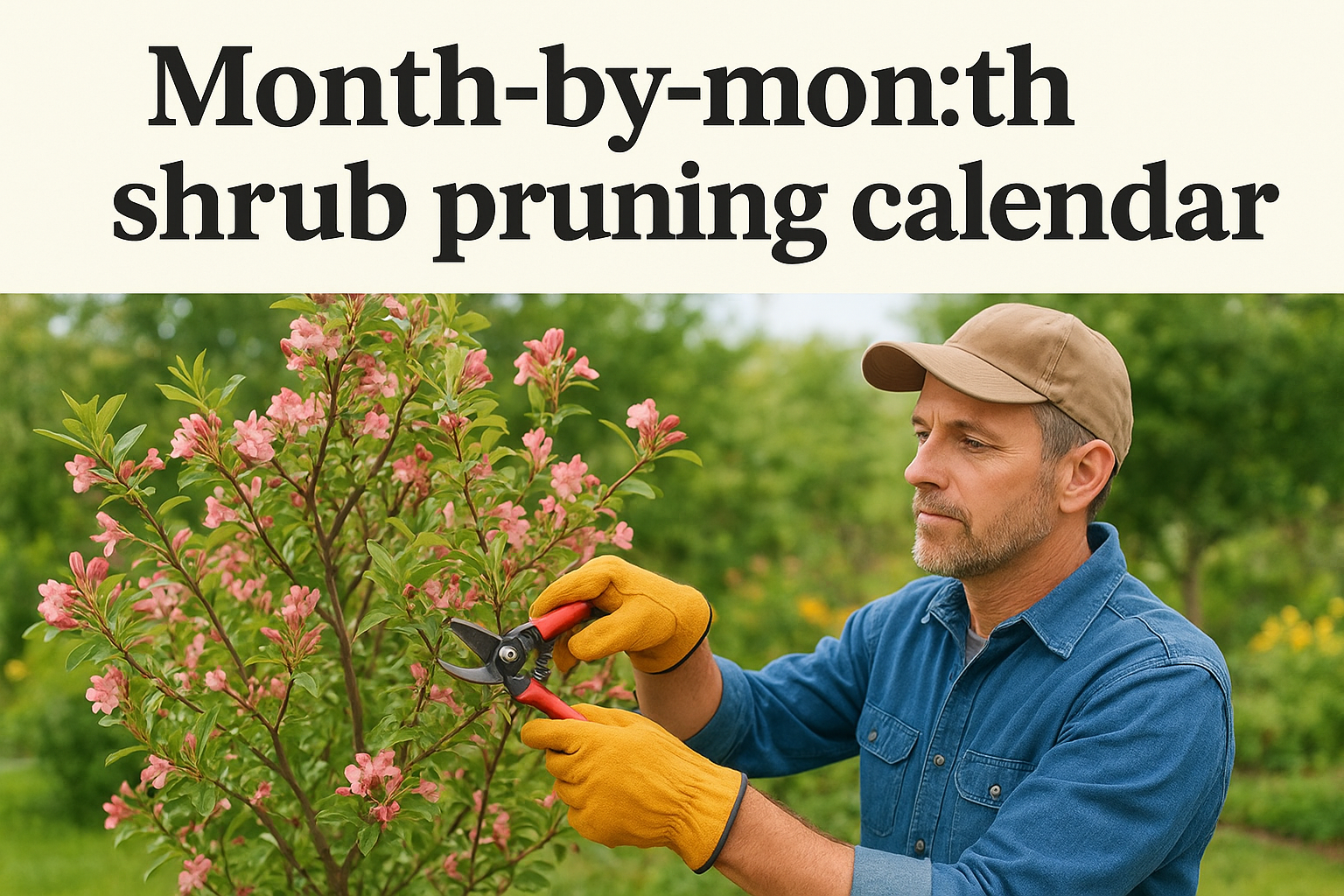
Month-by-Month Shrub Pruning Calendar
The most reliable answer to when to prune shrubs in North Texas comes from aligning plant biology with our region’s freeze patterns. Following a month-by-month pruning plan is an important part of ongoing landscape maintenance, especially in North Texas climates. Rather than following generic national pruning guides, this month-by-month approach reflects real conditions across Dallas, Plano, and surrounding North Texas communities.
You’ll notice that most strategic pruning takes place in late winter and early summer, when shrubs can recover efficiently and direct energy into healthy growth. This calendar focuses on practical timing windows—helping you avoid freeze damage, protect seasonal blooms, and make informed pruning decisions throughout the year.
Winter Through Spring Pruning Schedule
In North Texas, the pruning season typically begins in January and February, when most deciduous shrubs are fully dormant. This dormant window allows you to clearly see plant structure without foliage obscuring problem areas, making it easier to remove dead wood, correct crossing branches, and establish proper shape without stressing the plant.
Late winter is the safest time to prune shrubs that bloom on new growth. Plants such as crape myrtles, roses (excluding climbers), and most non-flowering shrubs tolerate pruning well during this period and respond with strong, healthy spring growth.
March requires a more cautious approach. Many early-blooming shrubs—including azaleas, forsythias, and lilacs—have already set flower buds on last year’s growth. Pruning at this stage removes those buds and sacrifices the upcoming bloom cycle. For these shrubs, it’s best to wait until flowering has finished, which typically shifts pruning into late April or May.
| Month | What to Prune | What to Avoid |
|---|---|---|
| January | Crape myrtles, deciduous hollies, non-flowering shrubs | Spring bloomers, freeze-sensitive tropicals |
| February | Roses, butterfly bush, vitex, wax myrtle | Azaleas, forsythia, flowering quince |
| March | Evergreen shrubs (light shaping only) | Anything showing flower buds |
| April | Wait for spring bloomers to finish | Active growth on summer bloomers |
| May | Spring bloomers after bloom, light hedging | Heavy cuts on established plants |
| June | Summer bloomers, repeat-flowering roses | Shrubs stressed by heat |
Pruning in the wrong month doesn’t kill your shrubs, but it does eliminate an entire season of flowers and wastes the energy they stored for spring growth.
Summer and Fall Pruning Approach
From July through September, extreme North Texas heat makes pruning risky for most shrubs. Pruning cuts create open wounds that lose moisture faster than roots can replace it during prolonged 100-degree weather. This stress can slow recovery, increase water demand, and leave shrubs more vulnerable to disease and sun damage.
During peak summer, pruning should be limited to light corrective cuts only—such as removing dead, damaged, or hazardous branches. Heavy pruning is best avoided until temperatures moderate. As fall approaches, restraint remains important. Pruning too late in the season can encourage new growth just as temperatures begin to drop, increasing the risk of cold damage once winter arrives.
For most shrubs, fall is best reserved for observation and planning rather than major pruning. Structural or rejuvenation pruning is safer when delayed until dormancy returns in late winter.
How to Prune Without Harming Blooms
When it comes to preserving flowers, timing matters far more than technique. The key is understanding when each shrub forms its flower buds. Spring-blooming shrubs such as azaleas and forsythias develop buds on old wood during the previous growing season, while summer bloomers like crape myrtles form buds on new growth each spring. This distinction determines whether pruning should happen before or after flowering.

Pruning at the wrong time—even with perfect technique—can remove an entire season of blooms that the plant has already invested energy to create. Matching pruning timing to bloom cycle is the most reliable way to protect flowering and long-term plant health in North Texas landscapes.
Identifying Bloom Timing on Your Shrubs
One of the simplest ways to determine proper pruning timing is to observe when each shrub flowers. In North Texas, spring bloomers typically show color between March and May and should be pruned immediately after flowering, once petals drop. Summer bloomers usually flower in June or later, which allows them to be pruned safely during winter dormancy without sacrificing blooms.
If you’re unsure which shrubs you have, take photos during peak bloom and make note of flowering times. Tagging unfamiliar plants and researching their bloom cycle prevents a common mistake—cutting spring-flowering shrubs in February, which is often appropriate for non-flowering or summer-blooming varieties but damaging to early bloomers.
Cutting Techniques That Preserve Next Season’s Flowers
To avoid stressing shrubs or reducing bloom potential, limit pruning to no more than one-third of total growth during a single session. Excessive removal can push plants into survival mode, prioritizing leaf growth over flower production. Make clean cuts at a slight angle just above an outward-facing bud to encourage open growth patterns that improve airflow and light penetration.
For spring-blooming shrubs, pruning immediately after flowering provides the longest possible window for next year’s buds to develop. In North Texas, this window typically lasts three to four weeks in late April or May, before new bud formation begins. Pruning within this timeframe helps maintain consistent flowering year after year.
Mistakes to avoid in DFW yards
North Texas homeowners make predictable pruning errors that stem from following generic advice rather than accounting for our clay soils, unpredictable freeze dates, and extreme summer heat. The most expensive mistake involves timing rather than technique: pruning spring-blooming shrubs in February wastes their stored energy and eliminates flowers they’ve been preparing since last fall.
Understanding when to prune shrubs in North Texas prevents this setback, but you also need to recognize damage patterns unique to our region that turn routine maintenance into costly repairs.
Crape Myrtle Topping and Excessive Cuts
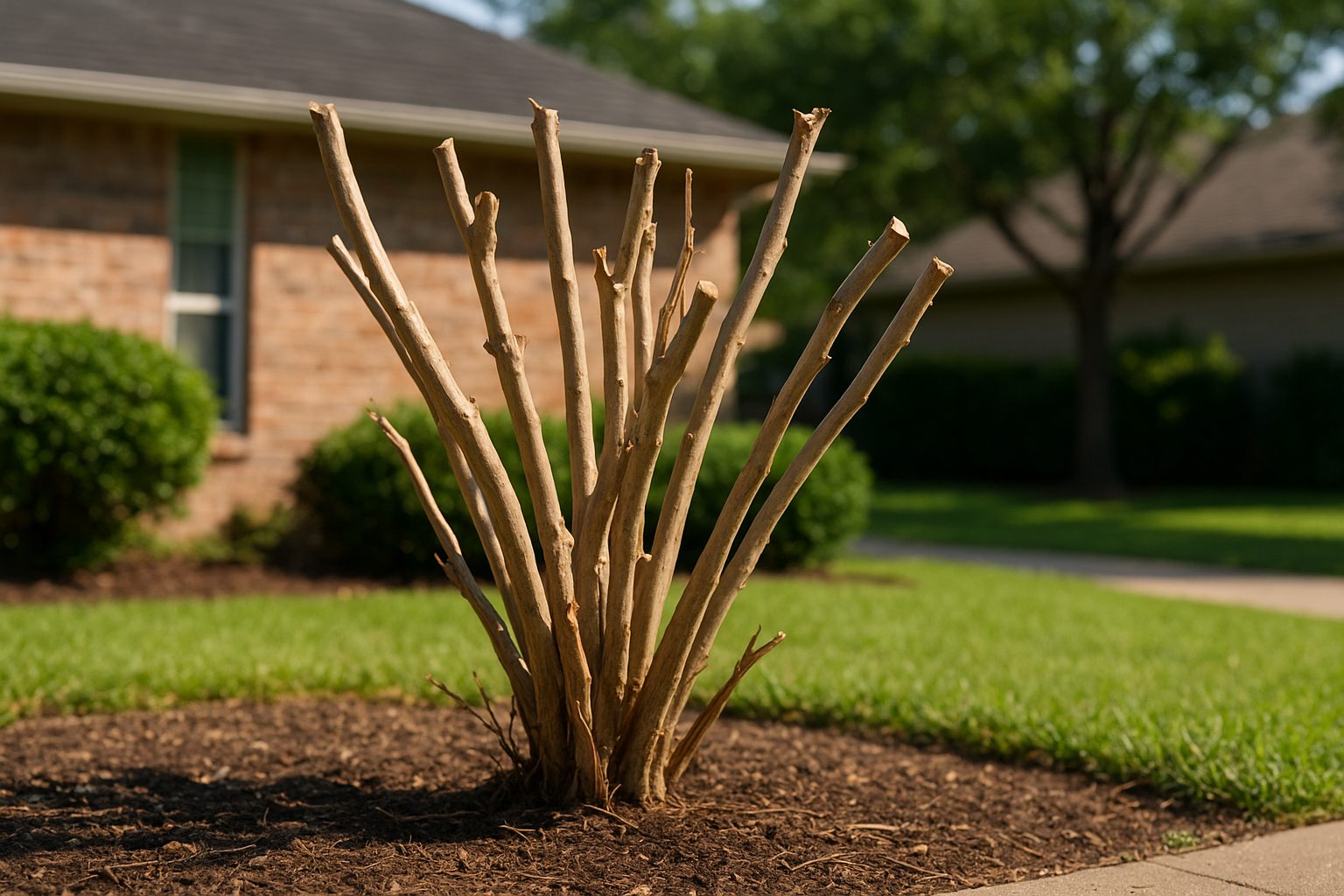
You’ve likely seen the result across Dallas neighborhoods—crape myrtles cut back each winter to knee-high stumps. This practice, often referred to as crape murder, weakens the plant’s natural structure and leads to thin, unstable branch growth. It also reduces bloom quality and leaves large, exposed cuts vulnerable to freeze damage during late cold snaps.
Proper crape myrtle pruning focuses on selective removal, not heavy topping. Crossing branches, inward growth, and basal suckers should be removed while preserving the plant’s natural vase-shaped form. On established crape myrtles, pruning cuts should generally not exceed pencil thickness to avoid stimulating weak, excessive regrowth.
This same principle applies to other multi-trunk shrubs and small trees such as vitex and desert willow. Instead of cutting everything back to a uniform height, entire stems should be removed cleanly at ground level when thinning is needed. This approach maintains structural strength, improves airflow, and supports healthier flowering without compromising long-term growth.
Heat stress pruning during summer
Cutting shrubs between July and September forces them to heal wounds while fighting 100-degree temperatures and limited soil moisture. Your clay soil compounds this problem by creating poor drainage that suffocates roots during the few heavy rains we receive in summer. Wait until late September or October for any necessary shaping, and even then, limit cuts to dead wood removal only.
Pruning during peak heat diverts water from survival functions to wound healing, often resulting in brown leaves and dieback within weeks.
When to Call a Professional Arborist or Crew
Basic pruning on shrubs under six feet tall can often be handled with standard hand tools, but certain situations call for professional experience and equipment. Height is the most obvious factor—any pruning that requires a ladder introduces fall risks that often outweigh the cost of hiring a trained crew.
Less obvious, but equally important, are shrubs growing near power lines or utility infrastructure. These situations require specialized training and insulated tools to manage safely. Homeowner insurance typically does not cover injuries related to electrical hazards, making professional service the only responsible option when utilities are involved. In these scenarios, relying on professional shrub pruning services helps protect both people and property.
Size and Access Limitations
Mature shrubs exceeding eight feet in height often require pole saws or hydraulic lifts that most homeowners don’t own or know how to operate safely. Professional crews use commercial-grade equipment designed to reach 15–20 feet while maintaining proper cutting angles and plant structure.
Properties with limited access—such as narrow side yards, fenced areas, or dense planting beds—also benefit from experienced teams. Skilled crews know how to maneuver equipment without damaging surrounding plants, irrigation lines, or nearby structures.
Professional crews complete in two hours what takes untrained homeowners an entire weekend, with better results and zero property damage.
Complex Plant Health Decisions
Pruning should never be the first step when shrubs show signs of stress. Unexplained dieback, pest activity, or disease symptoms require proper diagnosis before any cuts are made. A certified arborist can identify underlying issues and ensure pruning does not spread infection or worsen existing damage.
If you’re still unsure when to prune shrubs in North Texas after reviewing timing guidelines, a professional can provide property-specific recommendations based on your exact plant varieties, soil conditions, and microclimate. This level of evaluation is especially valuable for mature or high-visibility landscapes.
Shrub Pruning FAQs for North Texas
Can I prune shrubs during winter in North Texas?
Yes—many shrubs can be pruned during late winter while they are dormant, especially non-flowering varieties and shrubs that bloom on new growth. Timing should account for freeze risk, and pruning is best done after the coldest part of winter has passed but before spring growth begins.
What happens if I prune shrubs at the wrong time?
Pruning at the wrong time can remove flower buds, reduce or eliminate seasonal blooms, and stress the plant. In North Texas, early pruning before a late freeze can also expose fresh cuts to cold damage, leading to dieback and uneven growth.
Should all shrubs be pruned every year?
No. Not all shrubs require annual pruning. Some benefit from light, periodic shaping, while others only need pruning to remove dead, damaged, or crossing branches. Over-pruning can weaken shrubs and reduce flowering, especially in established landscapes.
Quick Recap and Next Steps
Successful shrub pruning comes down to matching plant type with North Texas freeze patterns. Spring-blooming shrubs should be pruned after flowering, typically in late April or May, while summer bloomers tolerate late winter pruning between January and March. Timing matters more than technique—perfect cuts made at the wrong time can eliminate an entire season of blooms your plants already invested energy to produce.
Start by walking your property to identify which shrubs you have and when they flower. Tag unknown plants and photograph them during bloom so you can research proper pruning windows. Focus dormant-season work on non-flowering varieties, and mark spring bloomers on your calendar for post-bloom maintenance. Understanding when to prune shrubs in North Texas protects your landscape investment and prevents wasted effort year after year.
If you’d like help identifying shrubs or want professional pruning handled at the right time, schedule a consultation with our team to evaluate your property’s specific needs.