Mulch does more than improve appearance—it plays a critical role in how your landscape performs throughout the year. It helps suppress weeds, retain moisture, and protect plant roots from the extreme temperature swings we see in North Texas. But one detail many homeowners in Dallas overlook is timing. Apply mulch too early, and you can trap cold, saturated soil that slows root development. Wait too long, and weeds get established before the mulch has a chance to do its job.
Knowing when to mulch in Dallas is often the difference between landscape beds that thrive and ones that struggle through the season.
In North Texas, timing isn’t generic—it’s highly specific to our climate. Between intense summer heat, unpredictable winter swings, and heavy spring rains, the window for installing mulch is narrower than most national advice suggests. Through ongoing work in neighborhoods like Preston Hollow, Lakewood, and Midway Hollow, we’ve seen exactly when mulch performs best under these conditions.
This guide breaks down the best time to mulch in Dallas month by month, including soil temperature cues and seasonal timing strategies. Whether you’re refreshing existing beds or preparing your landscape for the months ahead, you’ll know exactly when to act for the best results.
Why mulch timing matters in North Texas
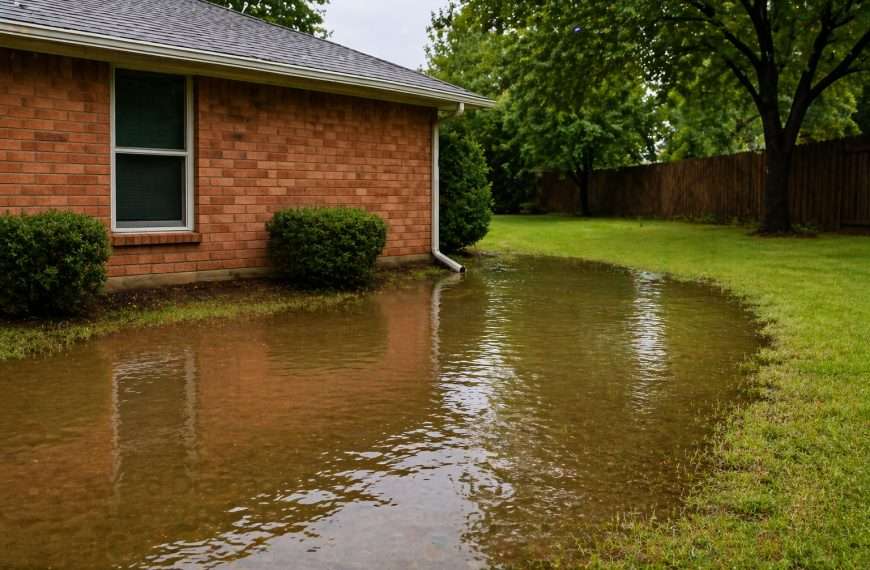
North Texas throws curveballs that other regions don’t face. Your soil can swing from bone-dry in August to waterlogged after a March downpour within the same season. These wild fluctuations affect how mulch performs, because the material you spread needs compatible ground conditions to deliver its benefits. When you install mulch at the wrong moment, you’re not just wasting time and money, you’re potentially creating problems that compound throughout the growing season.
Climate extremes require strategic application
Dallas summers hit triple digits for weeks straight, baking exposed soil and stressing root systems faster than most other Texas metros. Your mulch acts as thermal insulation, but only if you apply it before that first sustained heat wave arrives in late May or early June. Wait too long, and you’re trying to protect plants that are already struggling. The damage compounds when you factor in North Texas clay soil, which cracks and repels water once it dries out completely.
Installing mulch during extreme temperatures reduces its effectiveness by up to 40% compared to ideal conditions.
Soil temperature dictates root response
Your plant roots don’t respond to calendar dates, they respond to soil temperature cues that signal when to grow actively. If you mulch too early in spring when soil remains cold, you trap that chill and delay the best time to install mulch for active growth. Conversely, mulching too late in fall means roots face winter cold without adequate protection. The sweet spot in North Texas occurs when soil temps stabilize between 55°F and 75°F, typically mid-March through April and again in October through early November.
Best time to install mulch by month in Dallas
Dallas operates on a two-window mulching calendar that aligns with your landscape’s natural growth cycles. The best time to install mulch falls within these distinct periods when soil conditions support root activity without creating moisture or temperature problems. Outside these windows, you risk trapping excessive heat, suffocating roots with waterlogged material, or wasting effort on applications that don’t stick around long enough to deliver benefits.

Spring window: March through April
Your primary mulching opportunity arrives when soil temperatures stabilize between 55°F and 65°F, typically mid-March through late April in the Dallas metro. This timing lets you suppress early-season weeds before they germinate while giving perennials and shrubs the moisture retention they need as temperatures climb. You’ll want to apply fresh mulch after completing spring cleanup but before summer heat arrives in full force.
Spring mulch applications reduce summer irrigation needs by up to 50% when timed correctly.
Fall window: October through early November
Your second major opportunity opens after the intense summer heat breaks but before hard freezes arrive. October through early November gives you ideal conditions to refresh existing mulch beds and protect root systems heading into winter. This fall application also prevents winter weeds from establishing and positions your landscape for a strong start next spring.
Weather and soil signs to watch before mulching
Reading your ground conditions beats following a calendar alone. Your soil sends clear signals about whether it’s ready for mulch application, and ignoring these physical indicators costs you time and effectiveness. Professional installers check specific conditions before spreading a single cubic yard, because the best time to install mulch shows up in what you observe underfoot, not just on a calendar page.
Soil temperature checks
Your soil needs to reach 55°F at a depth of 4 inches before you spread mulch in spring. Grab a basic soil thermometer and test mid-morning after the sun has warmed the ground slightly. Cold soil trapped under fresh mulch stays cold for weeks, delaying root development and keeping beneficial microbes dormant when your plants need them most active.
Mulch applied over cold soil can delay spring growth by 2 to 3 weeks in North Texas gardens.
Moisture level indicators
You want soil that feels damp but not saturated when you squeeze a handful. Soil that clumps together but doesn’t drip water gives you ideal conditions for mulch adhesion and decomposition rates. Waterlogged ground creates anaerobic conditions under fresh mulch, while bone-dry soil repels moisture and forces your mulch layer to work harder without delivering benefits.
How to install mulch for beds and trees
Your installation technique affects how well mulch performs regardless of when you apply it. The best time to install mulch means nothing if you pile material incorrectly or skip essential prep work that lets your beds and trees actually benefit from coverage. Professional installers follow specific protocols for beds versus tree rings because these areas have different drainage patterns and root structures that demand tailored approaches.

Bed preparation steps
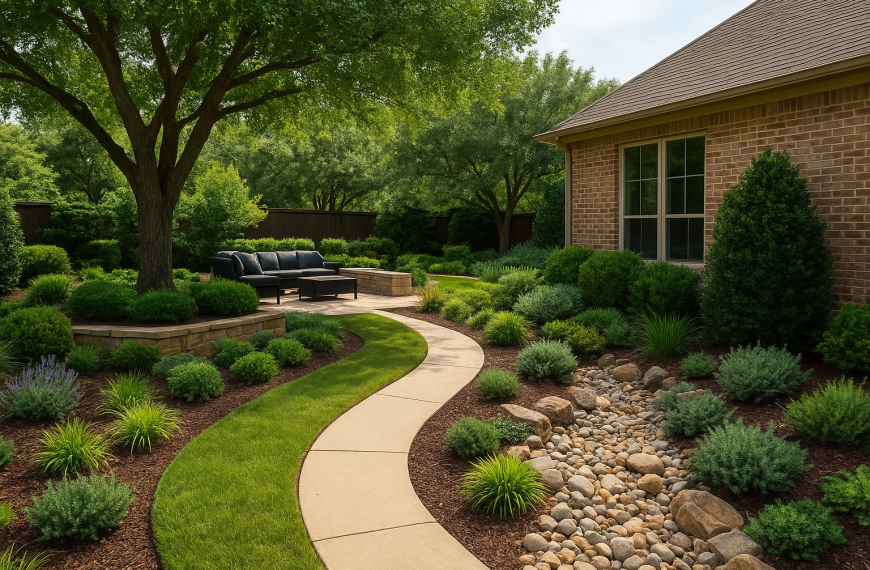
Pull existing weeds completely before you spread fresh material. Your mulch layer needs direct contact with weed-free soil to create an effective barrier that stops new germination. Rake beds smooth and water lightly if the ground feels dusty, then apply 2 to 3 inches of mulch across the entire bed area. Keep material pulled back at least 2 inches from plant stems and shrub bases to prevent moisture buildup that causes rot.
Proper bed preparation reduces weed breakthrough by 85% compared to mulch applied over existing weeds.
Tree ring application
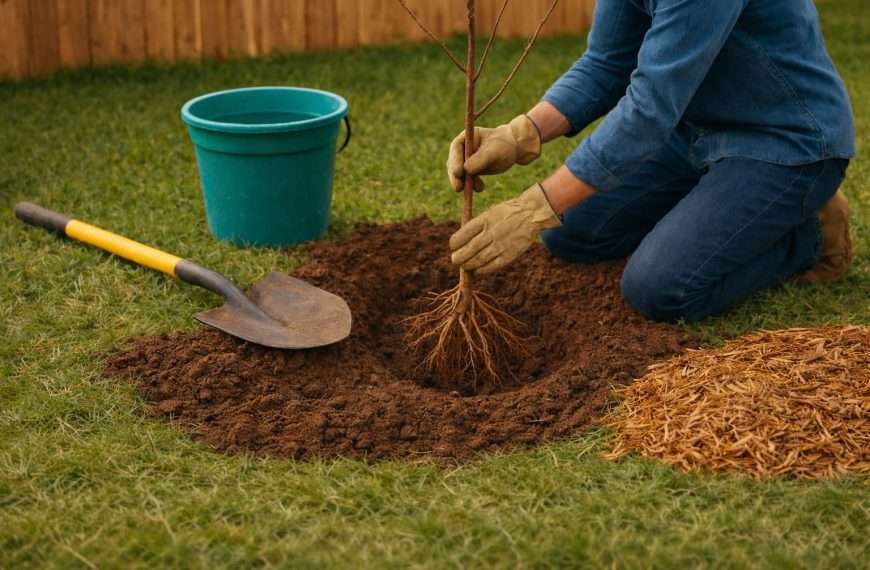
Create a circle extending to the tree’s drip line rather than stopping at the trunk. Your mulch ring should spread 3 to 4 feet wide for young trees and expand as the canopy grows. Never pile mulch against the trunk itself, this volcano mulching traps moisture and invites disease. Instead, pull material back 6 inches from the bark and maintain a depth of 3 inches throughout the ring for optimal root protection.
Common questions and mulch timing mistakes
Your mulching success often hinges on avoiding common errors that compromise performance regardless of when you apply material. These mistakes appear in residential landscapes across Dallas neighborhoods, and they typically stem from misunderstanding how mulch interacts with soil conditions and plant needs. Recognizing these issues before they affect your beds saves you from repeating applications or dealing with plant stress later.
Applying mulch during peak heat or drought
You create problems when you spread fresh material during June through August heat waves. Your soil needs adequate moisture for mulch to settle properly and begin decomposition, but Dallas summer conditions make achieving this nearly impossible. The best time to install mulch avoids these extreme periods entirely, instead focusing on spring and fall windows when temperatures moderate and rainfall arrives more consistently.
Mulch applied during drought conditions can actually repel water instead of retaining it, reducing effectiveness by 60%.
Piling material too thick or against stems
Most homeowners overapply mulch because more seems better. Your beds need only 2 to 3 inches of depth to suppress weeds and retain moisture effectively. Deeper layers suffocate roots by blocking oxygen exchange and create habitat for pests and disease organisms that attack plant crowns directly.
Next steps
The best time to mulch in Dallas comes down to two key windows: mid-March through April for spring applications and October through early November for fall refreshes. These periods align with optimal soil temperatures—typically between 55°F and 75°F—when mulch delivers the most benefit in moisture retention, weed suppression, and root protection without the challenges of extreme weather.
Your next step depends on where things stand today. Evaluate current soil conditions, remove any existing weeds, and apply mulch at the proper depth across beds and tree rings. In North Texas, timing and technique both matter—especially with the seasonal swings that impact how landscapes perform throughout the year.
If you’re planning a refresh or want a second set of eyes on your property, we can help assess the timing and approach that makes the most sense.
Explore our lawn care and maintenance services to see how we support healthy, well-maintained landscapes across Dallas.