Choosing the best mulch for Dallas landscaping isn’t as straightforward as grabbing whatever’s stacked outside the nearest garden center. North Texas clay soils, summer heat that pushes well past 100°F, and unpredictable winter freezes all affect how different mulch materials perform—and how long they actually last.
The wrong choice can trap moisture against root crowns, break down too quickly in our climate, or create more problems than it solves. Ongoing lawn care and maintenance also plays a major role in how well mulch performs over time, especially through peak summer conditions.
At Greenform Landscapes, we install and maintain mulch across established Dallas properties year-round, from mature beds in Preston Hollow to densely shaded lots with decades-old tree canopies. That hands-on experience has given us a clear picture of which materials hold up—and which ones fall short under real North Texas conditions.
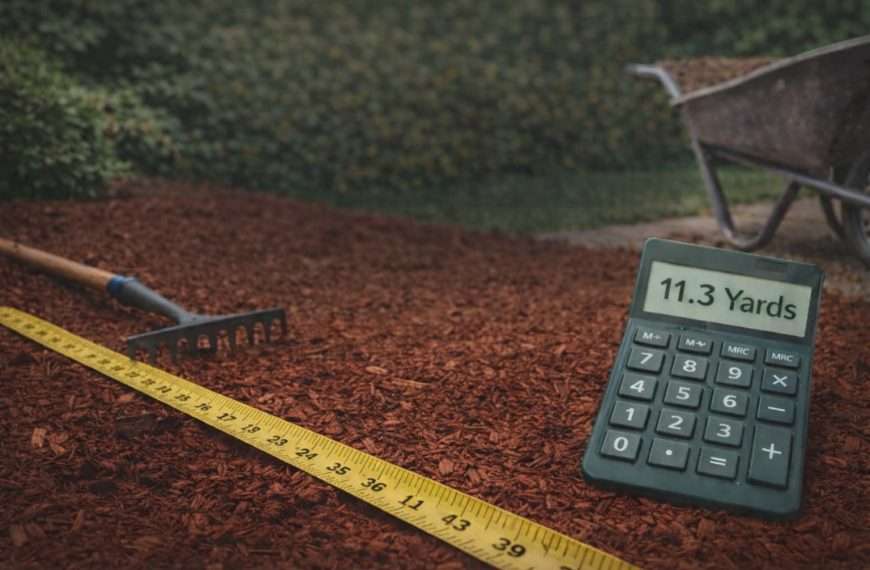
This guide breaks down the most common mulch types for Dallas landscaping and how each performs under real conditions. Whether you’re replacing aging mulch or rethinking your bed strategy entirely, this should help you make a more informed decision based on how each material actually performs—not just how it looks on the shelf. If you’re trying to determine how much mulch you’ll need, our Dallas mulch calculator can give you a quick, accurate estimate based on your bed size and depth before you get started.
Beyond material choice, how mulch is installed matters just as much as what you use. Proper bed preparation, grading, and spacing all influence how mulch performs over time—especially in Dallas soils that tend to compact and hold water. These details are typically addressed as part of a broader landscape design strategy, where drainage, plant selection, and long-term maintenance are all considered together.
What Is the Best Mulch for Dallas Landscaping?
In most Dallas landscapes, the best mulch comes down to how the space is used and how the soil behaves over time. Native hardwood mulch is typically the best all-around option for improving clay soil and supporting plant health, while cedar and other materials serve more specific roles depending on the application.
1. Native hardwood mulch

Native hardwood mulch is one of the most widely used and consistently reliable options for Dallas-area landscapes. It’s typically produced from local trees like oak, elm, and pecan, ground into a medium-textured shred that integrates well with the beds and root zones found on mature North Texas properties.
What it is and what you get in North Texas
In North Texas, native hardwood mulch is often sourced from tree trimming operations and local processors, which keeps costs reasonable and supply fairly consistent. You get a natural-looking, fibrous material that breaks down gradually, feeding soil biology as it decomposes. Its texture allows it to knit together over time, reducing surface displacement better than many alternatives.
Pros for Dallas landscapes
Native hardwood mulch performs well across several key areas in our climate. It moderates soil temperature effectively, which matters when Dallas summer heat can damage shallow root systems. It also retains moisture during dry spells and, as it decomposes, gradually improves the clay soil structure that most Dallas properties contend with.
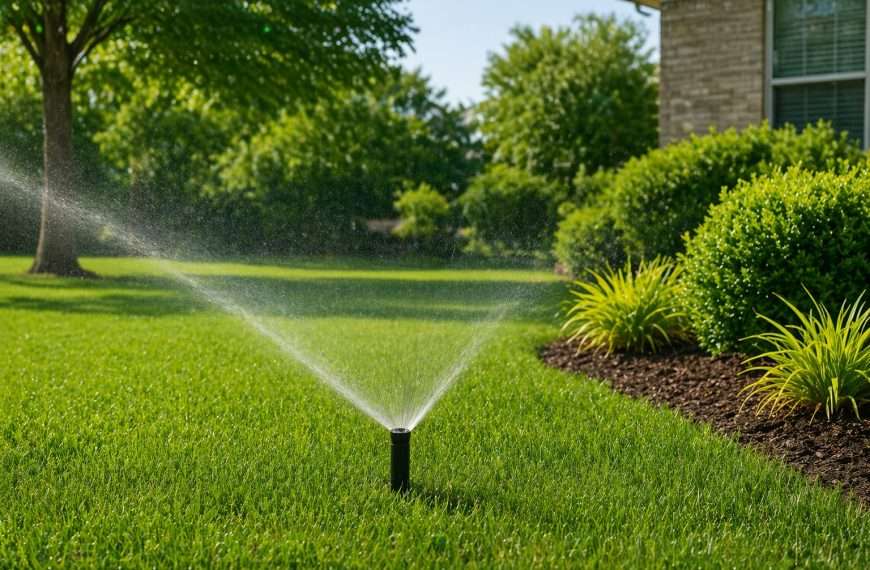
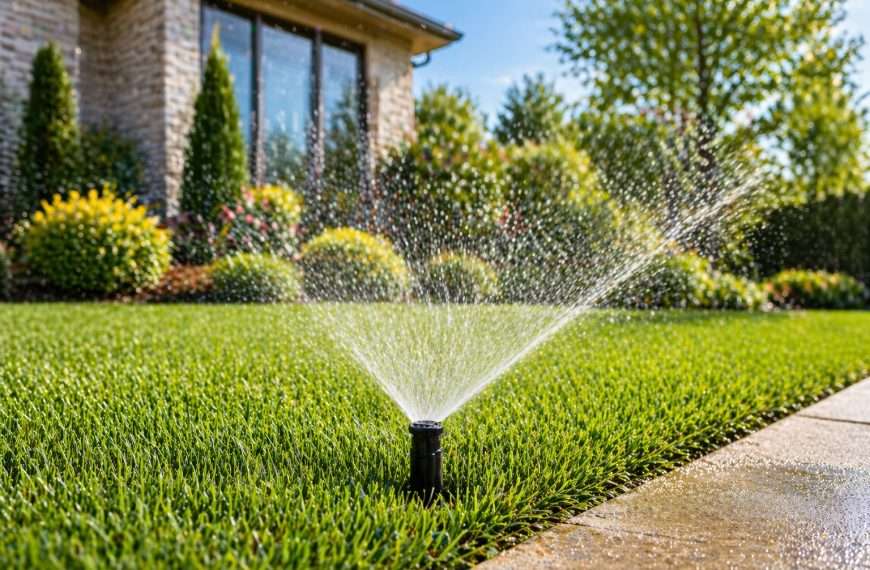
That said, mulch performance is closely tied to how water is delivered across the landscape. Inconsistent coverage or overwatering can lead to breakdown issues or plant stress, which is why maintaining a properly functioning irrigation system is just as important as choosing the right material.
Mulch that breaks down into organic matter does more long-term work for your soil than any material that stays inert.
Cons and common failure points
The main drawback is that hardwood mulch breaks down faster in heat and humidity, meaning most beds need refreshing every 12 to 18 months. Applied too thick or piled against plant stems, it can trap moisture and invite fungal issues, particularly in shaded areas.
Where it fits in established neighborhoods like Preston Hollow
Properties with mature tree canopies and established planting beds, like those common in Preston Hollow, are a natural fit for native hardwood mulch. Its organic character blends well visually and supports the root zones of large, established trees without impeding drainage.
Cost, longevity, and refresh timing
Native hardwood mulch typically runs $35 to $55 per cubic yard in the Dallas area. At a standard 3-inch depth, most beds benefit from a refresh once per year, with late winter or early spring being the most practical window before summer heat arrives.
2. Cedar mulch

Cedar mulch offers real advantages for specific parts of your landscape, and understanding where it fits helps you use it effectively in North Texas conditions.
What it is and how it behaves in heat
Shredded or chipped from Eastern red cedar, this mulch carries a natural oil content that slows decomposition. In Dallas summers, cedar holds its structure longer under intense heat than most organic mulches will.
Pros for Dallas landscapes
Cedar’s oils provide mild insect-repelling properties, useful around foundation plantings and entry beds. It also maintains a consistent appearance longer than hardwood mulch, making it practical when visual consistency matters across your property.
Cedar’s slower breakdown rate is an advantage in summer heat, but it means less organic matter returning to your soil over time.
Cons and plant compatibility issues
Slow decomposition limits cedar’s contribution to long-term soil health. Some plants sensitive to aromatic compounds may show reduced vigor near fresh cedar, so avoid applying it heavily around delicate perennials.
Best use cases around patios, foundations, and beds
When choosing the best mulch for Dallas landscaping, cedar works well in foundation beds and patio borders where a clean, lasting appearance is the priority over soil enrichment.
Cost, longevity, and refresh timing
Cedar mulch typically runs $40 to $60 per cubic yard in the Dallas area and holds well for 18 to 24 months before needing a refresh.
3. Pine bark mulch
Pine bark mulch comes in two distinct forms, and which one you choose matters more than most homeowners realize. Understanding the difference helps you place this material correctly across your Dallas landscape.
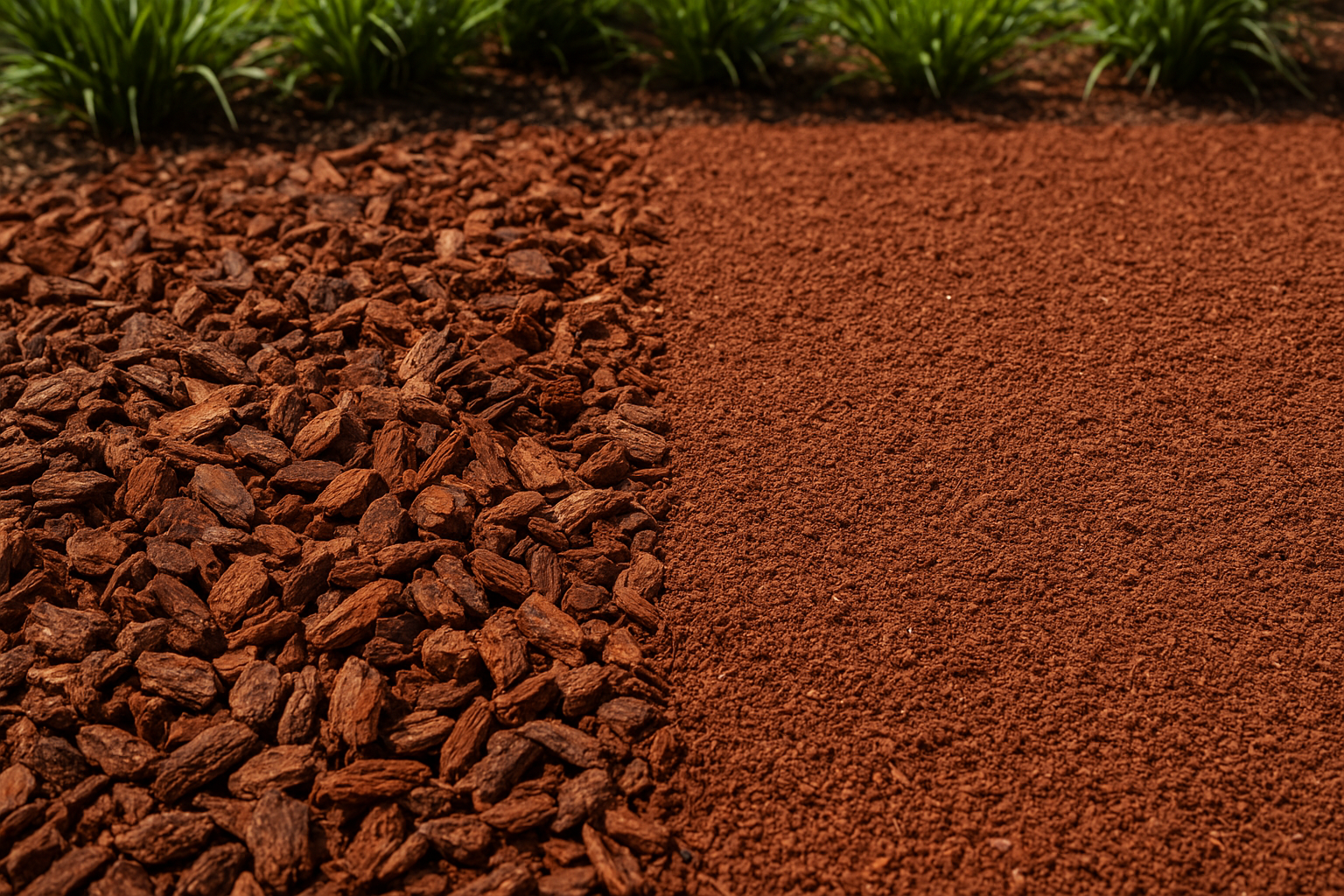
Nuggets vs fines and how to choose
Nuggets are larger, chunky pieces that resist compaction and allow good airflow around roots. Fines are ground more finely, creating a denser surface layer that holds moisture well but can crust in heavy clay areas if drainage is limited.
Pros for Dallas landscapes
Pine bark is slow to decompose, which extends the interval between refreshes compared to native hardwood mulch. It also insulates root zones effectively, a real advantage when Dallas summer soil temperatures climb well past what most ornamental plants tolerate comfortably.
Pine bark’s naturally acidic pH makes it one of the few mulches that actively supports plants with specific soil chemistry needs.
Cons in storms, slopes, and irrigation zones
Nuggets displace easily under heavy rain or strong irrigation heads. On sloped beds or areas with active runoff, they scatter and create uneven coverage that requires more frequent correction than other options.
Best fit for acid-loving plants and mixed beds
Pine bark works well around azaleas, gardenias, and camellias that benefit from lower soil pH. In mixed beds, fines integrate more naturally and stay in place better than nuggets under typical irrigation patterns.
Cost, longevity, and refresh timing
Pine bark mulch typically runs $38 to $58 per cubic yard in the Dallas area and holds well for 18 to 24 months before needing a refresh.
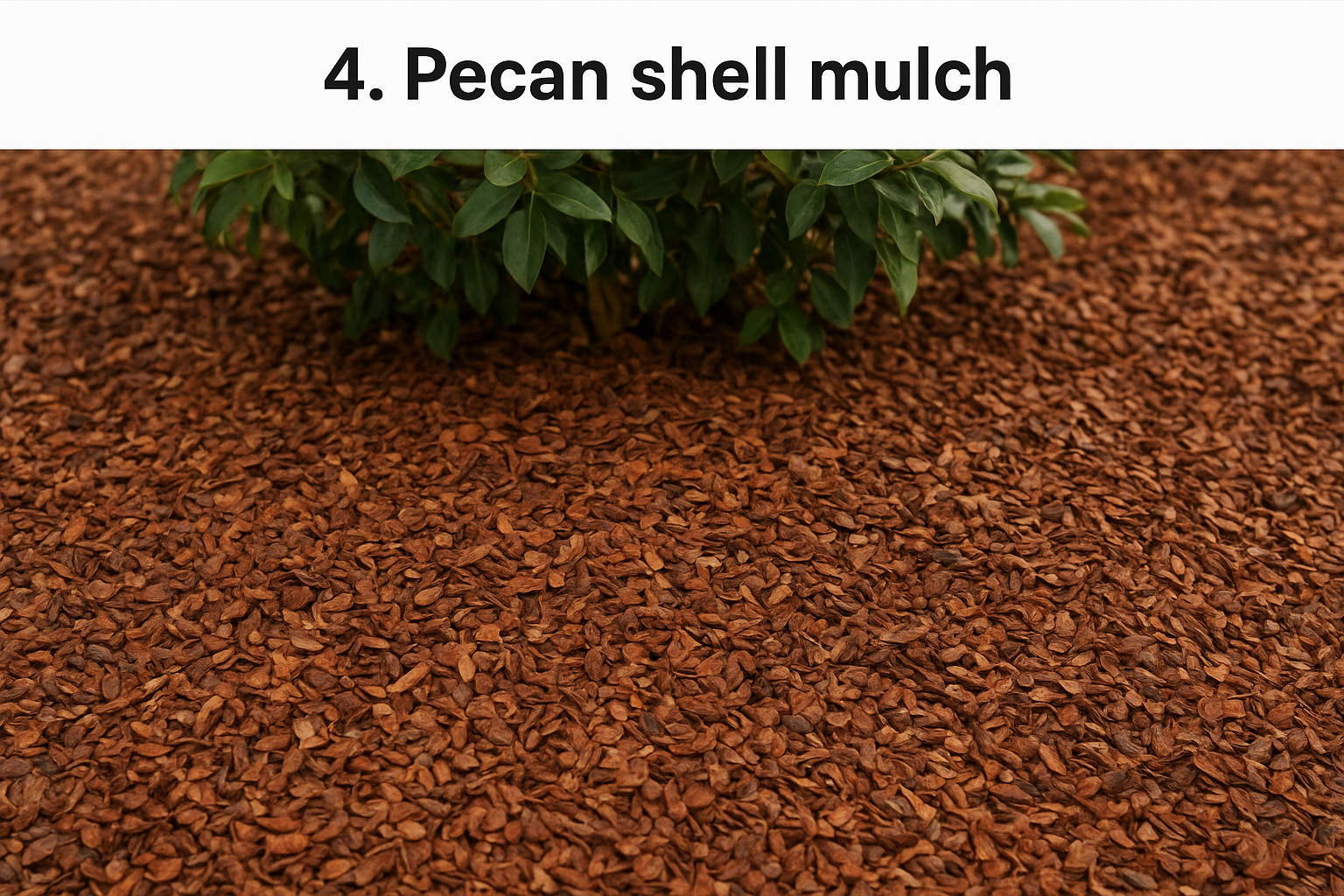
4. Pecan shell mulch
Pecan shell mulch is a distinctly Texas material that doesn’t show up in national landscaping guides but earns real attention from experienced Dallas homeowners. Its hard, durable shell structure and local availability make it worth considering for specific applications.
What it is and where Dallas homeowners find it
Pecan shells are a byproduct of local processing operations, making them relatively easy to source through regional landscape suppliers and some feed stores across the DFW area. The shells break down slowly and carry a natural, earthy appearance that suits mature, established beds well.
Pros for Dallas landscapes
Pecan shell mulch handles heat and compaction resistance better than most organic options. It stays in place under normal conditions and contributes organic matter gradually as it breaks down over time.
Slow decomposition combined with local sourcing makes pecan shell mulch one of the more practical niche options for established Dallas properties.
Cons, pests, and drift in heavy rain
The shells can attract rodents if food residue is present nearby, and heavy rainfall moves lighter shells out of flat beds and down slopes.
Best use cases for slopes and erosion-prone beds
Pecan shell mulch performs best in contained, level beds rather than sloped areas where rainfall displacement becomes a consistent problem.
Cost, longevity, and refresh timing
Pricing typically runs $45 to $65 per cubic yard, and with its slow breakdown rate, most beds need refreshing every two years under normal Dallas conditions.
5. Rock and gravel

Rock and gravel behave differently from every other option on this list because they don’t decompose. Knowing where this material fits, and where it creates problems, helps you avoid committing to a ground cover that works against your landscape long-term.
When inorganic ground cover works in Dallas
Rock and gravel make sense in xeric planting zones, drainage corridors, and areas where organic mulch consistently washes out or attracts pests under North Texas conditions.
Pros for Dallas landscapes
Stone requires no annual refresh and holds its position without the decomposition timeline that organic materials follow.
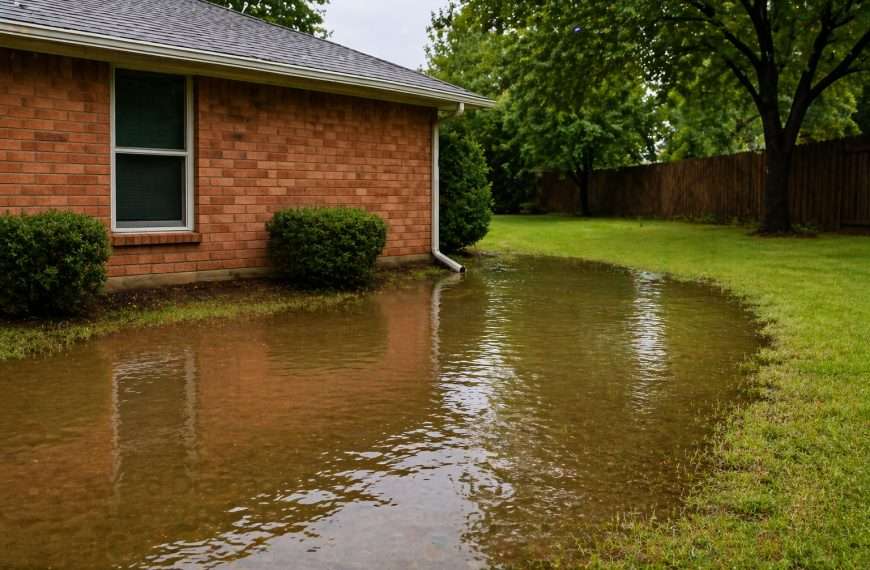
It also suppresses weeds reliably when installed over landscape fabric in dry, low-traffic areas. Rock and gravel installations are often used to manage water flow and prevent pooling in problem areas. When designed correctly, they can be part of a larger drainage solution that protects both your landscape and your foundation.
When evaluating the best mulch for Dallas landscaping, stone earns a place only in specific conditions, not as a general substitute for organic material in planted beds.
Cons for plant health, heat, and long-term flexibility
Rock absorbs and radiates intense heat, raising soil temperatures in an already demanding Dallas summer. Once installed, removing stone is labor-intensive, and it adds nothing to soil biology over time.
Best use cases for xeric areas, drainage, and shade
Stone works well in these specific situations:
- Dry-adapted planting zones with low water requirements
- Drainage swales and areas prone to erosion
- Low-maintenance borders where long-term stability outweighs soil enrichment
Cost, longevity, and maintenance notes
Decomposed granite and river gravel typically run $45 to $80 per cubic yard. Stone is essentially permanent, so edging and periodic weed control replace the refresh cycle you’d follow with organic mulch.
Mulch vs Rock in Dallas Landscaping
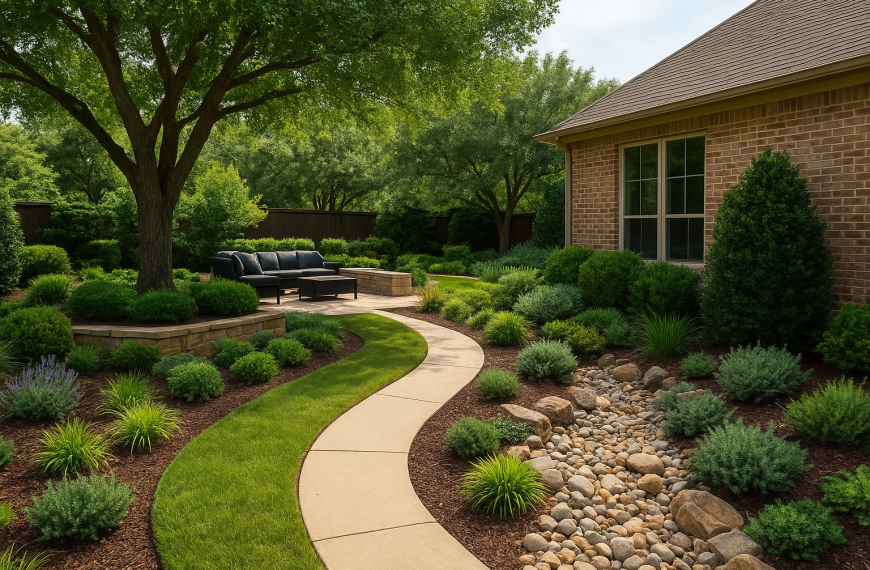
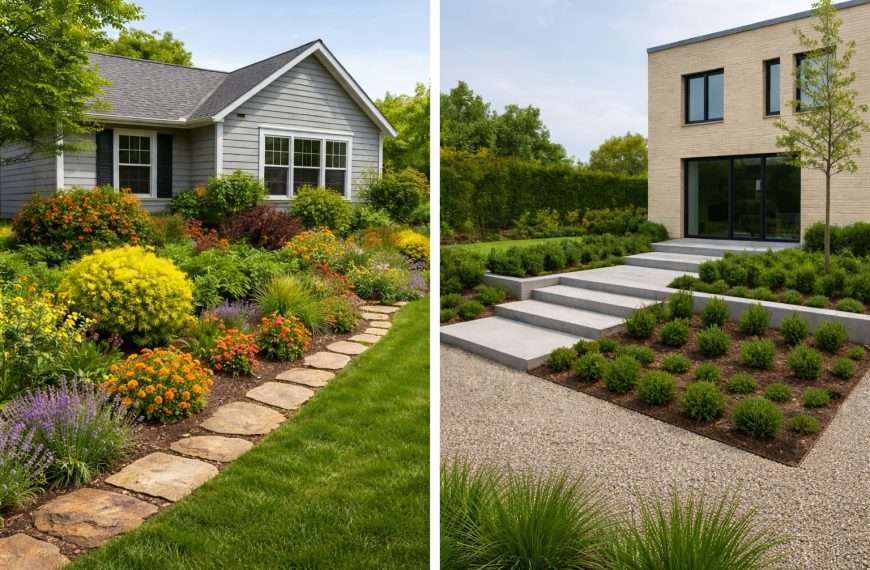
Organic mulch improves soil over time and helps retain moisture, making it ideal for most planting beds. Rock and gravel, on the other hand, are better suited for areas with drainage challenges or where long-term, low-maintenance coverage is preferred. In Dallas landscapes, mulch is typically the better choice for plant health, while rock is used more selectively for drainage and structural design.
What Most Dallas Homeowners Get Wrong About Mulch

One of the most common mistakes we see is choosing mulch based purely on color or price. In North Texas, soil conditions, drainage, and sun exposure matter far more than appearance. Using the wrong material—or installing it incorrectly—can lead to moisture issues, plant stress, and faster breakdown. The best results come from matching the material to the conditions and maintaining it properly over time.
A simple way to choose and apply mulch
Start with your site conditions, not just aesthetics. In Dallas, clay soil, sun exposure, and drainage all play a role in how mulch performs over time. For most properties with heavier soils and moderate shade, native hardwood mulch offers the best balance of moisture retention and long-term soil improvement. Around entryways or foundation beds where visual consistency is a priority, cedar mulch tends to hold its color and structure longer between refreshes.
Pine bark can be a good fit for specific plant types that prefer more acidic conditions, while pecan shell is typically best reserved for contained, low-traffic areas. Rock and gravel should be used selectively, usually in areas where organic material isn’t practical due to drainage, slope, or long-term maintenance considerations.
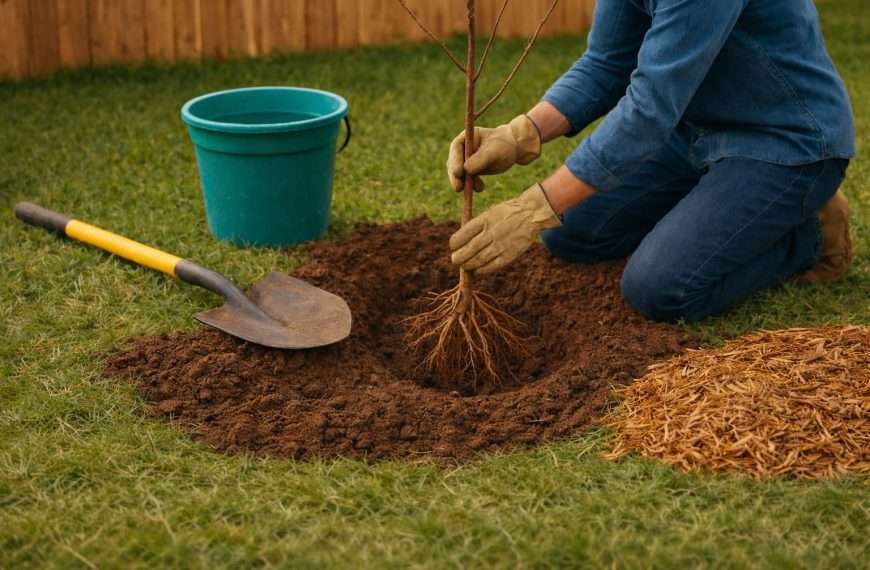
Regardless of material, proper installation is what determines long-term performance. Apply mulch at an average depth of about 3 inches, keep it pulled back from plant stems and tree trunks, and plan for a refresh before peak summer heat sets in. In practice, choosing the best mulch for Dallas landscaping comes down to aligning the material with how the space functions—not just how it looks on day one.
If you’re planning a refresh, you can use our Dallas mulch calculator to quickly estimate how much material you’ll need based on your bed size and depth.
If you’d like help evaluating your beds or planning seasonal updates, you can request a consultation to determine the right approach for your property.