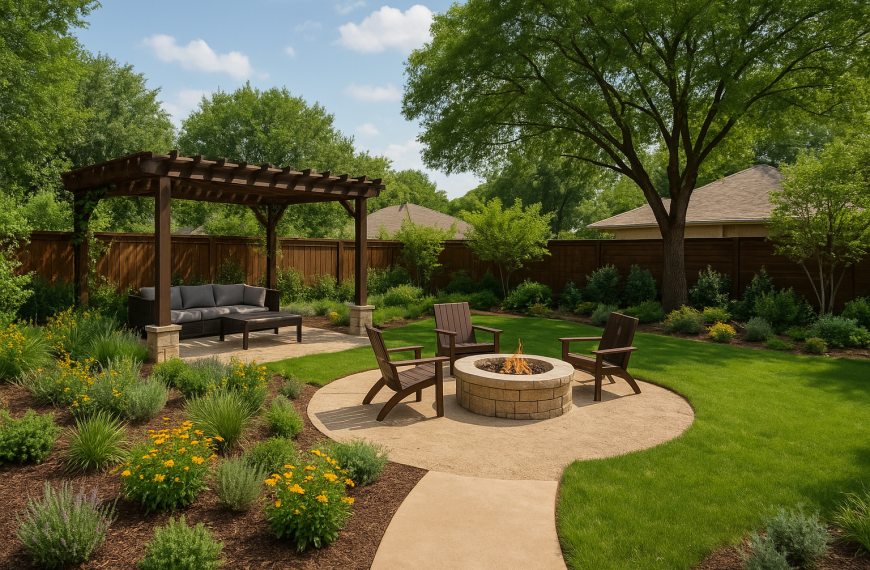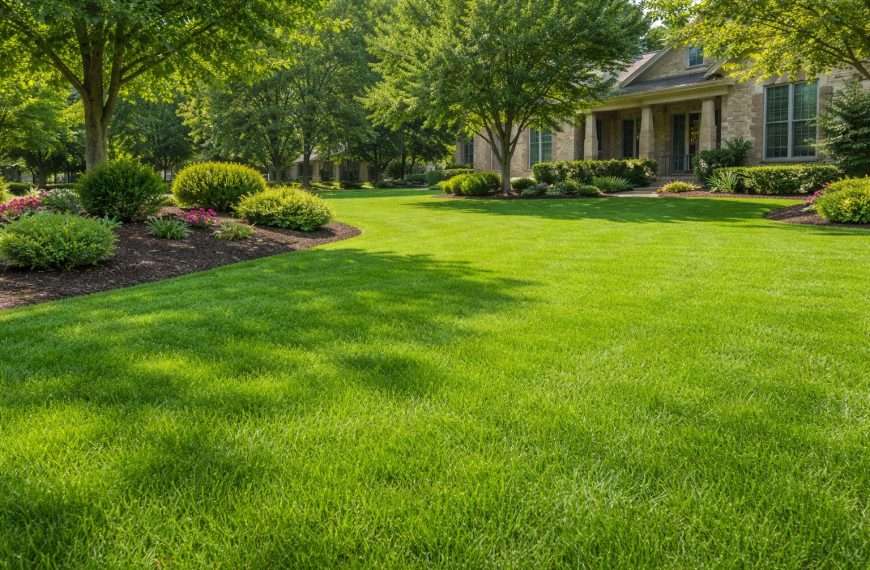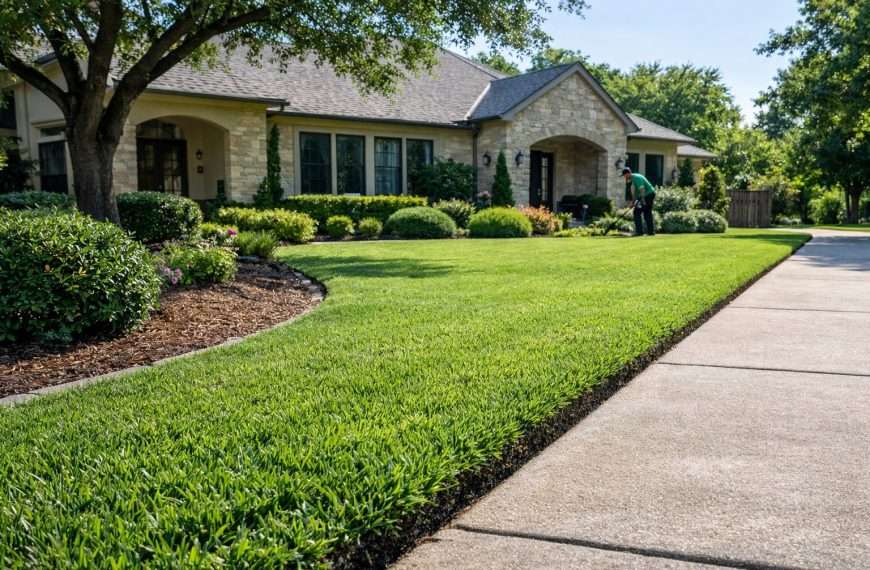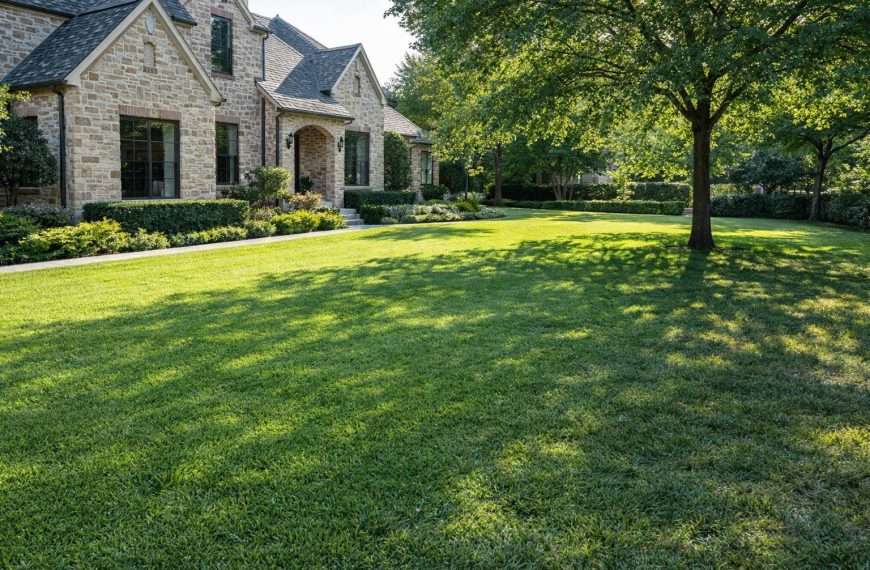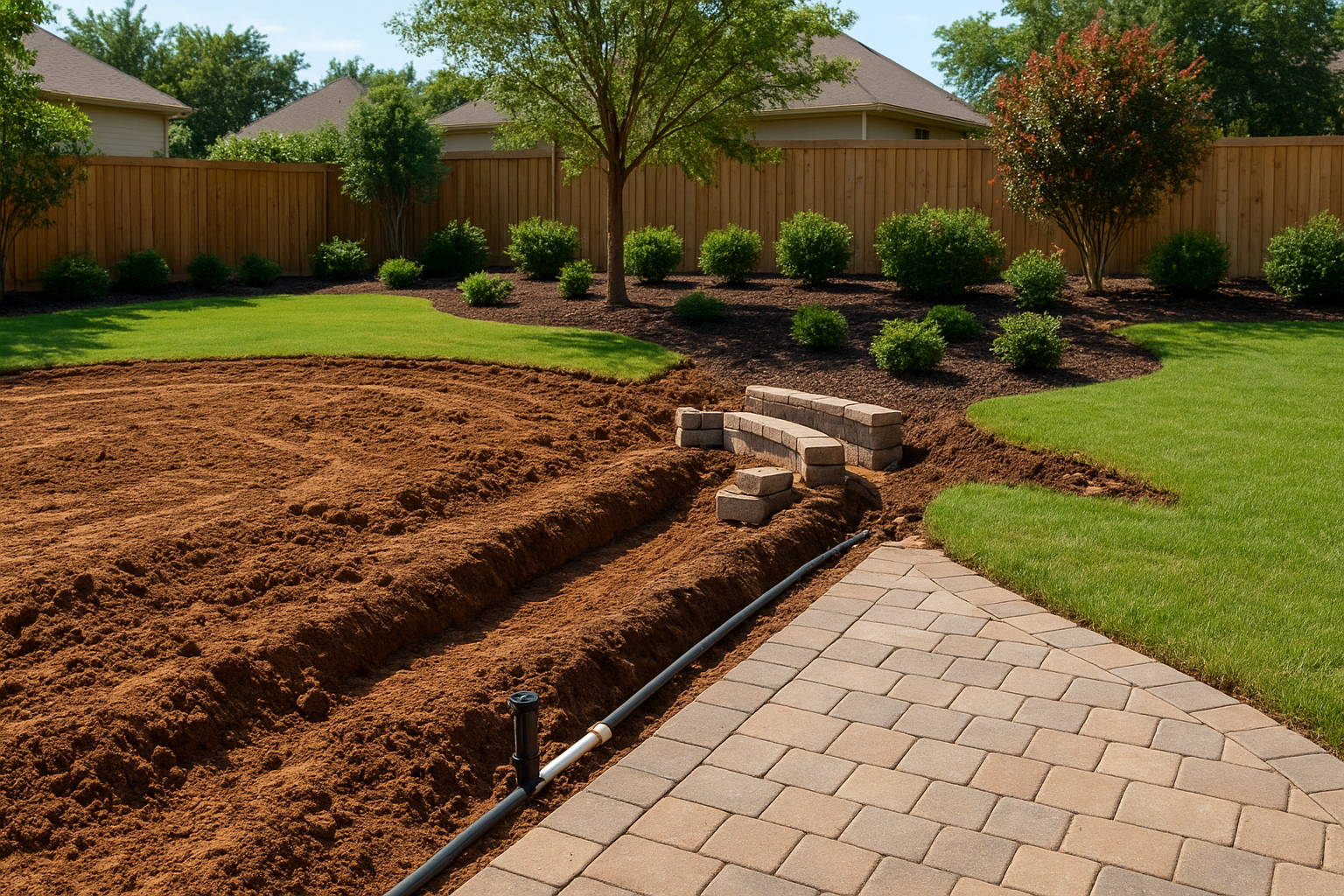
If you’ve ever wondered what is landscape installation, the short answer is this: it’s the process of turning a finished landscape design into a real, functioning outdoor space. That includes everything from grading and soil preparation to planting trees, laying sod, building walkways, and integrating irrigation and lighting systems. It’s where planning ends and construction begins.
But the details matter more than the definition. A landscape installation involves coordinated phases, site preparation, hardscape construction, softscape planting, and system integration, that need to happen in the right sequence to avoid costly rework. For homeowners in Dallas managing established properties with mature trees, existing irrigation, and clay soils, understanding this process helps you evaluate proposals, set realistic budgets, and avoid surprises once work begins.
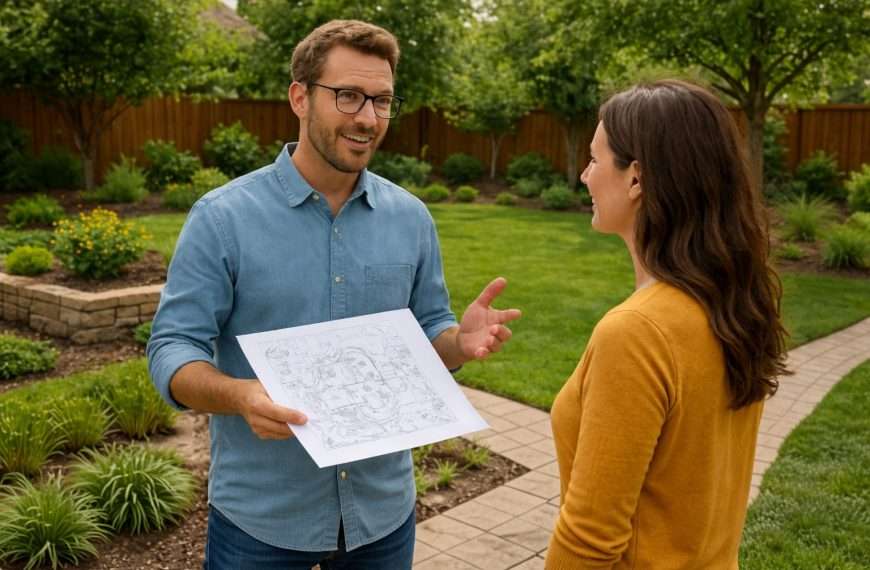
At Greenform Landscapes, we handle landscape design and installation in Dallas from initial concept through final walkthrough, working with properties where the details, drainage patterns, root zones, soil structure, shape every decision on site. This article breaks down each phase of landscape installation, what drives cost, and what to expect at every stage of the process.
What landscape installation includes
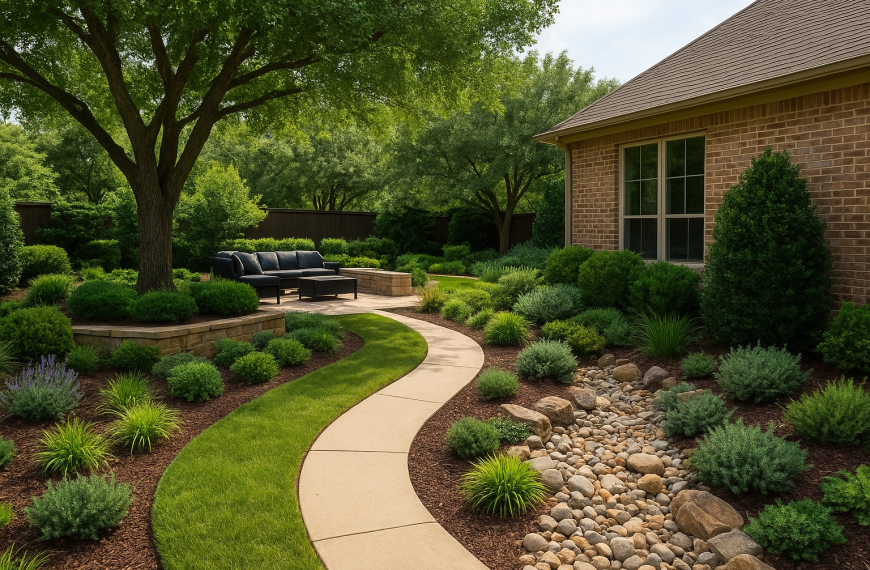
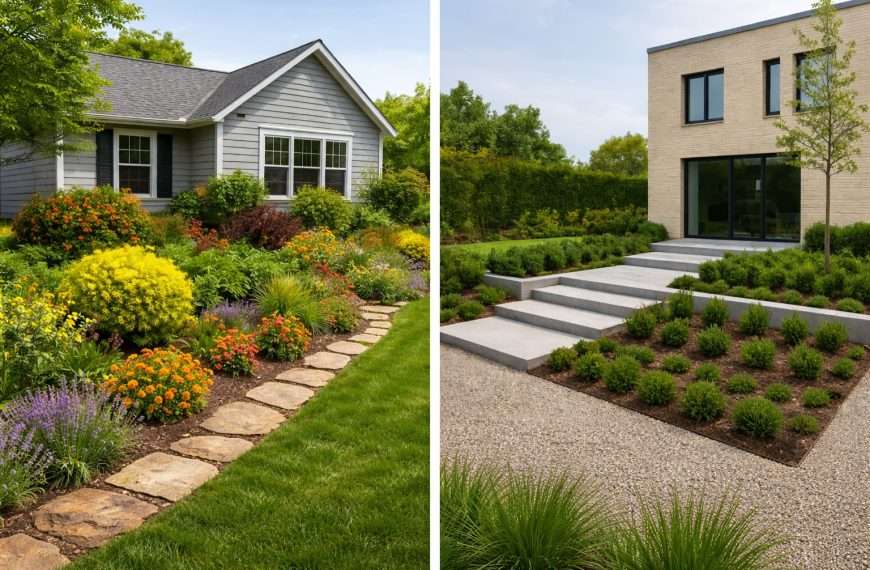
Landscape installation covers a broad range of work, but it divides cleanly into two main categories: hardscape and softscape. Hardscape refers to the non-living structural elements, walkways, patios, retaining walls, raised beds, and edging, while softscape covers everything that grows, including trees, shrubs, groundcovers, ornamental grasses, and turf. Both categories require careful coordination because hardscape work needs to finish before planting begins, and soil conditions underneath influence how both perform over time.
Hardscape: The Structural Foundation
Hardscape is typically the first phase of physical construction once a site has been graded and prepared. This includes poured concrete, natural stone, decomposed granite, or pavers used to build walkways, patios, and steps. Retaining walls fall into this category as well, and on Dallas properties with sloped terrain or clay soils prone to movement, wall design and drainage behind the wall matter significantly. Getting this wrong creates structural problems that surface years later, often requiring full removal and reinstallation.
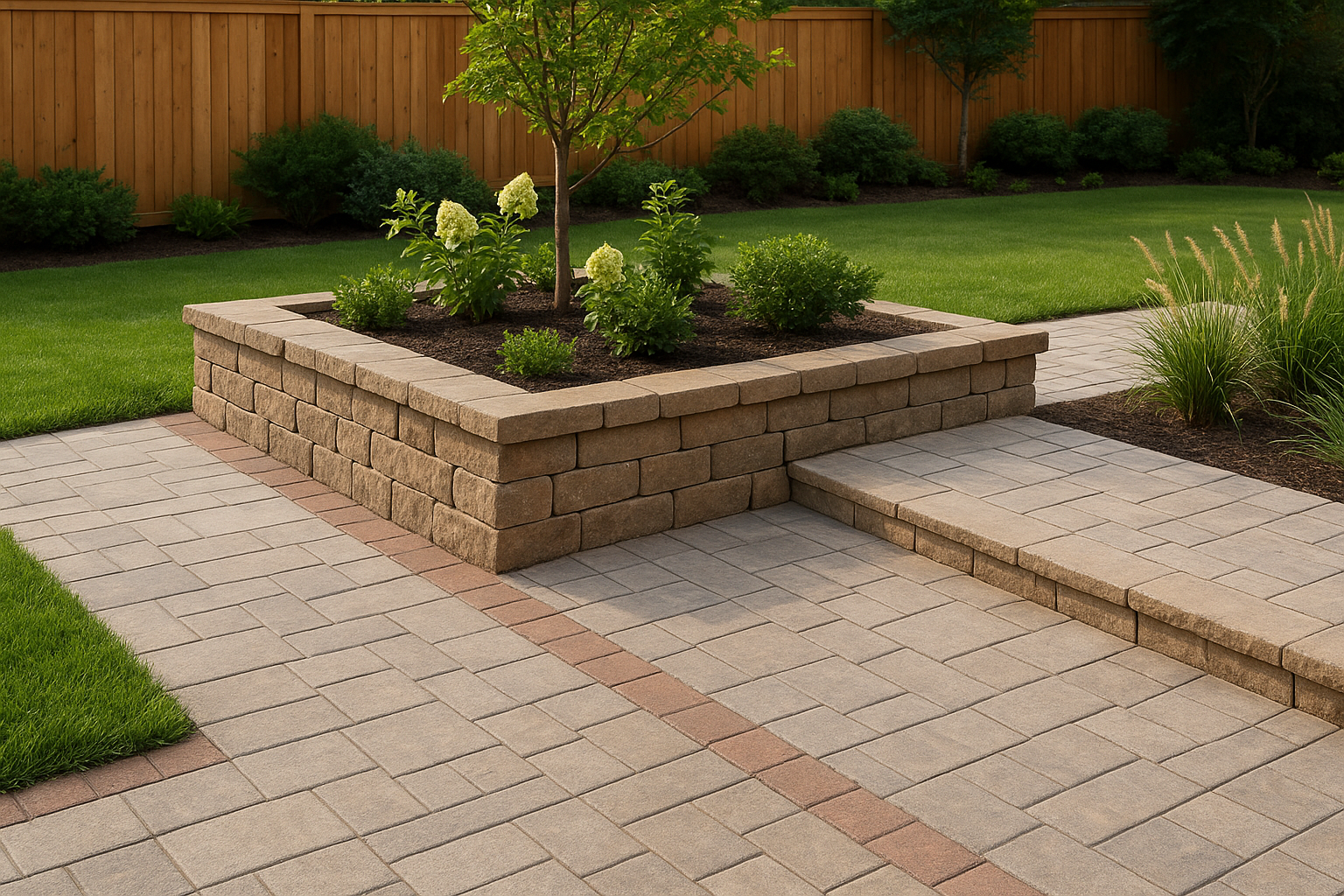
Beyond flat surfaces, hardscape includes raised planters, garden borders, and any built element that defines the spatial layout of the yard. These structures set the geometry of the space and determine where planting areas begin and end. A well-built hardscape provides a stable framework that makes softscape easier to maintain and more consistent over time.
Softscape: Plants, Turf, and Soil
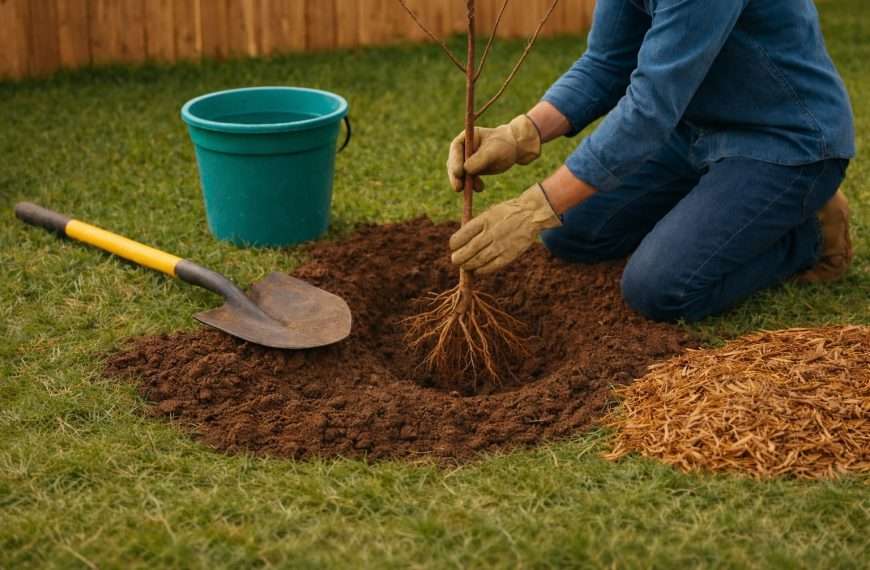
Softscape installation begins once hardscape is complete and grading is confirmed. This phase involves amending soil, selecting plants matched to the site, and installing trees, shrubs, perennials, groundcovers, and sod in a specific sequence. Larger trees typically go in first because the equipment required can damage smaller plants already in the ground.
Soil preparation is often the most overlooked part of softscape installation, but it determines how well every plant performs in the years after work is complete.
In North Texas, clay soil composition creates specific challenges during this phase. Amendments may include expanded shale or structured planting mix added to individual planting holes to improve drainage and root development. Sod selection also needs to match sun exposure and irrigation coverage, which is why sod installation in Dallas typically follows an irrigation adjustment rather than preceding it.
Integrated Systems: Irrigation and Lighting
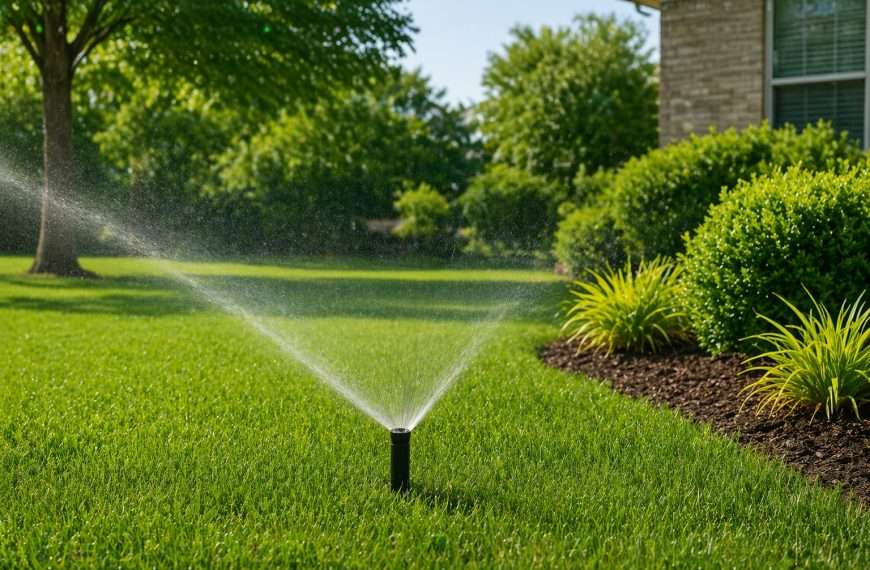
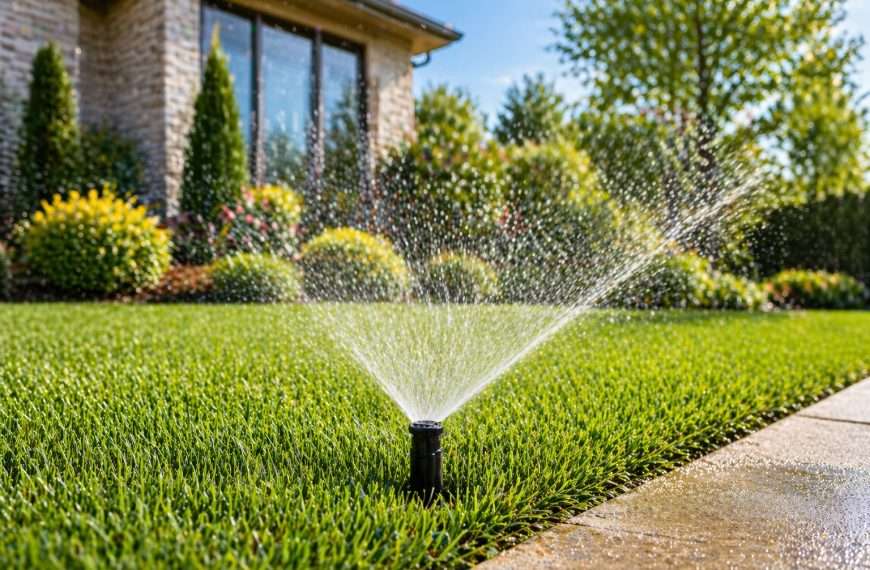
A complete landscape installation also incorporates irrigation and outdoor lighting as embedded systems rather than additions handled after the fact. Irrigation lines run before sod is laid and before planting beds are finalized. Lighting conduit gets set during hardscape construction so wiring never crosses finished surfaces. Coordinating these systems during installation, rather than retrofitting them afterward, reduces disruption and protects the finished work already in place and reduces long-term maintenance complexity.
Why installation quality matters in North Texas
North Texas conditions put every landscape element under stress from the moment installation ends. Understanding what is landscape installation here means understanding that local soil, climate, and drainage patterns affect how well a finished landscape holds up, not just in the first season but over years of heat cycles, drought, and periodic heavy rain. Quality during installation isn’t about premium finishes. It’s about building a landscape that doesn’t require immediate correction.
Clay Soils Require Specific Preparation
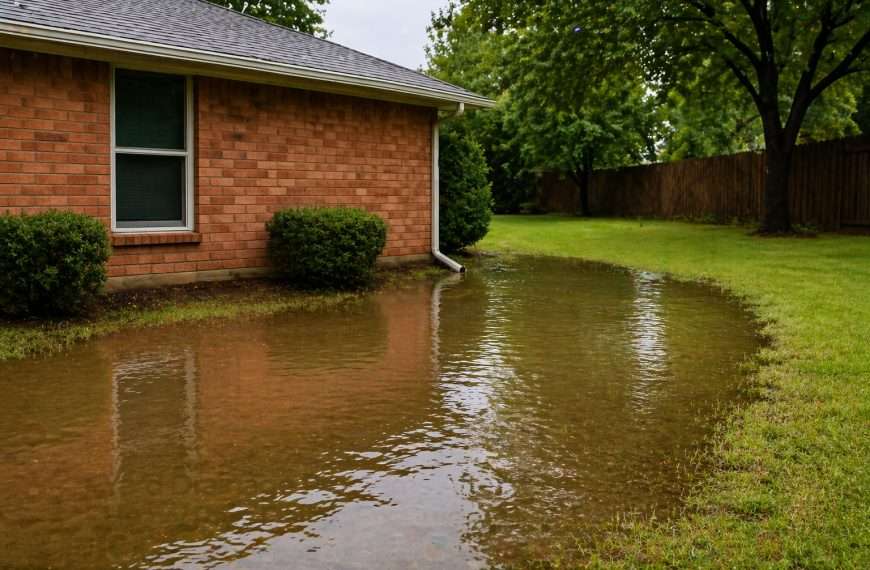
Dallas clay soil expands when wet and contracts when dry, and this movement affects both hardscape and softscape performance. Concrete surfaces crack when the soil beneath shifts. Tree roots struggle in compacted clay that holds standing water after rain but bakes hard in summer. If you skip proper soil preparation during installation, plants underperform and structures show wear faster than comparable work done on more forgiving soil types. The fix usually costs more than doing it right the first time.
Soil preparation decisions made during installation determine plant survival rates, irrigation efficiency, and how much ongoing maintenance your landscape requires in the years that follow.
Amended planting areas, correctly graded surfaces, and drainage designed around clay behavior protect your investment long after the crew leaves the site.
Timing and Sequencing Affect Long-Term Results
Installing plants during peak summer heat or in poorly sequenced phases creates stress that shortens establishment time and increases replacement costs. North Texas summers push soil temperatures high enough to damage root systems in freshly planted material if irrigation coverage isn’t verified before planting is complete. Coordinating your irrigation system repair or setup alongside installation, rather than scheduling it separately, gives every plant the best chance of establishing before the first heat cycle hits.
How the landscape installation process works
Every project follows a defined order of operations, and skipping or rushing any phase creates problems that compound later. Understanding what is landscape installation in practice means tracing the work in sequence. The phases don’t always have clean edges, but the general structure holds across most residential projects in Dallas.
Site Assessment and Preparation
Before any material arrives, the site needs to be evaluated and graded. This means measuring existing slopes, identifying drainage flow, marking irrigation lines, and flagging root zones around mature trees. On established properties, this step takes longer because existing systems and structures require protection throughout construction. Grading adjustments happen here, before hardscape forms go in and before any soil amendment work begins.
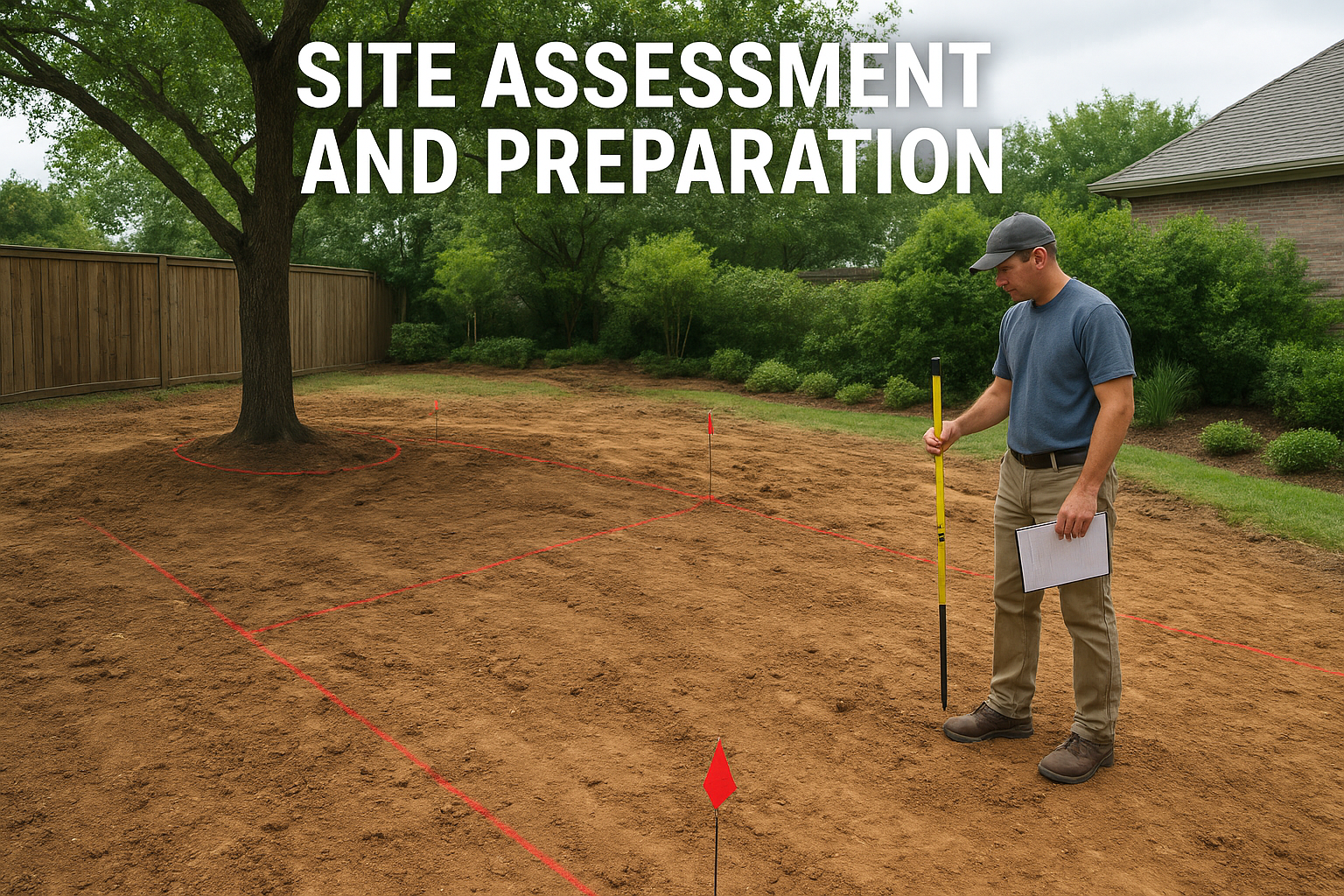
Grading done at the start of a project prevents drainage problems that are expensive to fix once planting and hardscape are complete.
Hardscape Construction and System Rough-In
Once grading is confirmed, hardscape construction begins. Crews build structural elements like patios, walkways, and retaining walls while irrigation and lighting conduit get set simultaneously. Coordinating these systems during hardscape reduces the need to cut through finished surfaces later. This phase typically takes the most calendar time on larger projects because concrete cure times and material lead times both affect scheduling.
Planting and Final Integration
Planting follows once hardscape is complete and soil preparation is confirmed. The installation sequence matters:
- Large trees and structural shrubs
- Perennials and groundcovers
- Sod installation
- Irrigation head adjustment and lighting fixture placement
After planting is complete, your final walkthrough should confirm that every system works together as intended. Irrigation coverage needs to match the updated plant layout, and lighting placement should be verified before the project closes out.
Costs, timelines, and budget ranges
Cost ranges for landscape installation vary widely depending on project scope, site conditions, and which systems are included. Understanding what is landscape installation means recognizing that soil prep, drainage, and system integration all add to the total, and skipping them to save money upfront typically creates more expense later. For established Dallas properties, budget planning should account for site-specific conditions like clay soil depth, mature tree proximity, and existing irrigation that may need reconfiguration before new work can begin.
What drives installation costs
Several factors push project costs higher than initial estimates suggest. Site access limitations on tight residential lots, removal of existing plant material, and the complexity of routing irrigation around mature root zones all add labor time. On sloped properties, retaining wall requirements can represent a significant portion of total project cost on their own.
Material selection also shifts the budget considerably. Natural limestone or flagstone runs two to three times the cost of concrete pavers, and the installation labor for irregular stone is higher as well.
Plant selection is another variable that compounds quickly. Large-caliper trees installed by crane carry a cost premium over smaller nursery stock, but they deliver immediate visual structure and canopy that smaller plants take years to provide. Your contractor should present both options with honest trade-offs rather than defaulting to one approach.
Typical timelines by project scope
Smaller residential installations covering a single zone or garden bed refresh typically complete in one to two weeks depending on material lead times. Full backyard projects that include hardscape, planting, irrigation, and lighting run four to eight weeks once work starts, with hardscape cure times being the most common scheduling factor. Getting material orders placed before demolition begins reduces the gap between phases considerably.
Common mistakes and how to avoid them
Part of understanding what is landscape installation is knowing where projects go wrong. Most mistakes don’t come from poor craftsmanship; they come from decisions made too early in the planning process that lock in problems before any work begins. Recognizing these patterns helps you ask better questions before signing off on a proposal.
Underestimating site preparation
Homeowners frequently focus on the finished visual elements, plants, stone, and lighting, while treating grading and soil work as optional line items to reduce. Skipping proper site preparation on Dallas clay almost always produces drainage problems, poor plant establishment, and premature hardscape cracking that require correction within the first two or three seasons. The work that happens before any material arrives on site determines how well everything else performs.
Soil preparation and grading aren’t costs you cut to stay on budget; they’re the reason your budget holds up over time.
Confirm that your proposal includes a clear scope of soil amendment, grade adjustment, and drainage planning before any other line items get reviewed.
Installing systems in the wrong sequence
Irrigation and lighting need to be roughed in during hardscape construction, not added after the patio or walkway is already finished. When contractors install these systems out of sequence, lines run across finished surfaces, conduit gets buried under recently planted beds, and accessing any component later means disturbing completed work. This mistake is common when irrigation, lighting, and hardscape are bid separately by different crews without a coordinated schedule.
Ask your contractor directly how system integration is sequenced within the overall project timeline. If irrigation and lighting aren’t mentioned alongside hardscape construction as a parallel phase, the proposal likely doesn’t account for this coordination, and you’ll pay for it later in disruption costs or reduced system access.
A clear way to move forward
Understanding what is landscape installation gives you a clearer foundation for evaluating proposals, planning a budget, and setting realistic expectations before work starts. The most successful projects share a common thread: homeowners who understood the process asked better questions, caught sequencing problems before they became expensive, and got finished landscapes that held up well through the first several North Texas summers. That knowledge doesn’t require technical expertise. It requires knowing which phases matter and what to look for at each stage.
If your property is ready for a redesign, a new hardscape, or a full planting renovation, the next step is an on-site evaluation that accounts for your specific soil conditions, drainage patterns, and existing systems. You can browse completed projects across Dallas neighborhoods to get a sense of what the process looks like in practice, or request a consultation to talk through your project directly with our team.