Most homeowners want a straight answer to the question: how long does sod take to root? The short version is 10 to 21 days for initial anchoring, with full establishment taking several weeks beyond that. But in North Texas, the real answer depends heavily on when the sod goes down, and what’s happening in the soil beneath it.
Dallas-area properties deal with a specific set of conditions that directly affect rooting speed. Heavy clay soils, surface temperatures that can exceed 140°F in July, and unpredictable winter cold fronts all play a role in how quickly, or slowly, new sod knits into the ground. A piece of Bermuda laid in late April behaves very differently than the same piece laid in October, and the care each one needs during establishment isn’t interchangeable.
At Greenform Landscapes, we install and maintain sod across established Dallas neighborhoods, from Preston Hollow to Lakewood, and we see firsthand how season and site conditions shape the rooting timeline. This article breaks down what to expect by season, which factors matter most, and how to confirm your sod is actually taking hold rather than just sitting on top of the soil.
What “rooting” means for new sod
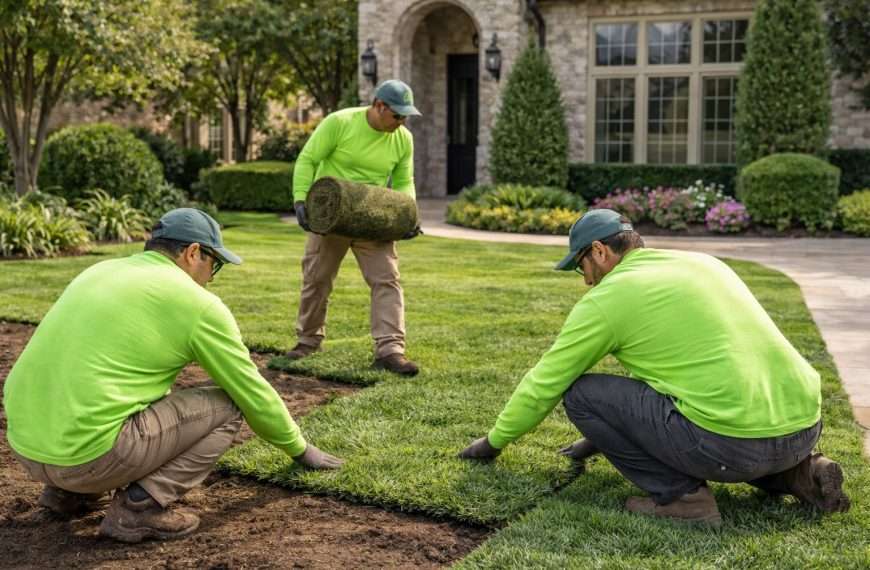
When people ask how long does sod take to root, they’re usually picturing one thing: whether the grass looks green and attached to the ground. But rooting is a biological process happening underground, not something visible from the surface. When sod is installed, it arrives as a harvested layer of grass held together by a thin band of soil and its existing root mass. That layer needs to grow new roots downward into your native soil, forming a connection that anchors the turf and allows it to draw water and nutrients on its own.
Until that connection forms, your sod is surviving entirely on the moisture and nutrients stored in the thin layer it arrived with.
The two stages of sod rooting
Rooting happens in two distinct phases, and understanding both helps you manage the establishment period accurately. The first phase is initial anchoring, which typically occurs within the first 10 to 21 days. During this window, the sod sends shallow roots into the upper layer of your soil, making the turf resist lifting when you tug at a corner. Homeowners often mistake this phase for full establishment, but it only marks the beginning of the process.
The second phase is deep root development, which extends from roughly three weeks to six weeks or longer depending on conditions. During this stage, roots push further into your native soil profile, building the water and nutrient access the turf needs to handle heat stress, foot traffic, and dry spells. In North Texas clay soils, this second phase can stretch well beyond six weeks if moisture and temperature conditions aren’t managed carefully.
What’s actually happening in the soil
Below the surface, root tips grow across the contact zone between the sod’s original growing medium and your yard’s native soil. This interface is where rooting either advances or stalls. If your soil dries out too quickly, roots won’t cross it. If it stays consistently waterlogged, the root zone loses oxygen and development slows considerably.
Soil temperature drives much of this activity throughout the process. Warm-season grasses common in Dallas, including Bermuda and Zoysia, root most aggressively when soil temperatures hold between 65°F and 85°F. Outside that range, rooting slows significantly regardless of how consistently you water.
North Texas rooting timeline by season
Understanding how long does sod take to root in Dallas requires looking at the calendar, not just the installation date. Soil temperature, surface heat, and seasonal moisture patterns shift dramatically across the year, and each season creates a different rooting environment for your new turf.
Spring (March to May)
Spring is the most dependable installation window for Bermuda and Zoysia in North Texas. Soil temperatures climb steadily through April into May, and moderate air temperatures reduce the evaporation rate at the surface. Initial anchoring typically completes within 10 to 14 days, and deep root development can advance meaningfully by the six-week mark if you maintain consistent moisture.
Spring-installed sod enters its active growing season right after anchoring, which gives the root system time to deepen before summer heat arrives.
Summer (June to September)
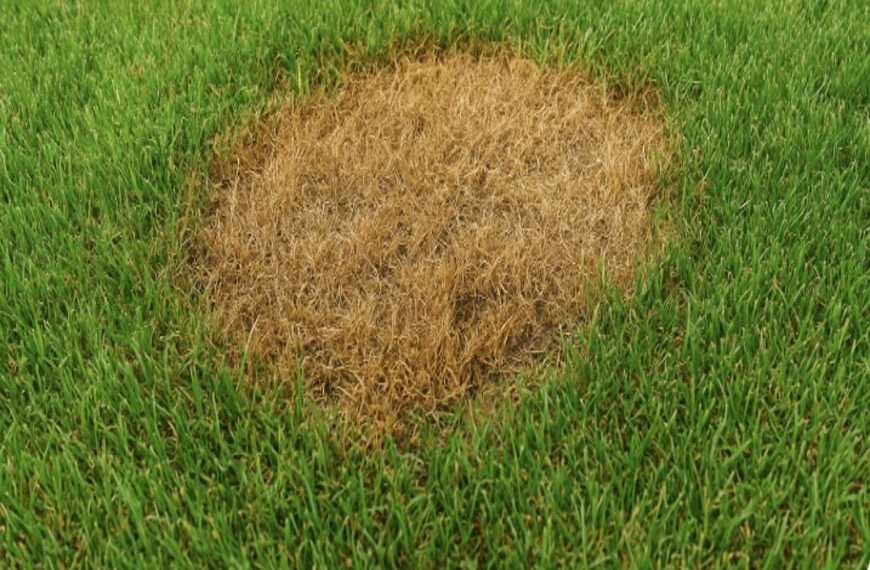
Summer installation carries real risk in Dallas. Soil surface temperatures can exceed 140°F, which stresses root tips at the contact zone and forces much more frequent irrigation just to prevent die-back. Rooting can still occur, but initial anchoring often stretches to 21 days or beyond, and deep establishment may not fully complete before fall.
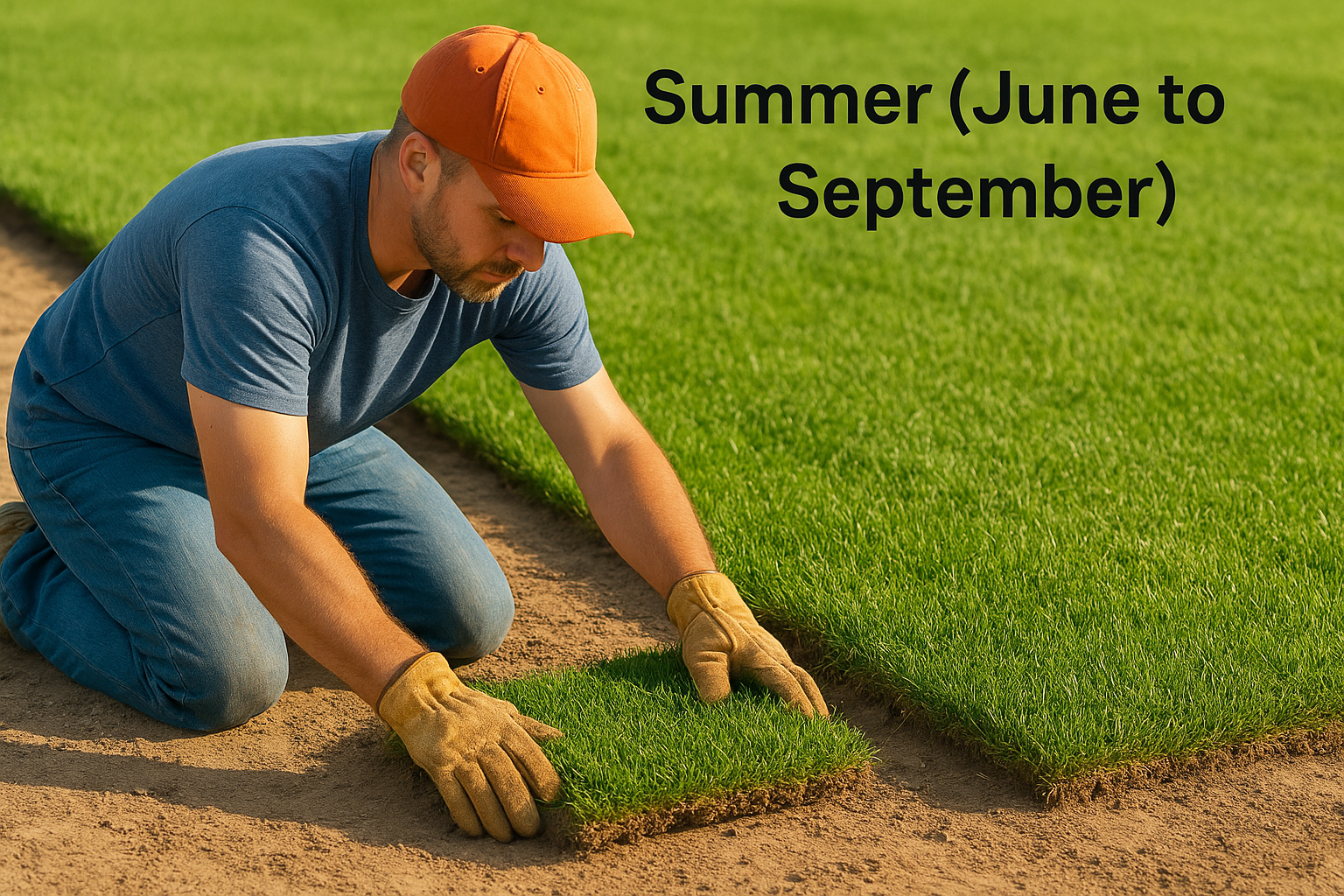
Your watering schedule becomes the main factor keeping summer-installed sod alive during this window.
Fall (October to November)
Fall offers a workable but shrinking window for Bermuda. Soil temperatures in early October still support active rooting, and initial anchoring may complete within two to three weeks. However, deep root development slows considerably by mid-November as soil temperatures drop below the threshold warm-season grasses need, resuming only after the following spring warmup.
What changes the rooting timeline in Dallas yards
Several site-specific variables directly affect how long does sod take to root on your property, and two of them carry more weight than anything else in the Dallas area: soil condition and grass variety.
Soil contact and compaction
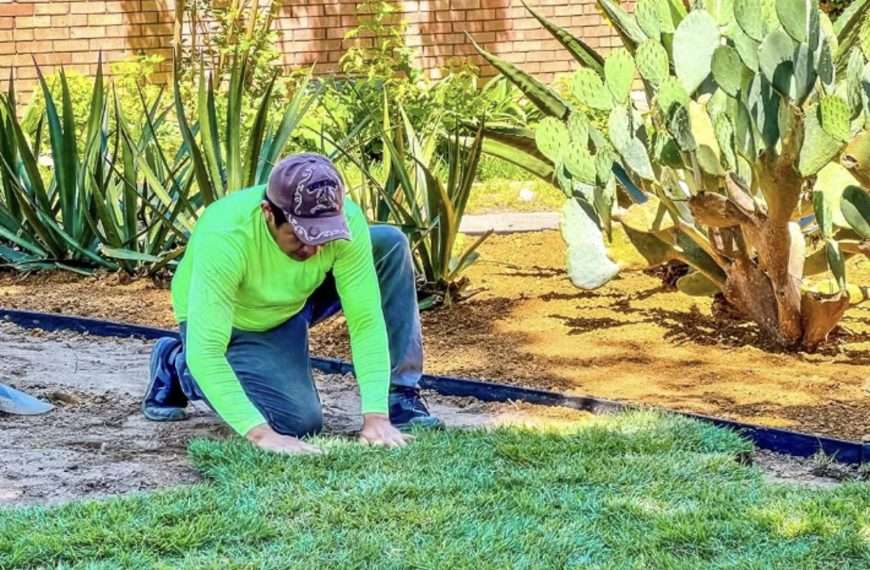
Your sod needs direct, firm contact with the native soil beneath it to root effectively. Any gap, air pocket, or loose surface between the sod layer and your yard’s soil interrupts that process. Dallas properties with heavy clay soils often develop a hard surface layer, especially after summer heat. When that crust isn’t loosened before installation, root tips struggle to penetrate it.
Proper soil preparation before laying sod is one of the most reliable ways to shorten the establishment window.
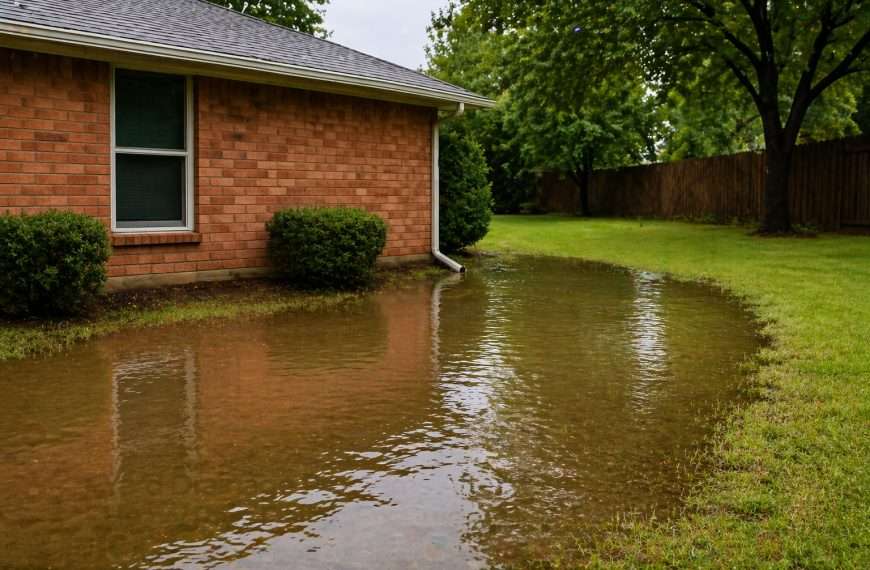
Compaction also limits oxygen movement through the soil profile. Roots need both moisture and air, and dense clay with poor drainage cuts off one of those requirements during wet periods, stalling development even when temperatures are ideal.
Grass variety and sod age
Bermuda grass roots more aggressively than Zoysia under most North Texas conditions, particularly in warmer months. Zoysia establishes more slowly but tends to form a denser, more drought-resilient root system once it anchors. The age and freshness of the sod at installation also matters: sod that spent more than 24 hours on a pallet before going down arrives stressed, and that stress slows the rooting response during the first two weeks.
How to tell when sod has taken root
Knowing how long does sod take to root matters less if you can’t confirm whether yours actually has. Surface appearance tells you very little during the first few weeks. Green color and upright blade growth can persist on sod that hasn’t rooted at all, because the turf is still drawing from the moisture and nutrients in its original growing medium. You need to test what’s happening below the surface.
The tug test
The most direct method is a simple resistance test. Grab a corner or edge of the sod and pull upward with moderate force. Unrooted sod lifts cleanly with minimal resistance. Sod that has begun anchoring will push back, and you’ll feel the turf holding its position rather than peeling away from the soil. Repeat this in multiple spots across the installation, particularly along seams and in areas with more shade or compaction, since rooting rarely progresses at the same rate across an entire yard.
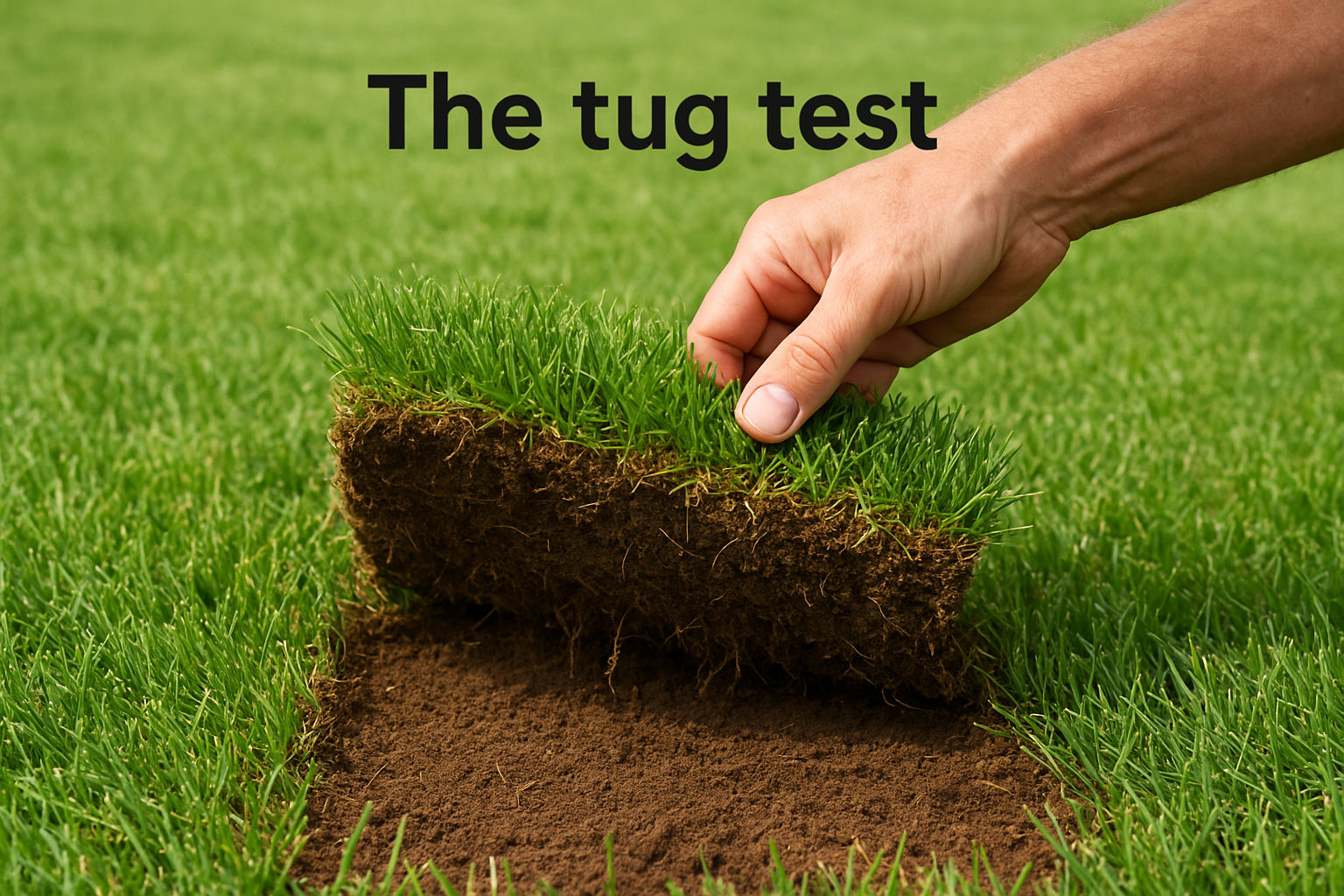
Do not perform this test daily. Pulling at the turf repeatedly during the first two weeks disrupts the fragile root tips forming at the contact zone.
Physical signs at the surface
Beyond the tug test, healthy rooting shows in how the sod responds to water. Once roots begin drawing moisture from your native soil, the turf stays firmer and more resilient after watering rather than shifting slightly underfoot. You may also notice the seam lines between sod pieces becoming less visible as the turf fills in laterally, which reflects active growth driven by an establishing root system.
Care plan for the first six weeks after install
The six weeks following installation represent the most critical window in determining how long does sod take to root on your property. Your decisions during this period, particularly around watering frequency and foot traffic, either support or interrupt the biological work happening underground.
Weeks one and two: moisture is the priority
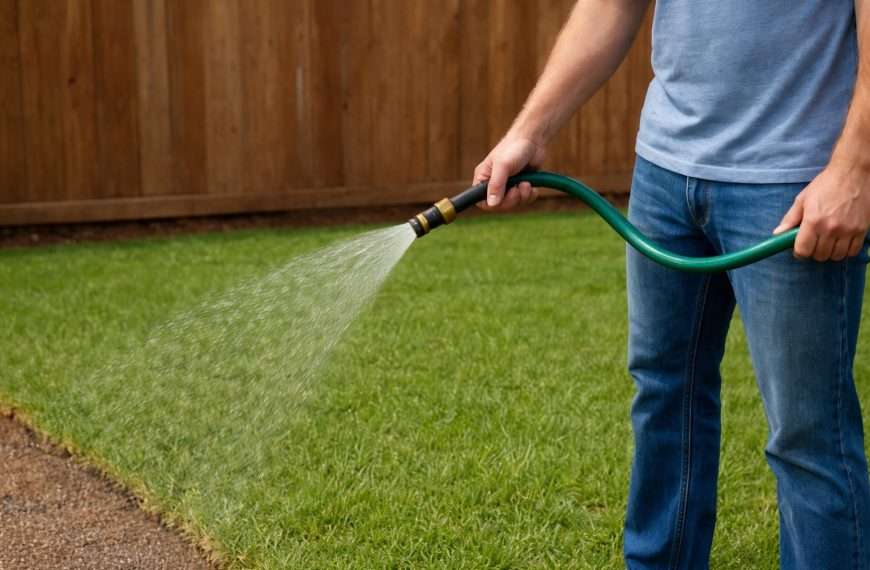
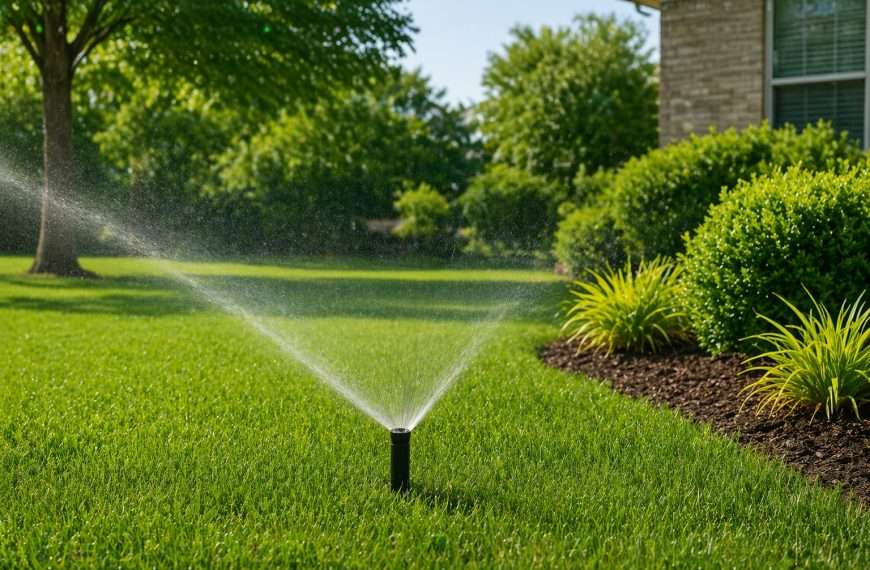
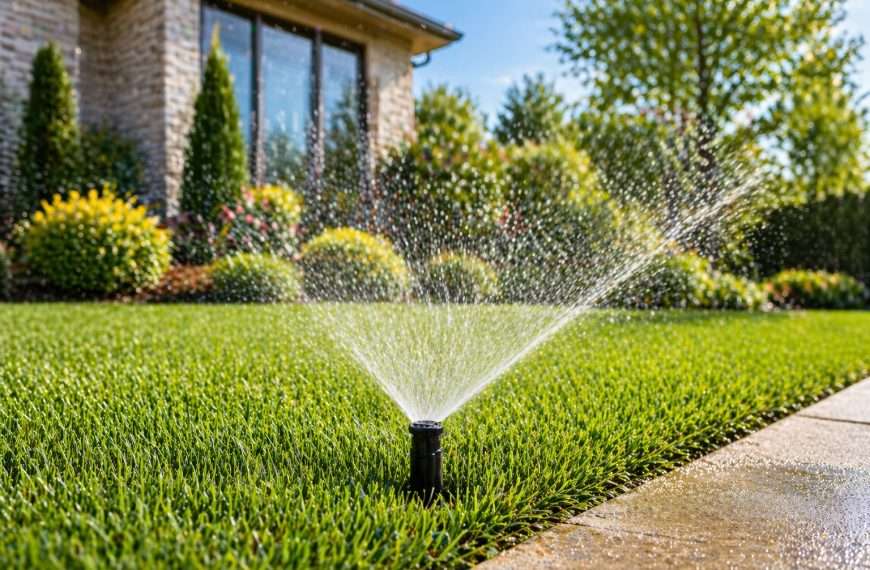
During the first two weeks, your goal is keeping the contact zone between the sod and native soil consistently moist without saturating it. In North Texas, that typically means watering two to three times per day during warm months, pulling back to once daily in cooler conditions. Keep all foot traffic off the turf during this window. Even light pressure on unrooted sod can break the fragile root tips forming at the soil interface.
Watering too heavily in clay soils pushes oxygen out of the root zone, which stalls development just as effectively as drought stress does.
Weeks three through six: reduce and observe
Once the tug test confirms initial anchoring, begin reducing watering frequency while increasing the volume per session. This shift encourages roots to follow moisture deeper into the soil profile rather than staying near the surface. By week four, most spring-installed Bermuda in Dallas can handle watering once every two days. Watch for any dry patches or areas where the turf lifts easily, as these spots may need supplemental attention before you resume normal maintenance. Hold off on mowing until the grass reaches the upper end of its recommended height range, which confirms the root system has enough depth to tolerate the stress of cutting.
Final takeaways for a solid root system
How long does sod take to root comes down to three variables working together: season, soil condition, and how consistently you manage moisture during the first six weeks. Spring installation gives you the most reliable window in North Texas, but every season can produce solid results when the site is prepared correctly and the watering schedule matches the conditions on the ground. Skipping soil prep or overwatering during the anchoring phase costs more time in recovery than it saves.
Your most important job after installation is protecting that underground contact zone until roots push deep enough to support the turf on their own. Use the tug test, watch how the surface responds to water, and hold off on full mowing until the grass confirms it’s ready. If you’d like help planning a sod installation or evaluating your site conditions before laying turf, request a consultation to walk through the right approach for your property.