Spring in North Texas arrives fast, and so do the urges to fertilize, mow short, and "get ahead" of the season. But most of the spring lawn mistakes North Texas homeowners make don’t come from neglect. They come from acting too early or too aggressively before the lawn is ready.
The combination of clay soils, unpredictable late-season cold snaps, and warm-season turf that’s still dormant in early March creates a narrow window where timing matters more than effort. Properties across neighborhoods like Preston Hollow and Lakewood deal with these same patterns every year, and the difference between a lawn that thrives by May and one that struggles often comes down to what didn’t happen in March and April.
At Greenform Landscapes, we see these missteps regularly across Dallas-area properties we maintain. Below are five of the most common spring lawn mistakes worth avoiding this season, and what to do instead.
1. Skipping a property-specific spring walkthrough
Most homeowners move into spring tasks based on calendar dates rather than what their property is actually showing. Without a walkthrough first, you’re working from assumptions, and in North Texas, those assumptions tend to be wrong more often than they’re right.
What it looks like
You schedule fertilizer delivery, pull out the mower, and start irrigation on a fixed March date because that’s what you did last year. No one walks the beds, checks the turf for dormancy, or looks at drainage areas after winter. The yard gets treated as a single unit rather than a set of distinct microclimates that each carry through winter differently.
Why it backfires in North Texas
North Texas clay soils retain cold longer than sandy or loam soils do. A shaded bed on the north side of a property can still be completely dormant while the sunny south-facing turf looks ready to grow. Applying the same treatment across both zones at the same time puts unnecessary stress on areas that haven’t recovered yet.
Skipping the walkthrough means making decisions based on the calendar, not the conditions in front of you.
What to do instead
Walk the full perimeter of your yard before taking any action. Look at turf color and texture, check for standing water or compaction from winter foot traffic, and inspect beds for dieback or pest damage.
Note which areas receive full sun versus those that stay shaded through mid-morning. That distinction alone changes how you’ll sequence your spring work.
Timing and signs to watch
Plan your walkthrough after daytime temperatures have stayed consistently above 60°F for at least a week. Look for new growth at the base of warm-season grass, not just green tips, which can appear prematurely after a brief mild stretch. Waiting for genuine soil activity before committing to any application or service prevents you from wasting resources and stressing turf that isn’t ready.
2. Fertilizing before the lawn truly wakes up
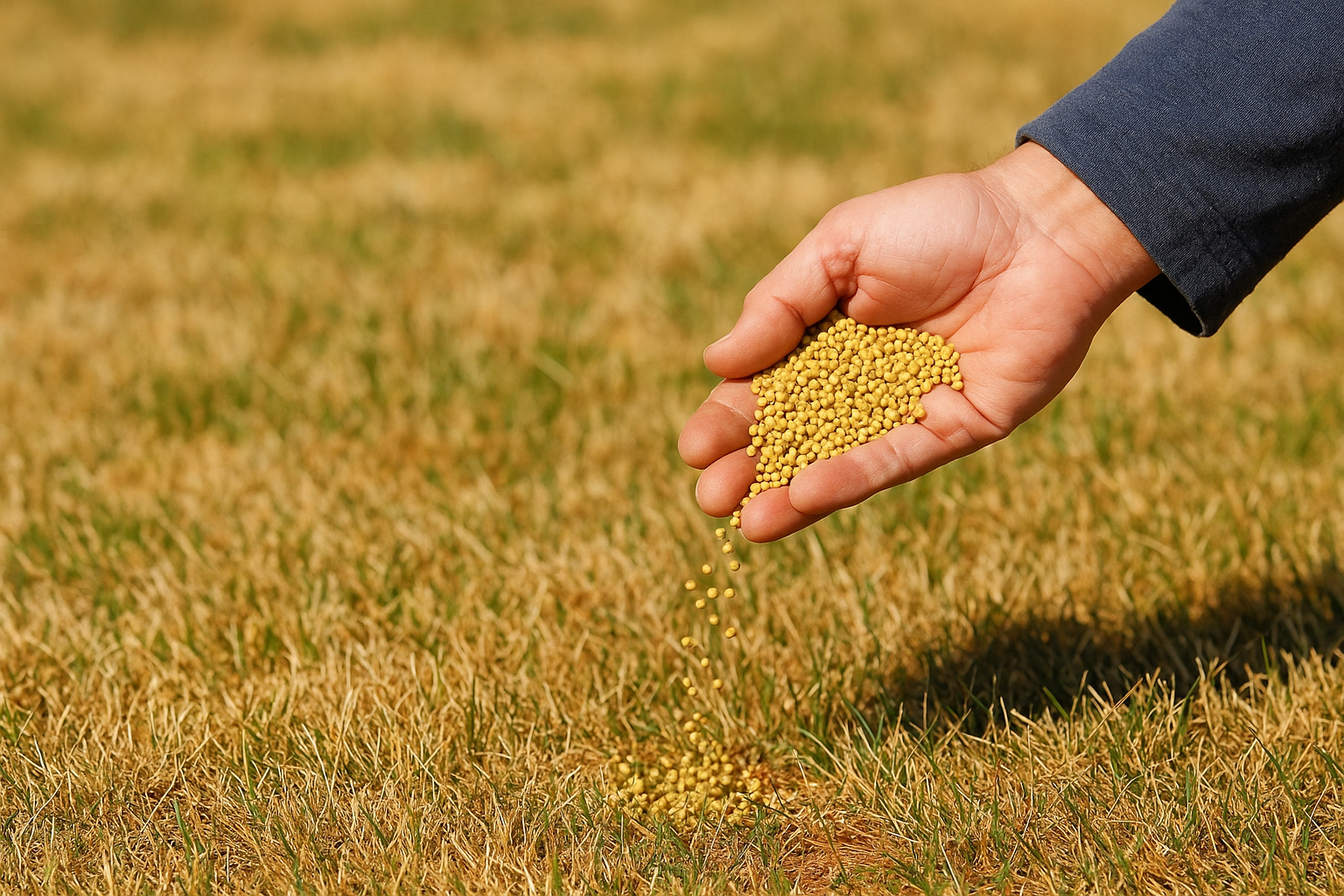
Fertilizing is one of the most repeated spring lawn mistakes North Texas homeowners make season after season. The instinct to feed a pale lawn early feels logical, but applying nutrients before the turf is ready to use them produces worse results than waiting.
What it looks like
You put down a nitrogen-heavy fertilizer in early March because the lawn looks dull and you want to push green growth. The product gets applied before soil temperatures have reached the threshold warm-season grasses need to actively absorb nutrients.
Why it backfires in North Texas
Bermuda and St. Augustine both require soil temperatures of at least 65°F at a 4-inch depth before they begin active root uptake. Applying fertilizer before that point means the nutrients sit in your clay-heavy soil, where they break down and run off rather than get absorbed.
Fertilizer applied to a dormant lawn doesn’t feed the turf. It feeds the weeds.
What to do instead
Hold off on any nitrogen application until you see consistent lateral spread, not just a few green shoots after a warm week. A basic soil thermometer gives you an accurate, reliable read before committing.
Timing and signs to watch
In Dallas, soil temperatures typically reach 65°F between mid-April and early May depending on the season. Wait for strong, uniform color return across the full lawn before you fertilize.
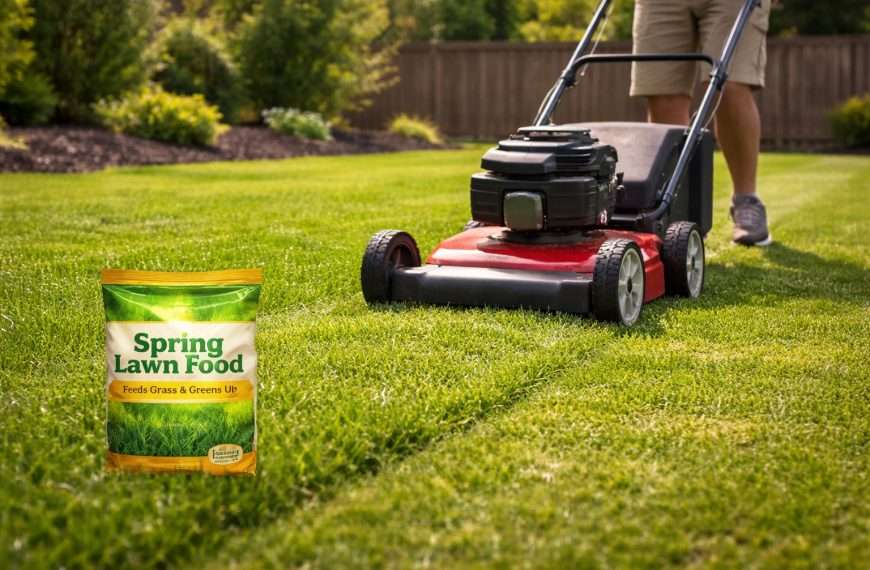
3. Mowing too low to force a fast green-up
Cutting the lawn short in early spring feels like a way to accelerate green-up, but it puts real stress on turf that hasn’t fully recovered from dormancy. Mowing height and root depth are directly connected, and sacrificing one to rush the other creates problems that show up weeks later.
What it looks like
You drop the mower deck in late February or early March to scalp off the straw-colored surface and expose the crown to sunlight. The reasoning makes sense, but the turf still lacks the root energy and active growth needed to recover from that kind of cut.
Why it backfires in North Texas
Scalping warm-season grass before dormancy breaks removes the buffer the plant relies on during late cold snaps.
Bermuda and St. Augustine both carry stored energy in their crowns through winter. Strip that layer too early, and a late March cold front can set the lawn back by several weeks.
What to do instead
Keep your mowing height at the upper range for your grass type through early spring. For Bermuda, that’s roughly 1.5 to 2 inches; for St. Augustine, hold closer to 3 to 3.5 inches until growth is consistent.
Timing and signs to watch
Wait until uniform green coverage returns across at least 75 percent of the lawn before lowering your cut height. That consistent color return across the full yard tells you the turf has enough active growth to handle the adjustment without stress.
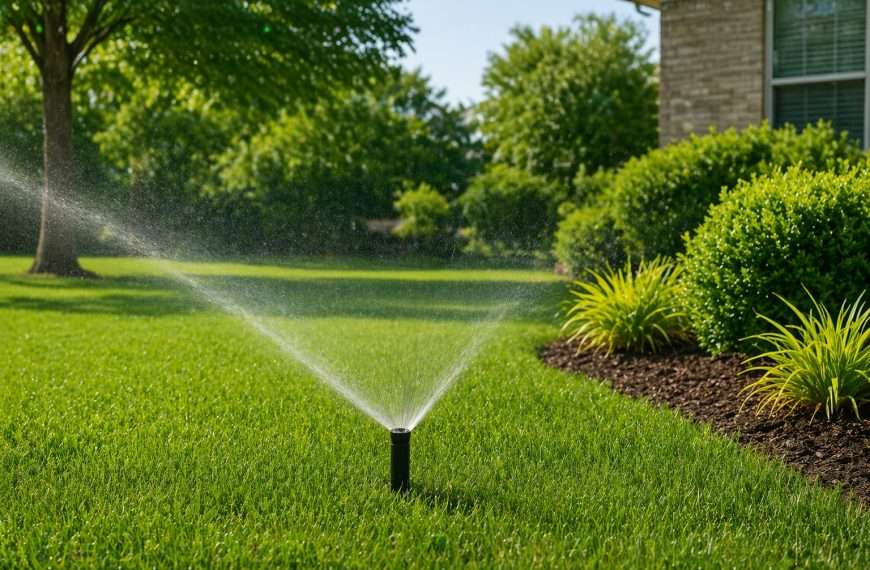
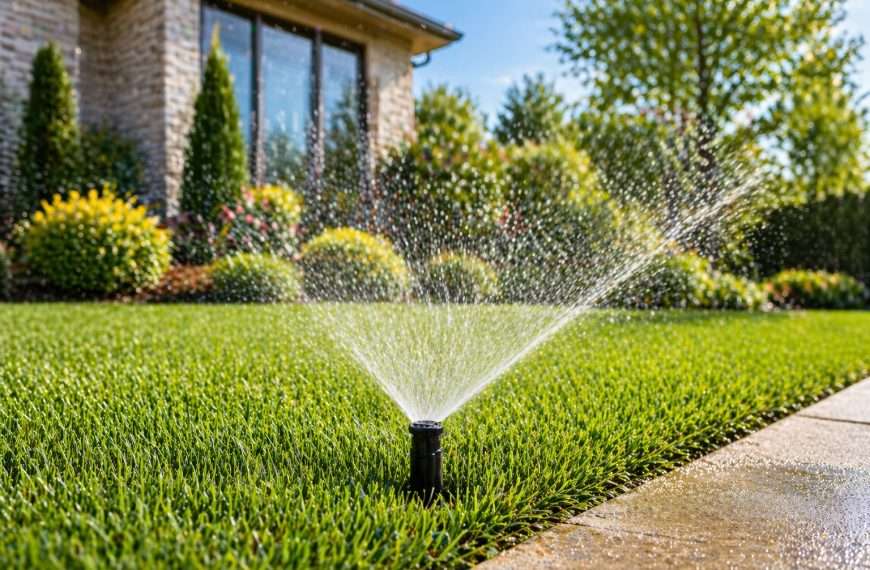
4. Watering on a summer schedule in early spring
One of the more overlooked spring lawn mistakes North Texas homeowners repeat is running irrigation as though summer has already arrived. Early spring conditions don’t demand summer-level water volume, and overwatering a lawn that isn’t actively growing yet creates more problems than it solves.
What it looks like
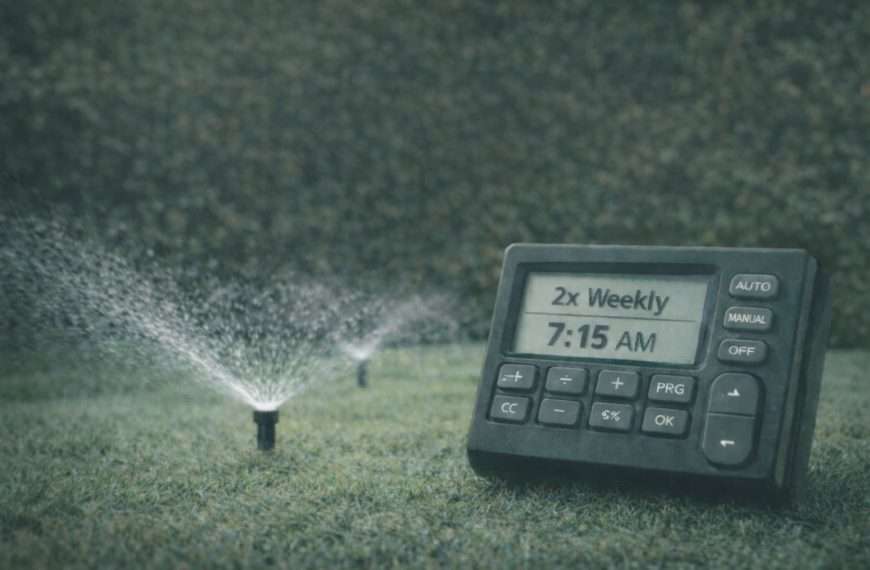
You turn the irrigation system back on in early March and program it to run three to four times per week, the same schedule you used in August. The lawn looks dry from winter, so more water feels like the right call.
Why it backfires in North Texas
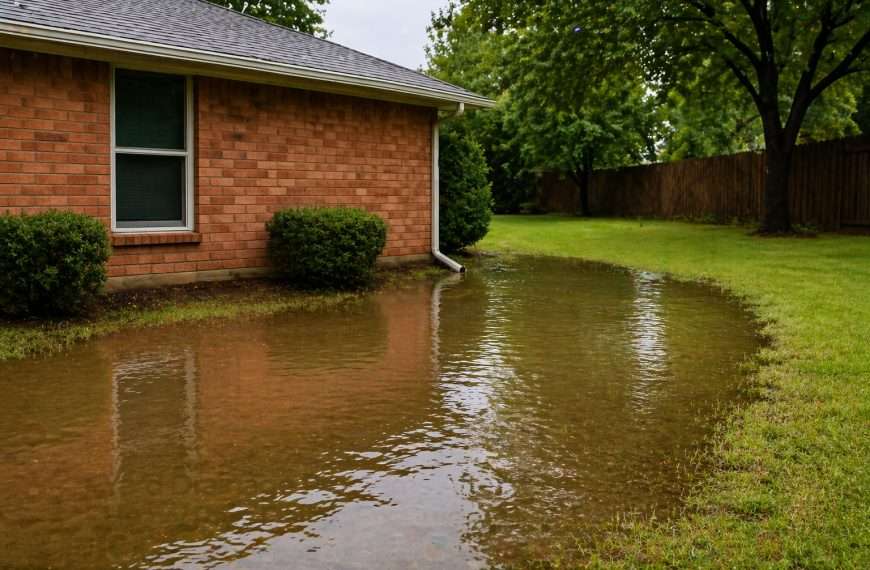
Saturating clay soil before the turf is actively growing keeps roots shallow and creates conditions where fungal issues develop quickly.
North Texas clay doesn’t drain efficiently, and early spring soil temperatures are still cool enough to slow evaporation. Excess moisture in compacted or shaded areas lingers far longer than it would in midsummer.
What to do instead
Start with one irrigation cycle per week and adjust based on what you observe. Let the turf show signs of mild stress before increasing frequency.
Timing and signs to watch
Watch for slight leaf curl or a blue-gray tint in the grass before adding a watering day. That response tells you the lawn actually needs water rather than just receiving it on schedule.
5. Missing the weed prevention window
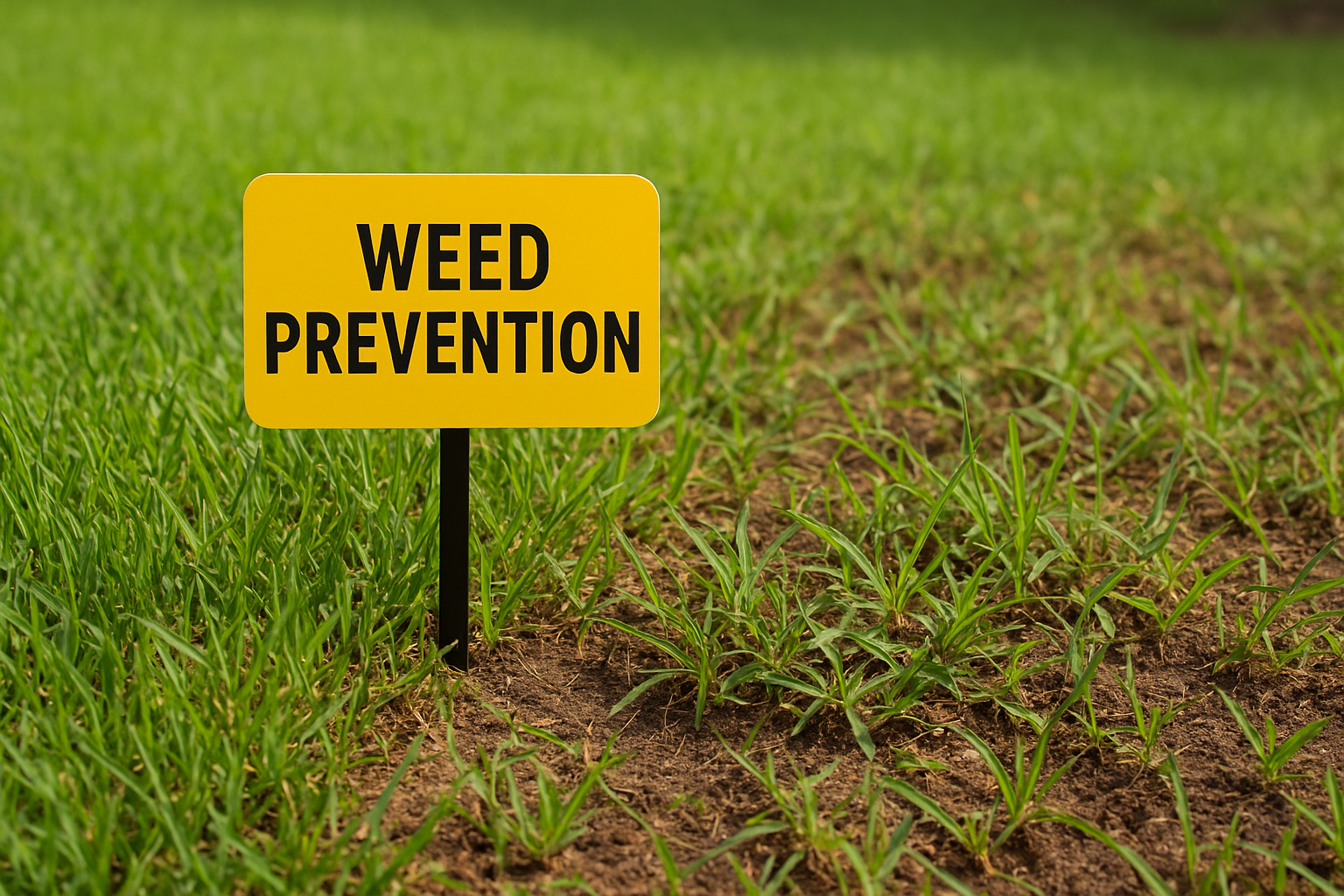
Missing the pre-emergent window is one of the most costly spring lawn mistakes North Texas homeowners make, because the consequences don’t show up until summer when crabgrass and other weeds are already well established. Unlike most spring tasks, weed prevention depends on hitting a narrow soil temperature window before weed seeds germinate.
What it looks like
You plan to apply pre-emergent herbicide but push the task back a few weeks because the lawn looks fine. By the time you act, soil temperatures have already crossed the threshold and weed seeds have started to germinate.
Why it backfires in North Texas
In North Texas, the pre-emergent window closes earlier than most homeowners expect, often before mid-March in warmer years.
Crabgrass and other summer annuals germinate when soil temperatures reach 55°F consistently. North Texas clay heats quickly once March arrives, which means the gap between winter dormancy and active germination is shorter than most homeowners assume.
What to do instead
Apply pre-emergent herbicide when soil temperatures at 2 to 4 inches are approaching 50 to 55°F. This timing puts a reliable barrier in place before germination begins.
Timing and signs to watch
Watch for forsythia bloom or Bradford pear flowering as local indicators that soil temperatures are nearing the threshold. Those visual cues are more accurate than calendar dates in North Texas.
A simple spring plan that holds up in July
The five spring lawn mistakes North Texas homeowners make most often share a common thread: acting on assumptions rather than actual conditions. Every April and May, lawns that look strong heading into summer trace their success back to measured decisions made in March, not aggressive early intervention.
Your spring plan doesn’t need to be complicated. Walk the property first, confirm soil temperatures before fertilizing, hold your mowing height until growth is consistent, scale back irrigation until the turf shows it needs water, and hit the pre-emergent window before it closes. That sequence, done in the right order, builds the foundation your lawn needs to hold up through July and August when North Texas heat becomes the real test.
For homeowners who prefer guidance on when to act, a professional consultation can help avoid costly mistakes. Schedule a consultation with our team to plan your spring work around what your property actually needs.