Timing is everything with pre-emergent herbicides, and in Dallas, the margin for error is narrower than most homeowners realize. Knowing when to apply pre-emergent in Dallas comes down to soil temperatures, not calendar dates alone, and the window shifts enough from year to year that a blanket schedule won’t cut it. Miss that window by even a couple of weeks, and you’re essentially watering in a product that can’t do its job.
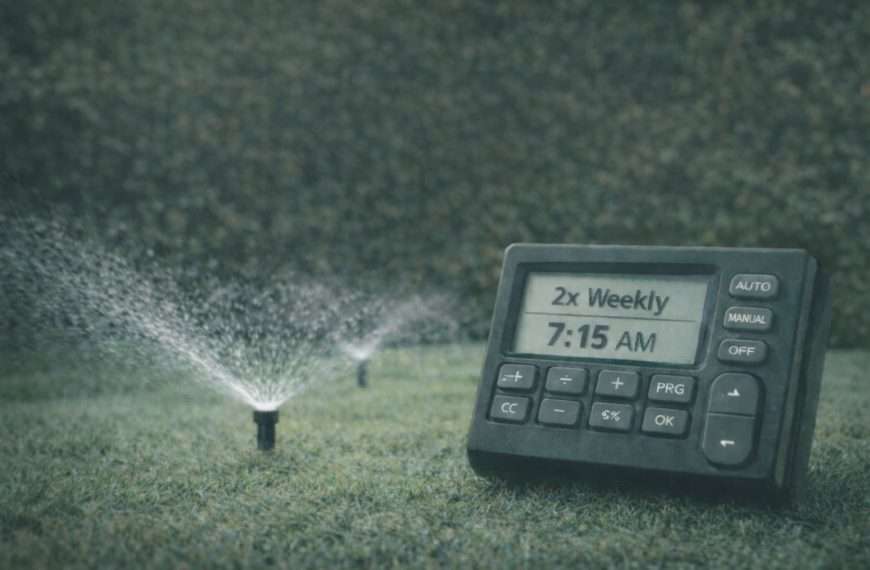
At Greenform Landscapes, we track soil temperatures and seasonal patterns across established Dallas neighborhoods every year, and the timing question is one we field constantly, from Preston Hollow to Lakewood. The short answer: most Dallas properties need two applications per year, one in late winter/early spring and one in early fall. But the specifics matter, and getting them wrong is one of the most common reasons homeowners struggle with crabgrass, rescuegrass, and other seasonal weeds despite doing "everything right."
This guide breaks down the exact soil temperature thresholds, application windows, and product considerations that apply to North Texas lawns, so you can time both rounds correctly and actually get results from the investment.
How pre-emergent works in Dallas lawns
Pre-emergent herbicides don’t kill existing weeds. They form a chemical barrier in the soil that disrupts root and shoot development as weed seeds germinate, preventing them from establishing before you ever see them. Once a weed is visible above ground, the product has no effect on it. This distinction matters because many homeowners apply pre-emergent after they’ve already spotted crabgrass or rescuegrass, which means the application is late and the investment is wasted.
The mechanics of a pre-emergent barrier
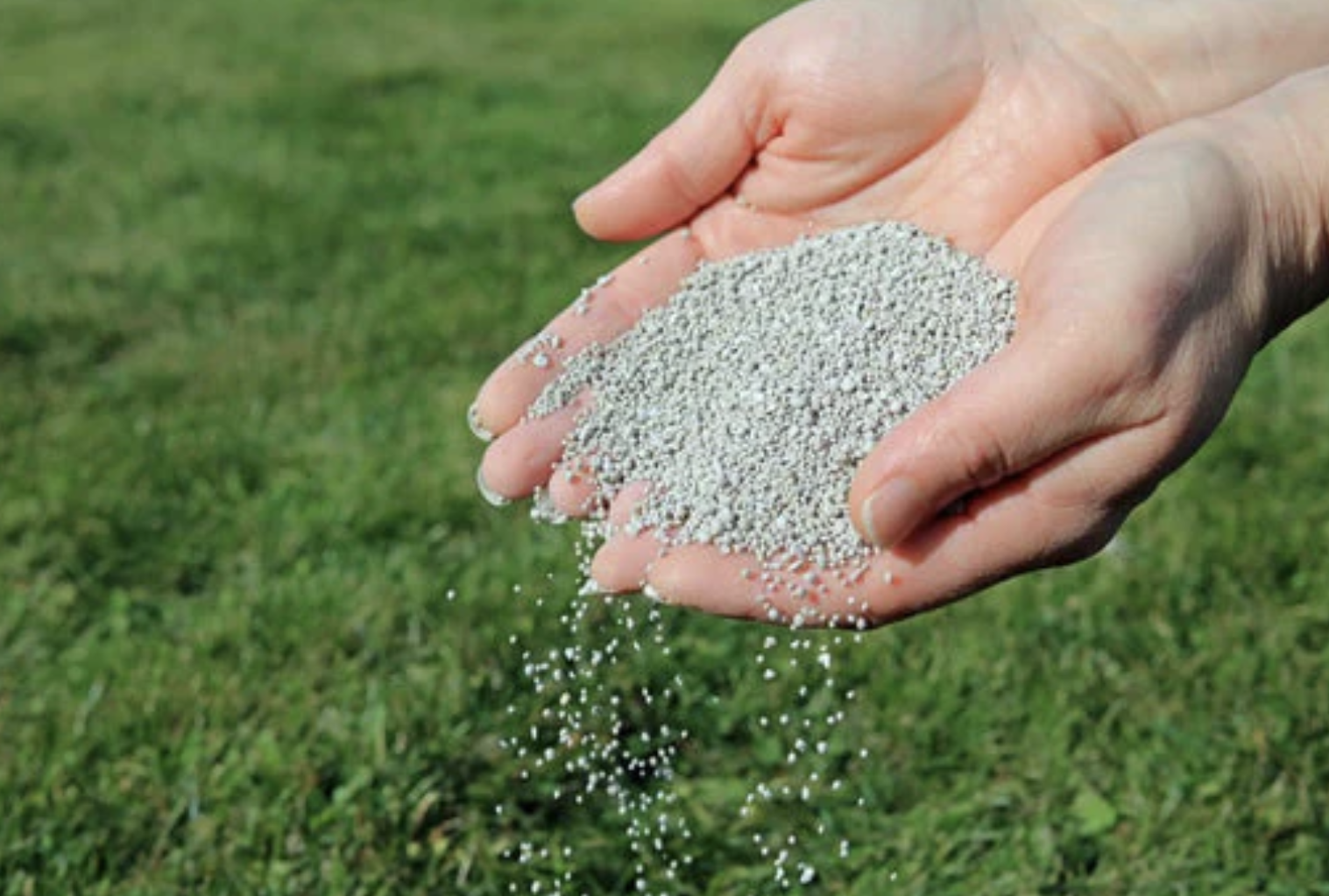
The chemistry works by inhibiting cell division in germinating seeds, targeting the early growth stage when the seedling is most vulnerable. Most granular and liquid pre-emergents used in residential lawns rely on active ingredients such as prodiamine or pendimethalin. When you water in the product after application, it bonds with soil particles and forms a treatment zone, typically in the top one to two inches of soil, where most weed seeds germinate.
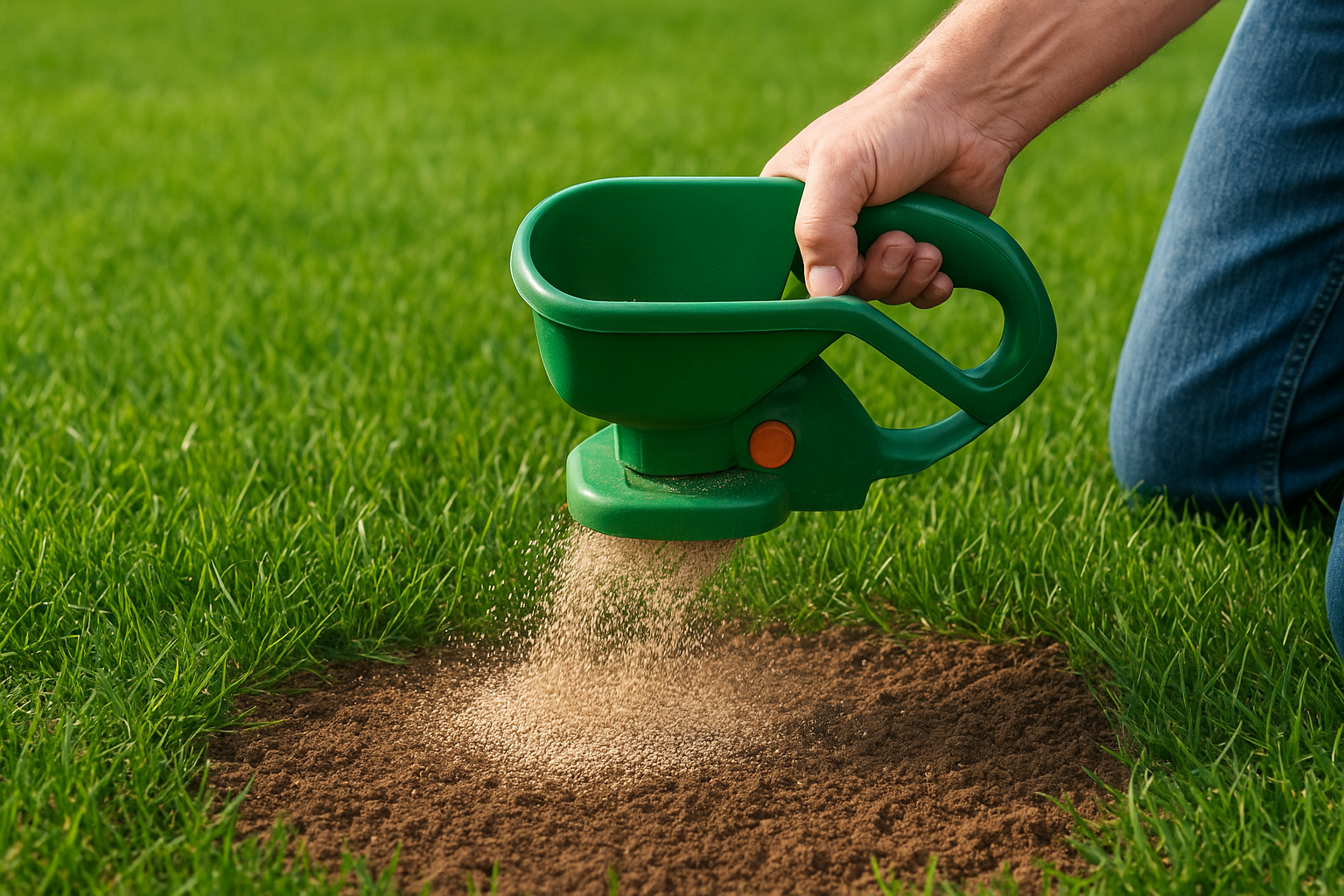
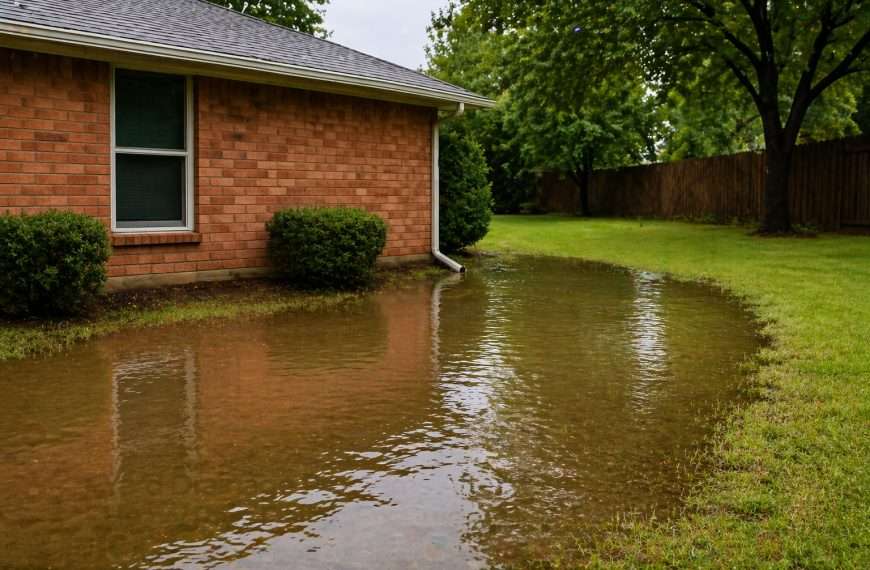
If you skip the watering step or apply before a heavy rain event that carries the product off the lawn, the barrier never fully forms and you lose the application entirely.
Application technique matters as much as timing. A properly activated barrier stays in place for eight to twelve weeks depending on rainfall, irrigation, and soil type. In North Texas clay soils, the product can persist somewhat longer, but breakdown accelerates during periods of heavy rain or repeated irrigation cycles.
Why Dallas conditions change the equation
Dallas lawns face two distinct weed pressure cycles per year: a spring flush driven primarily by summer annuals like crabgrass and spurge, and a fall flush driven by winter annuals like rescuegrass, henbit, and annual bluegrass. Each cycle requires its own application timed to the germination window of the target weeds, which is why understanding when to apply pre-emergent in Dallas means planning both rounds from the start of the year.
The region’s climate adds real complexity. Soil temperatures in Dallas can shift significantly from one February to the next, and a warm stretch in late January can push germination earlier than a fixed-date schedule accounts for. Properties with mature tree canopy, heavy shade, or dense clay layers may hold cooler soil temperatures longer into spring, which shifts the effective application window slightly even within the same neighborhood. Monitoring soil temps at a two-inch depth gives you a far more reliable signal than any date circled on the calendar.
Step 1. Use soil temps, not the calendar
The single most reliable variable for deciding when to apply pre-emergent in Dallas is soil temperature at a two-inch depth, not the date on your phone. Calendar-based schedules are averages built from historical data, and North Texas winters are inconsistent enough that using a fixed date can put you a week or more off target. Soil temperature tells you what the weeds are actually responding to.
Thresholds that trigger germination
Weed seeds don’t follow a schedule. They respond to soil warmth, and each weed type has its own germination threshold. For spring applications targeting crabgrass and summer annuals, you need to apply before soil temperatures reach 55°F consistently at two inches. For fall applications targeting rescuegrass, henbit, and annual bluegrass, apply as temperatures drop back toward 70°F in late summer or early fall.
Applying after soil temps have already crossed these thresholds means weed seeds have already started germinating, and your pre-emergent barrier won’t stop them.
| Target Weeds | Season | Apply When Soil Temp At 2" Is… |
|---|---|---|
| Crabgrass, spurge, summer annuals | Spring | Approaching 55°F (before it holds there) |
| Rescuegrass, henbit, bluegrass | Fall | Dropping back to 70°F |
How to take an accurate reading
You need a probe-style soil thermometer, available at most garden centers, inserted two inches into the ground. Take readings in the morning for the most consistent baseline, since afternoon sun can skew surface readings higher. Check across different areas of your lawn because shaded zones under mature trees often run three to five degrees cooler than open turf, which shifts your timing slightly even within the same property.
Step 2. Time spring pre-emergent in Dallas
Spring timing is the application most Dallas homeowners get wrong, and it’s usually because they rely on a neighbor’s schedule or a nursery flyer instead of watching soil temperatures on their own property. In North Texas, the target window for spring pre-emergent typically falls between late January and mid-March, but the actual date varies by several weeks depending on how winter plays out.
The Dallas Spring Window
Your goal is to get the product down and watered in before soil temps at two inches hold consistently at 55°F. In most years, Dallas soil reaches that threshold somewhere in February, but a warm January can push it earlier. Use the table below as a general reference, and always verify against your own soil readings before committing to an application date.
| Soil Temp at 2" | What It Means | Action |
|---|---|---|
| Below 50°F | Too early; product may break down before germination | Wait and monitor |
| 50-54°F | Approaching threshold; schedule application now | Apply within the week |
| 55°F+ | Germination has likely started | Late; spot-treat visible weeds instead |
Granular formulations need at least a quarter inch of water within 48 hours of application to activate the barrier, so check your irrigation schedule or the forecast before you apply.
Adjusting for Warm Winters
When you’re deciding when to apply pre-emergent in Dallas during a warm-weather year, don’t wait for a traditional February date. Track soil temperatures daily starting in mid-January using your probe thermometer and act when the reading holds near 52-53°F on consecutive mornings. Properties with south-facing turf and minimal shade often warm two to three weeks ahead of shaded areas, so check both zones before scheduling a single application across the full lawn.
Step 3. Time fall pre-emergent in Dallas
Fall timing catches more Dallas homeowners off guard than spring does. The challenge is that North Texas summers run hot well into September, and it can feel too early to think about winter weeds when daytime highs are still in the 90s. But rescuegrass, henbit, and annual bluegrass are already preparing to germinate, and your application window opens before temperatures feel fall-like at all.
The Dallas Fall Window
Your fall pre-emergent target is soil temperatures dropping back through 70°F at a two-inch depth, which in most Dallas years lands somewhere between late August and early October. Apply too early while soils are still running above 75°F and you lose barrier integrity before germination begins. Wait until October in a typical year and rescuegrass has likely already started establishing.
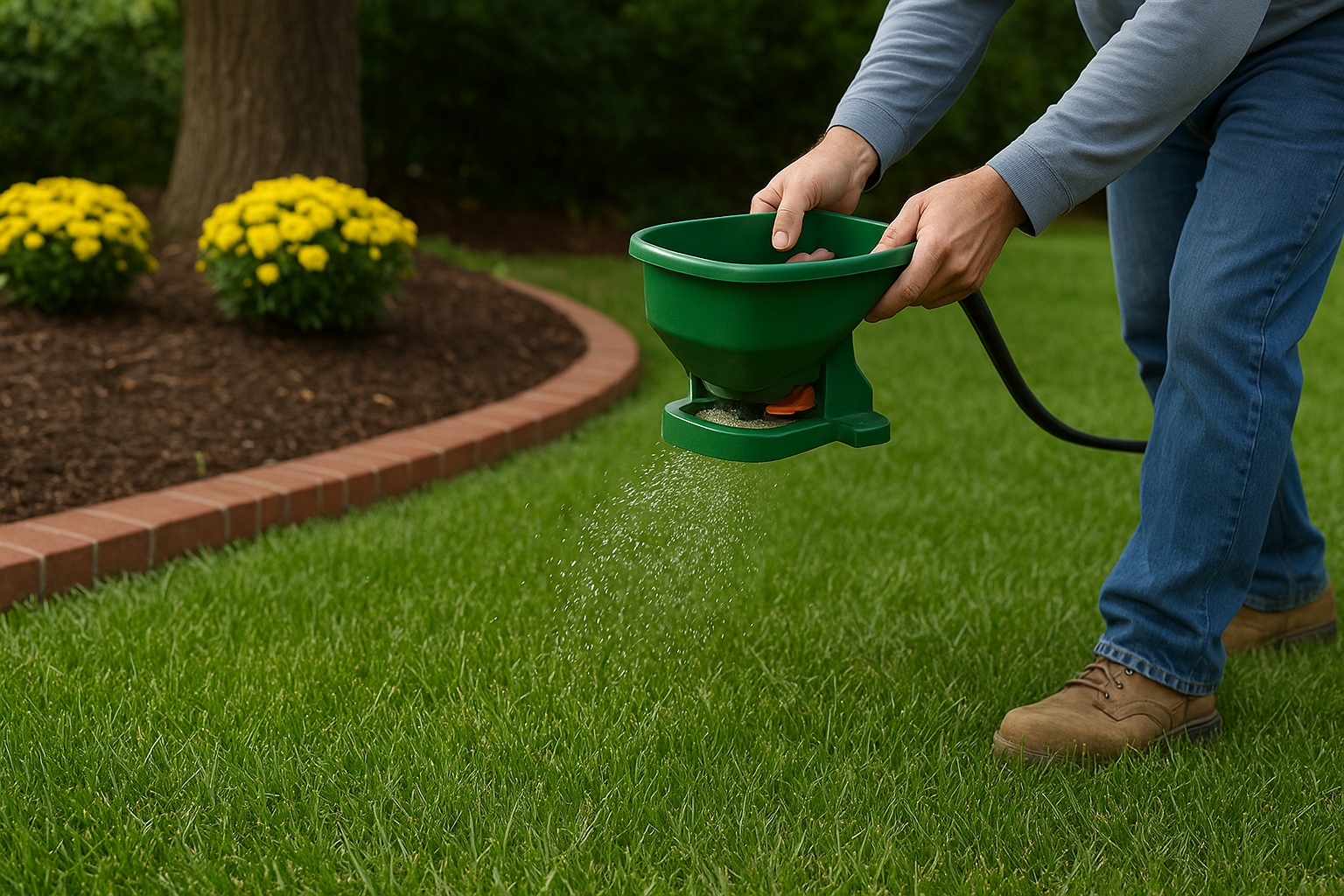
Getting this application down while it still feels like summer is exactly what separates lawns that stay clean through winter from those that need heavy post-emergent work in December.
| Soil Temp at 2" | What It Means | Action |
|---|---|---|
| Above 75°F | Too early; product breaks down before germination | Wait and monitor |
| 70-74°F | Approaching threshold; schedule now | Apply within the week |
| Below 68°F | Late; some germination may have started | Apply and supplement with spot treatment |
Adjusting for Late Heat in North Texas
When deciding when to apply pre-emergent in Dallas during an extended hot summer, don’t anchor your decision to a September date. Monitor soil temperatures daily starting in mid-August and act as readings approach 72°F on consecutive mornings. Shaded beds under mature tree canopy often cool faster than open turf, so check both zones and consider staggering your application if the temperature gap between them is more than three degrees.
Step 4. Apply it correctly and fix common issues
Knowing when to apply pre-emergent in Dallas gets you to the right window, but application technique determines whether the barrier actually forms. Most failed applications trace back to two problems: uneven coverage and skipping the activation step. Both are entirely preventable with a consistent process before and after you spread product.
Getting coverage and activation right
Apply granular pre-emergent with a broadcast or drop spreader calibrated to the product’s label rate, and make two passes in perpendicular directions across the lawn to close any gaps in coverage. After spreading, you need at least a quarter inch of water within 48 hours to push the product into the soil and form the treatment zone. Without that moisture, granules sit on the surface and break down before bonding with soil particles.
If rainfall is forecast within 24 hours and the event looks like more than a half inch, hold off, since a heavy downpour can carry product off the lawn before it bonds.
- Pre-application: Calibrate your spreader rate before each use; settings shift with humidity and product age
- Post-application: Run your irrigation system the same day if no rain is coming within 48 hours
- Shaded zones: Apply and activate separately from open turf when soil temps differ by more than three degrees
Fixing the most common mistakes
Even with solid timing, a few recurring issues undermine Dallas applications. If you applied too late and weeds are already visible, switch to a targeted post-emergent treatment and reset your soil temperature monitoring for the next cycle. If the barrier broke down early after heavy spring rain, a follow-up application at half-rate four to six weeks later can extend your coverage window without overloading the soil.
Quick recap for Dallas homeowners
Deciding when to apply pre-emergent in Dallas comes down to two applications per year, each timed to soil temperature rather than a fixed date. Spring applications go down before soil reaches 55°F at two inches, typically between late January and mid-March depending on the winter. Fall applications target the window when soil drops back through 70°F, usually late August through early October. Both rounds require proper activation with at least a quarter inch of water within 48 hours.
Skip either application or apply at the wrong time, and crabgrass, rescuegrass, and henbit get ahead of you before you can respond. Use a probe thermometer, check readings every morning starting in mid-January and mid-August, and act when temperatures approach your threshold on consecutive days. Getting both rounds right is what keeps Dallas lawns clean season after season without heavy corrective work.
For homeowners who prefer professional support with timing and application, our lawn care services can help align both rounds to your specific property conditions.