Dallas landscapes face extreme heat, periodic drought, and increasingly strict water considerations — making plant selection more important than ever. Texas native plants are uniquely suited to thrive in North Texas conditions, offering long-term beauty, resilience, and reduced maintenance compared to non-native alternatives.
Native plants have adapted over centuries to local soil types, rainfall patterns, and seasonal temperature swings. When incorporated into a thoughtfully planned landscape, they require less supplemental irrigation, establish deeper root systems, and support local pollinators. For homeowners and commercial properties alike, native planting is both a practical and sustainable design choice.
At Greenform Landscapes, we integrate native plants into landscape design and installation projects that balance structure, aesthetics, and long-term performance. When paired with proper soil preparation, irrigation planning, and ongoing lawn and landscape maintenance, native landscapes deliver consistent results without unnecessary inputs or constant intervention.
Best Texas Native Plants for Dallas
1. Texas sage for Dallas yards

Texas sage (Leucophyllum frutescens) tops our list because it handles everything Dallas throws at it. This compact evergreen shrub blooms in purple, pink, or white after summer rains, exactly when most landscapes look worn out. You’ll find mature specimens thriving in parking lot medians and highway dividers, proof that this plant can take serious heat and neglect.
Why it thrives in Dallas heat and clay soils
Texas sage evolved in the Chihuahuan Desert, so Dallas summers feel mild by comparison. Deep taproots pull moisture from lower soil layers that surface irrigation never reaches. Your heavy clay soil doesn’t faze this plant, it actually prefers alkaline conditions and poor drainage that kill most ornamentals. The silver-gray foliage reflects sunlight and reduces water loss, a natural adaptation that keeps the plant compact even during prolonged drought.
Light, soil, and spacing requirements
You need full sun exposure for six or more hours daily to get the best blooms and tightest growth habit. Partial shade produces leggy plants that rarely flower. Texas sage tolerates any soil pH from 6.5 to 8.5 without amendments. Space plants 4 to 5 feet apart for individual specimens or 3 feet apart if you’re building a dense hedge. Avoid planting in low spots where water pools after rain.
Plant Texas sage in the sunniest, driest spot in your yard, and watch it outperform everything else.
Design uses for modern and traditional landscapes
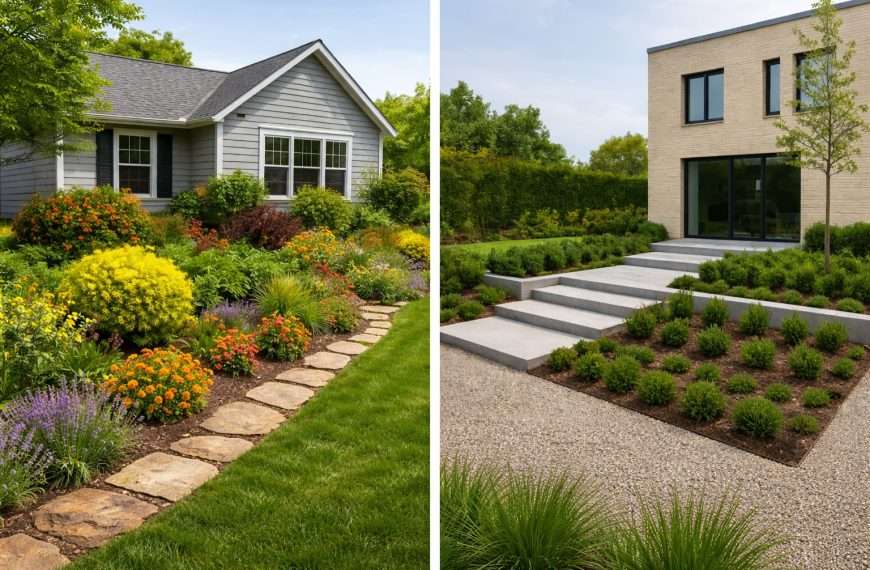
Modern landscapes use Texas sage as blocky foundation plantings or geometric groupings that echo clean architectural lines. Traditional designs rely on it for informal hedges and mixed borders alongside other texas native plants like yucca and ornamental grasses. We’ve installed rows as privacy screens between homes in Highland Park and massed plantings along driveways in Preston Hollow. The silver foliage creates strong contrast against dark brick or stone.
Watering, pruning, and freeze recovery tips
Water once weekly during the first summer after installation, then cut back to monthly deep soaks during extended dry periods. Established plants survive on rainfall alone in most years. Prune lightly in early spring to shape, but avoid heavy shearing that removes flower buds. Hard freezes kill top growth, but plants resprout from the base once soil warms in April.
2. Yaupon holly

Yaupon holly (Ilex vomitoria) gives you evergreen structure and year-round privacy without the water demands of imported hedge species. This native shrub produces dense foliage that stays dark green through summer heat and winter freezes. You’ll see red or orange berries on female plants from fall through spring, adding seasonal interest when most landscapes look dormant.
Why it works as a low-water evergreen in North Texas
Yaupon holly developed across the Gulf Coast and East Texas, making it perfectly adapted to Dallas humidity and temperature swings. Established plants survive on natural rainfall alone after the first year. The thick, waxy leaves reduce water loss and tolerate both heavy clay and sandy soils without special amendments.
Best varieties for screens, hedges, and small spaces
‘Will Fleming’ reaches 15 to 20 feet tall for tall privacy screens. ‘Taylor’s Rudolph’ stays compact at 8 to 10 feet for foundation plantings. Dwarf varieties like ‘Schilling’s Dwarf’ max out at 3 to 4 feet, perfect for tight beds or low borders along walkways.
Light, soil, and spacing requirements
Full sun produces the densest growth and heaviest berry production, though yaupon tolerates partial shade better than most texas native plants. Space standard varieties 6 to 8 feet apart for individual specimens or 4 feet apart for hedges. Any well-drained soil works.
Watering, pruning, and berry considerations
Water every two weeks during the first summer, then switch to monthly deep watering during extended drought. Prune in late winter to maintain size. Only female plants produce berries, and you need one male nearby for pollination.
3. Red yucca

Red yucca (Hesperaloe parviflora) delivers architectural form and seasonal color without weekly watering. This clump-forming perennial sends up coral-red flower stalks from late spring through fall, attracting hummingbirds throughout the blooming period. The narrow, arching leaves create texture contrast against blocky shrubs and smooth hardscapes.
Why it stays tough through drought and summer heat
Red yucca evolved in the Chihuahuan Desert, where rainfall measures less than 12 inches annually. Dallas receives triple that amount, making this one of the most drought-tolerant texas native plants you can install. The thick, fibrous leaves store water and resist wilting even when soil dries completely. Your clay soil won’t cause problems if drainage exists.
Light, soil drainage, and planting depth
You need full sun exposure for reliable blooms and compact growth. Partial shade produces lanky plants that rarely flower. Red yucca tolerates any soil type if water drains within 24 hours after heavy rain. Plant the crown at ground level, never buried, to prevent rot.
Plant red yucca where nothing else survives, and enjoy years of flowers with almost zero maintenance.
Design uses for xeriscapes and accent plantings
Xeriscapes use red yucca as focal points in gravel beds or massed along property lines. We install clusters at driveway entrances and pool decks where spray-resistant plants matter. The spiky form contrasts well with rounded shrubs like Texas sage.
Watering, cleanup, and cold-weather notes
Water monthly during the first summer, then rely on rainfall alone. Trim spent flower stalks at the base. Hard freezes damage foliage but plants rebound in spring.
4. Gulf muhly grass

Gulf muhly grass (Muhlenbergia capillaris) transforms ordinary beds into seasonal showstoppers with minimal effort. This clump-forming ornamental produces pink to purple flower plumes from September through November, creating clouds of color when most landscapes fade. The fine-textured foliage stays green through summer and turns bronze in winter, offering year-round interest that few texas native plants can match.
Why it delivers big impact with little water
Gulf muhly evolved across the Gulf Coast and southern prairies, adapting to sandy soils and irregular rainfall patterns. Established plants survive on 12 to 15 inches of annual rainfall, well below what Dallas receives. The deep root system pulls moisture from lower soil layers while the thin leaves minimize water loss through transpiration.
Light, soil, and spacing requirements
You need full sun exposure for the best bloom production and upright growth habit. Partial shade produces floppy plants that rarely flower heavily. Gulf muhly tolerates any well-drained soil, including sandy beds and amended clay. Space plants 3 to 4 feet apart for individual clumps or 2 feet apart for solid masses.
Design uses for borders, massing, and erosion control
Border plantings work well along driveways and property lines where the flower plumes create soft, billowing edges. Mass plantings on slopes provide erosion control while delivering dramatic fall color. We install groups at mailbox clusters and along fence lines in Lakewood and University Park.
Plant Gulf muhly in mass for maximum fall impact, and watch neighbors stop to ask what creates those pink clouds.
Watering and annual cutback timing
Water every two weeks during the first summer, then rely on rainfall alone. Cut plants back to 6 inches above ground level in late February before new growth emerges.
5. Blackfoot daisy

Blackfoot daisy (Melampodium leucanthum) packs continuous white blooms from April through November in a compact form that works where larger texas native plants won’t fit. This low-growing perennial spreads 6 to 12 inches wide and rarely exceeds 8 inches tall, making it ideal for tight spaces along walkways, between pavers, and in shallow soil pockets. The cheerful white flowers with yellow centers appear daily throughout the growing season.
Why it fits small beds and rock gardens in Dallas
Small beds and rock gardens demand plants that tolerate shallow soil depth and reflected heat from hardscapes. Blackfoot daisy evolved in rocky limestone areas across West Texas, where soil measures only 2 to 4 inches deep in many spots. Your typical planting bed offers luxury conditions by comparison.
Light, soil drainage, and spacing requirements
Full sun exposure produces heavy bloom counts and prevents leggy growth. You need fast-draining soil since even brief water pooling causes root rot. Space plants 8 to 12 inches apart for solid groundcover effect.
Design pairings for long-season color
Pair blackfoot daisy with red yucca and Gulf muhly grass for height variation and color contrast. The low white blooms create a foreground layer that highlights taller specimens behind.
Plant blackfoot daisy in rock gardens and gravel beds where its delicate blooms soften hard edges.
Watering, deadheading, and replacement timing
Water weekly during the first six weeks, then switch to rainfall alone. No deadheading needed. Replace plants every two to three years as vigor declines.
Irrigation Considerations for Texas Native Plants

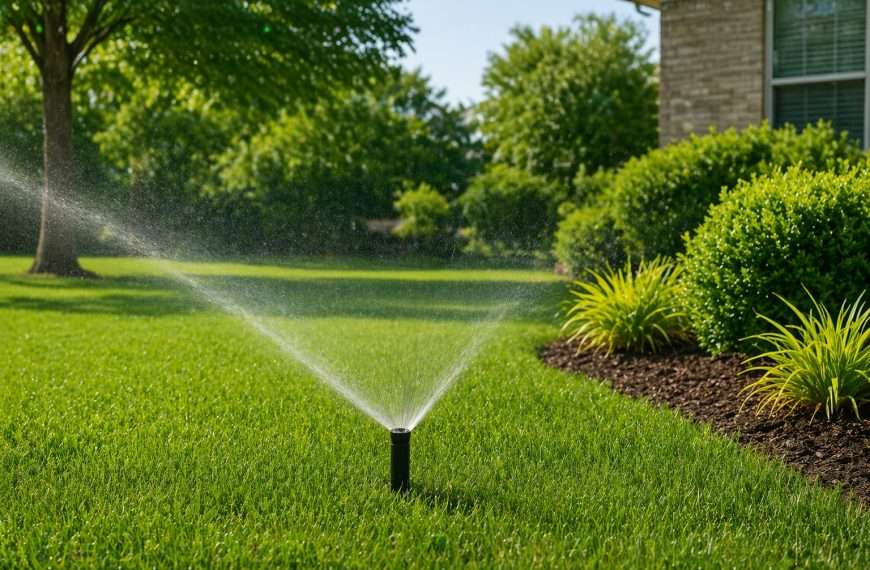
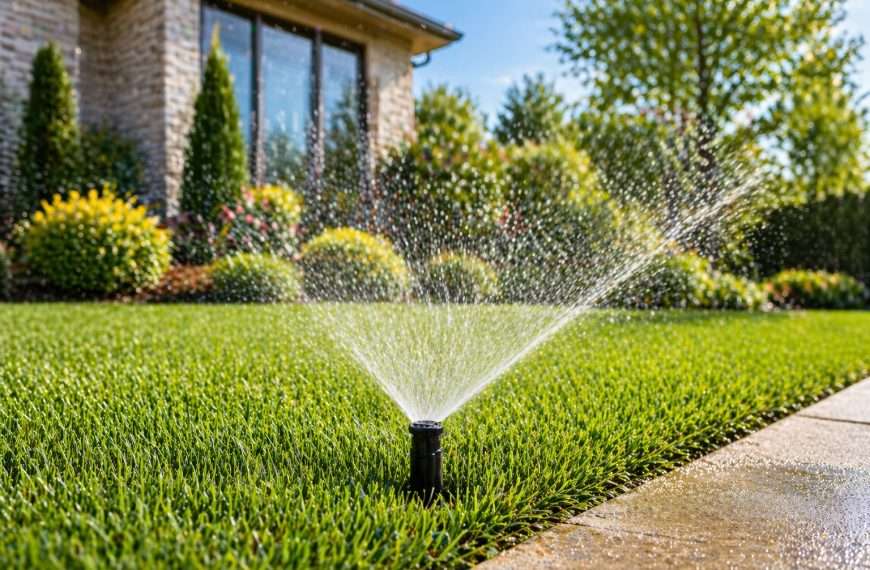
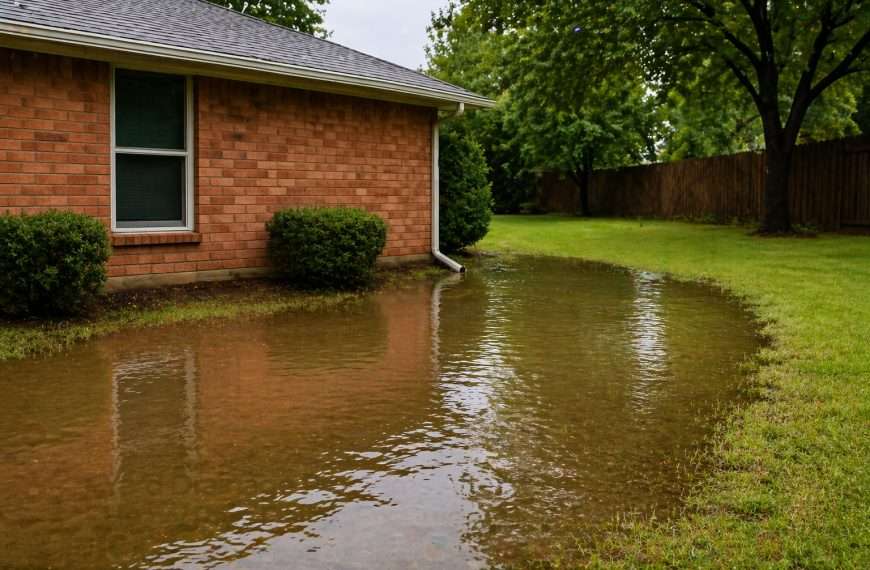
Even the most drought-tolerant Texas native plants benefit from properly designed irrigation and drainage systems, particularly during the establishment phase and extended dry periods. Thoughtful irrigation planning ensures water is delivered efficiently to root zones without overspray, runoff, or waste.
In North Texas landscapes, the right system supports healthier plant growth, prevents soil erosion, and protects long-term landscape investment while remaining compliant with local watering guidelines.
Next steps for a water-wise Dallas yard
You now have five proven texas native plants that thrive in Dallas without weekly irrigation. Each species on this list handles clay soil, summer heat, and drought conditions that kill imported ornamentals. Your water bills drop, maintenance time decreases, and your landscape looks better year-round.
Start with one or two species that fit your available space and design style. Texas sage works in almost any location, while blackfoot daisy fills tight spots that larger plants can’t handle. Mix multiple natives together for layered textures and extended bloom periods throughout the growing season.
Greenform Landscapes designs and installs low-water native landscapes throughout Highland Park, Preston Hollow, Lakewood, and surrounding Dallas neighborhoods. Our team selects the right plants for your specific soil conditions and exposure, then handles professional installation and establishment care. Request a consultation to explore how native plants can transform your outdoor space.